
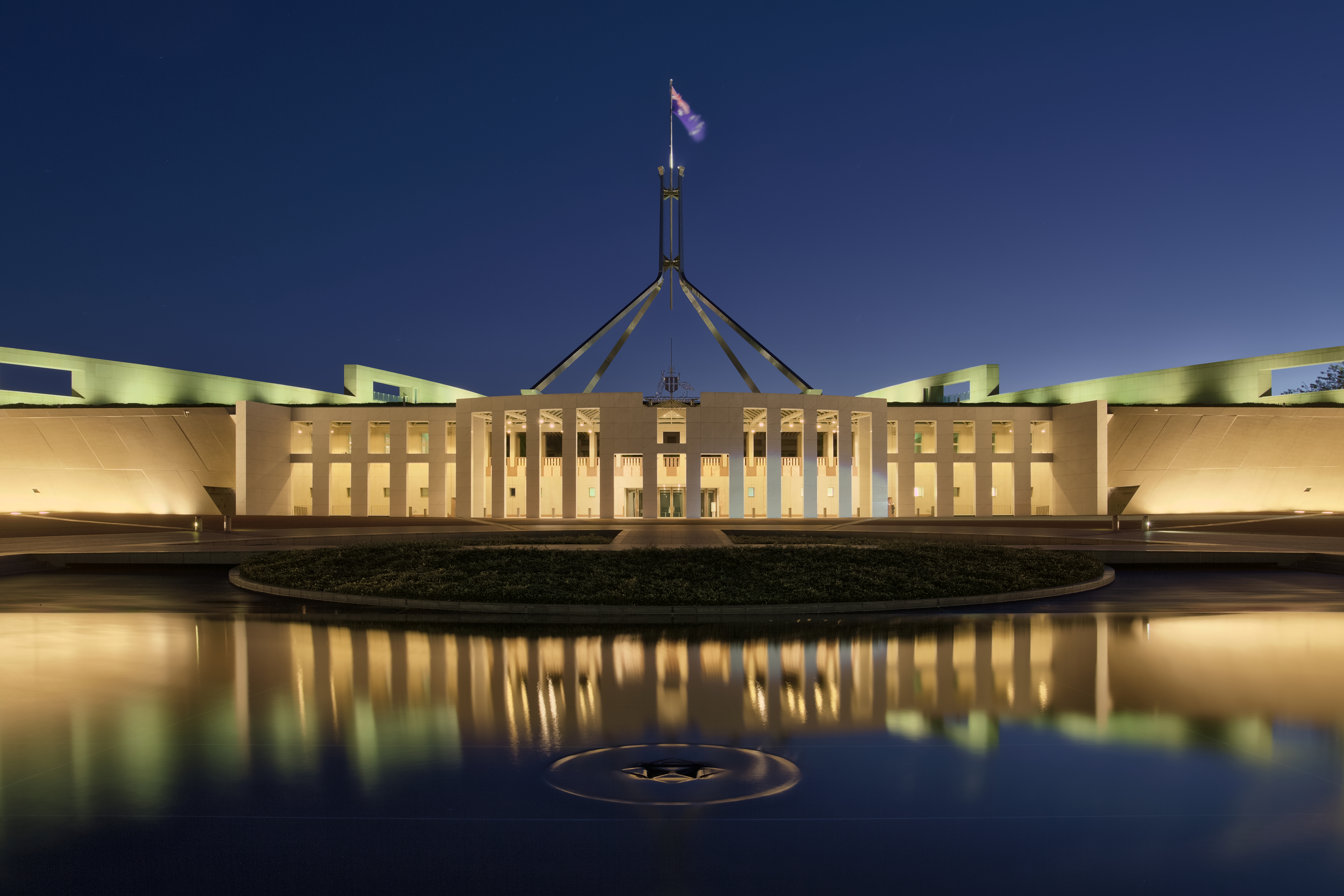
Australia is assessing its readiness for the artificial intelligence transformation to determine how much bargaining power the nation retains over its economy [1].
This evaluation is critical because the shift toward AI affects not only economic productivity but also the fundamental culture and society of the country. Without a strategic approach, Australia risks losing sovereignty to foreign technology providers.
Johanna Weaver, executive director of the Tech Policy Design Institute, said the nation's AI readiness and the potential of an AI agency tool on June 13, 2026 [1, 2]. Weaver said the country possesses significant potential to influence the AI transition despite existing critical gaps [2].
The discussion centers on how Australia can utilize its strategic assets to maintain a level of autonomy. This involves identifying specific areas where the nation can exert influence to ensure the AI transformation aligns with domestic interests [1].
Recent activity in the sector highlights the global nature of these technologies. For example, Microsoft scheduled an AI tour stop in Sydney on April 23, 2026 [3]. Such events underscore the continuous influx of international tech infrastructure into the Australian market.
A report detailing Australia's AI potential was published on June 13, 2026 [2]. The findings suggest that while gaps exist, they are not insurmountable if the government and private sector coordinate their efforts to build sovereign capabilities [2].
Weaver said the goal is to ensure Australia is not merely a consumer of AI tools but a participant in shaping the frameworks that govern them [1]. This approach would allow the nation to negotiate better terms, and protections, for its citizens and industries [1].
“Australia is assessing its readiness for the artificial intelligence transformation.”
Australia's focus on 'AI sovereignty' suggests a shift from passive adoption to active strategic management. By identifying specific gaps and leveraging an AI agency tool, the government aims to prevent total dependency on a few global tech giants, potentially creating a blueprint for other mid-sized economies to maintain cultural and economic autonomy during the AI era.


