Australian core consumer price inflation slowed during the June quarter and fell below analysts' forecasts [1].
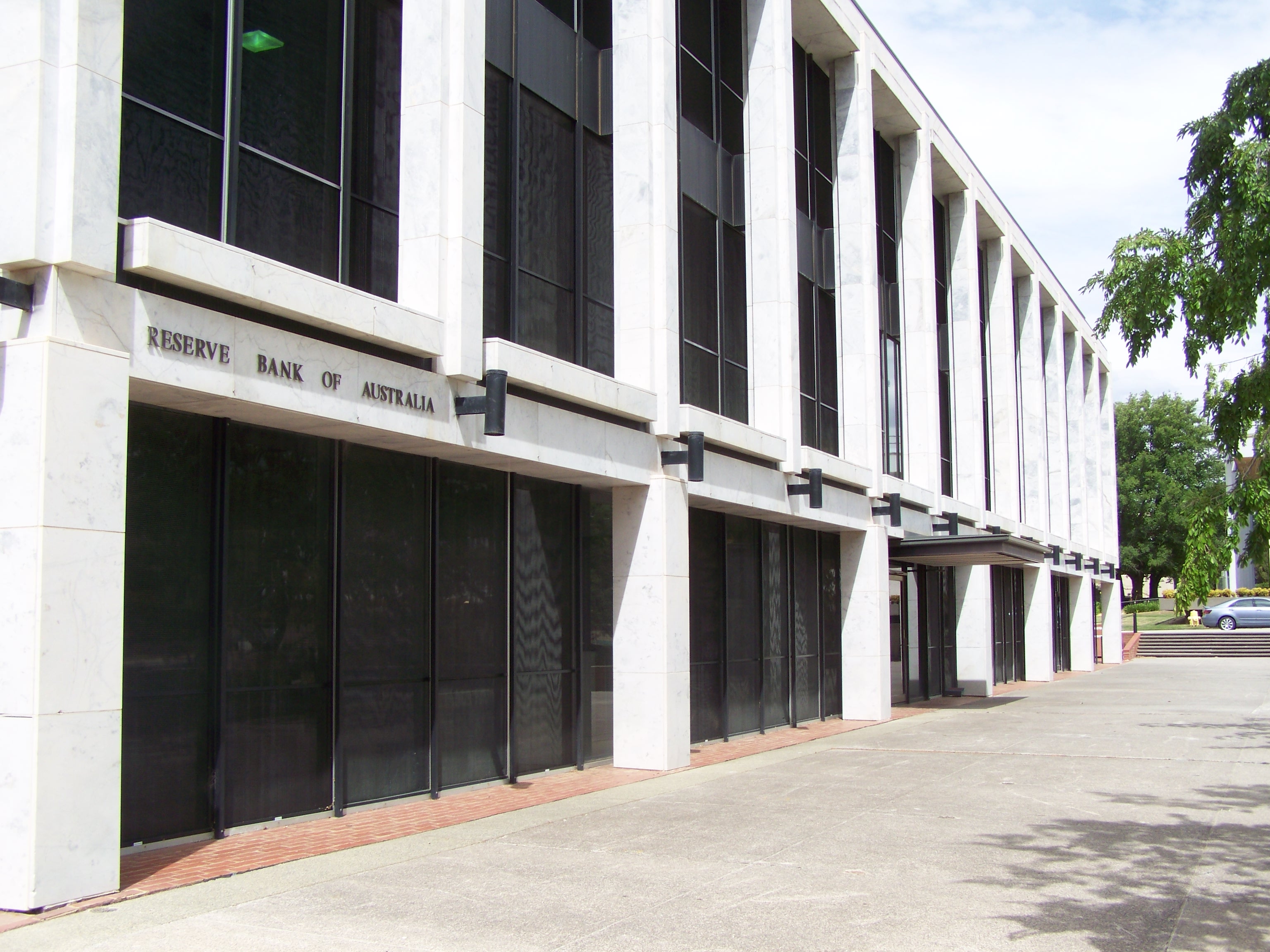
The data suggests a cooling economy, which may prevent the Reserve Bank of Australia from implementing additional interest-rate hikes to curb spending.
Market expectations for further rate increases shifted following the release of the data on Wednesday [1]. The decline in core inflation reflects a broader easing of price pressures across the Australian economy during the second quarter of 2026 [1].
Several factors contributed to the lower-than-expected figures. Easing fuel costs played a primary role in lowering the overall inflation rate [1]. Additionally, other input-price pressures have begun to subside, reducing the cost of goods, and services for consumers [1].
While the Reserve Bank of Australia has not issued a formal statement on the specific data release, the trend indicates a potential pause in the tightening of monetary policy. The central bank typically raises rates to combat high inflation, but the recent undershoot provides a buffer against further hikes [1].
Economists monitor these core figures closely because they strip out volatile items, such as seasonal food and energy prices, to provide a clearer view of long-term inflation trends [1]. The June quarter results suggest that the aggressive rate cycles of previous periods may be achieving their intended effect on the domestic market [1].
“Australian core consumer price inflation slowed during the June quarter and fell below analysts' forecasts.”
The undershooting of inflation forecasts reduces the immediate pressure on the Reserve Bank of Australia to raise borrowing costs. This provides temporary relief for consumers and businesses facing high debt loads, as the central bank may now prioritize economic stability over further aggressive rate hikes to meet its inflation target.


