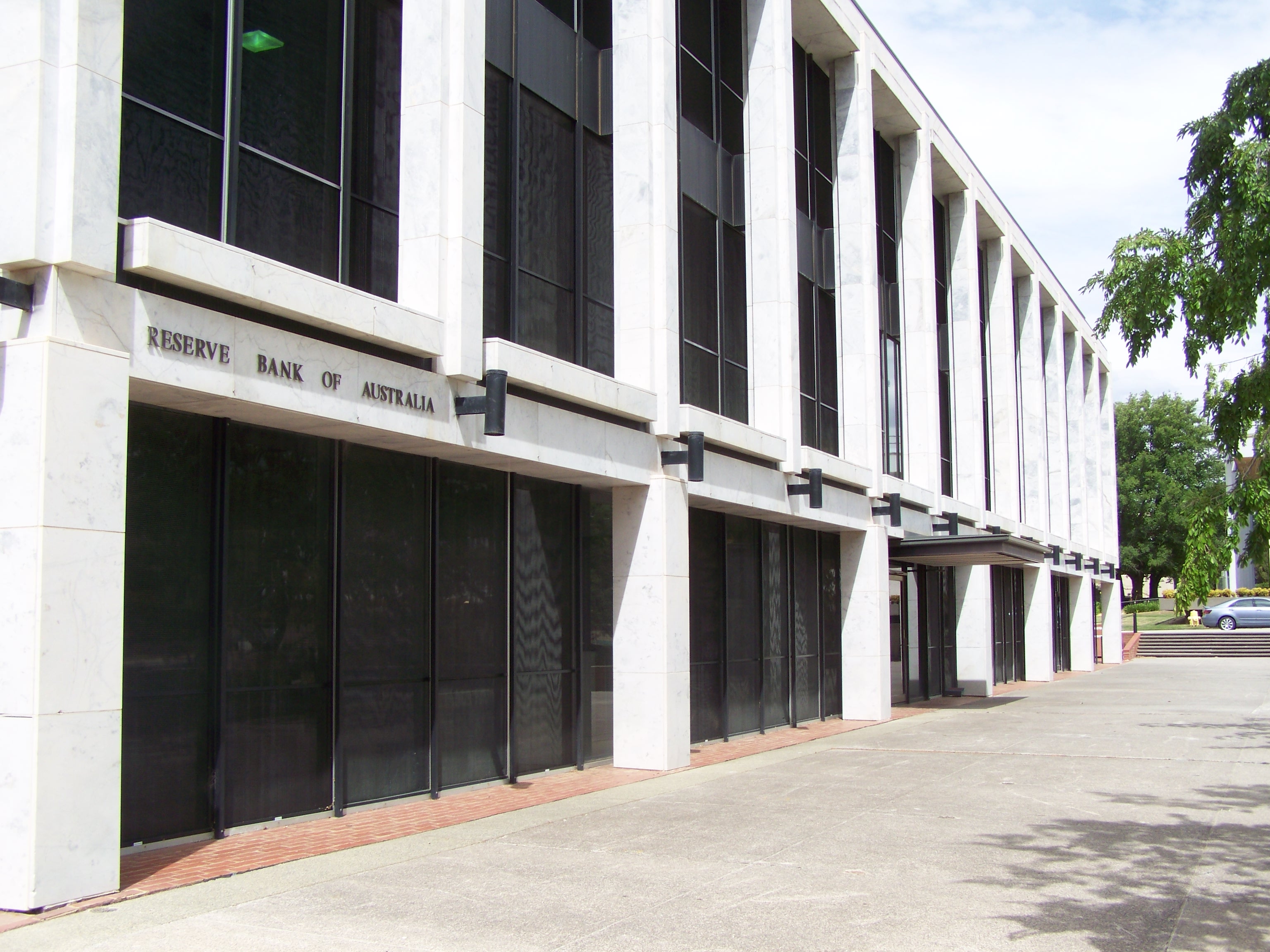
Australia's headline inflation fell to 4.0% while underlying inflation rose to 3.6%, creating a complex challenge for the Reserve Bank of Australia [1].
This divergence is significant because it suggests that while overall prices are slowing, the core drivers of inflation remain stubborn. This trend separates Australia from other developed economies, potentially forcing the central bank to maintain higher interest rates for longer to stabilize the economy.
Adam Creighton, chief economist at the Institute of Public Affairs, said the current data puts the central bank in a very difficult position. He said that the underlying inflation rose from 3.4% to 3.6% [2], while the headline figure fell from 4.2% to 4.0% [2].
Creighton said that Australia is currently bucking the global trend regarding price stability. He said Australia is pretty much the only developed country where the inflation rate is increasing [1].
The gap between headline and underlying figures often indicates that volatile items, such as energy or food, are dropping, but the broader cost of services and labor continues to climb. This internal pressure complicates the Reserve Bank of Australia's ability to signal a pivot toward lower rates.
Economists monitor these figures to determine if the current monetary policy is effectively cooling the economy. The rise in underlying inflation suggests that the battle against price increases is not yet won, despite the superficial drop in the headline number [3].
“Australia is pretty much the only developed country where the inflation rate is increasing.”
The divergence between headline and underlying inflation indicates that the core of Australia's economy is still experiencing price growth even as external shocks fade. Because this trend contradicts the trajectory of other developed nations, the Reserve Bank of Australia may be unable to follow global trends toward interest rate cuts without risking a resurgence of domestic inflation.


