The Australian Labor government and the Greens reached a deal Tuesday to pass controversial budget tax reforms [1].
The agreement is significant because it allows the government to implement sweeping changes to capital gains tax and negative gearing, policies that have faced intense political scrutiny.
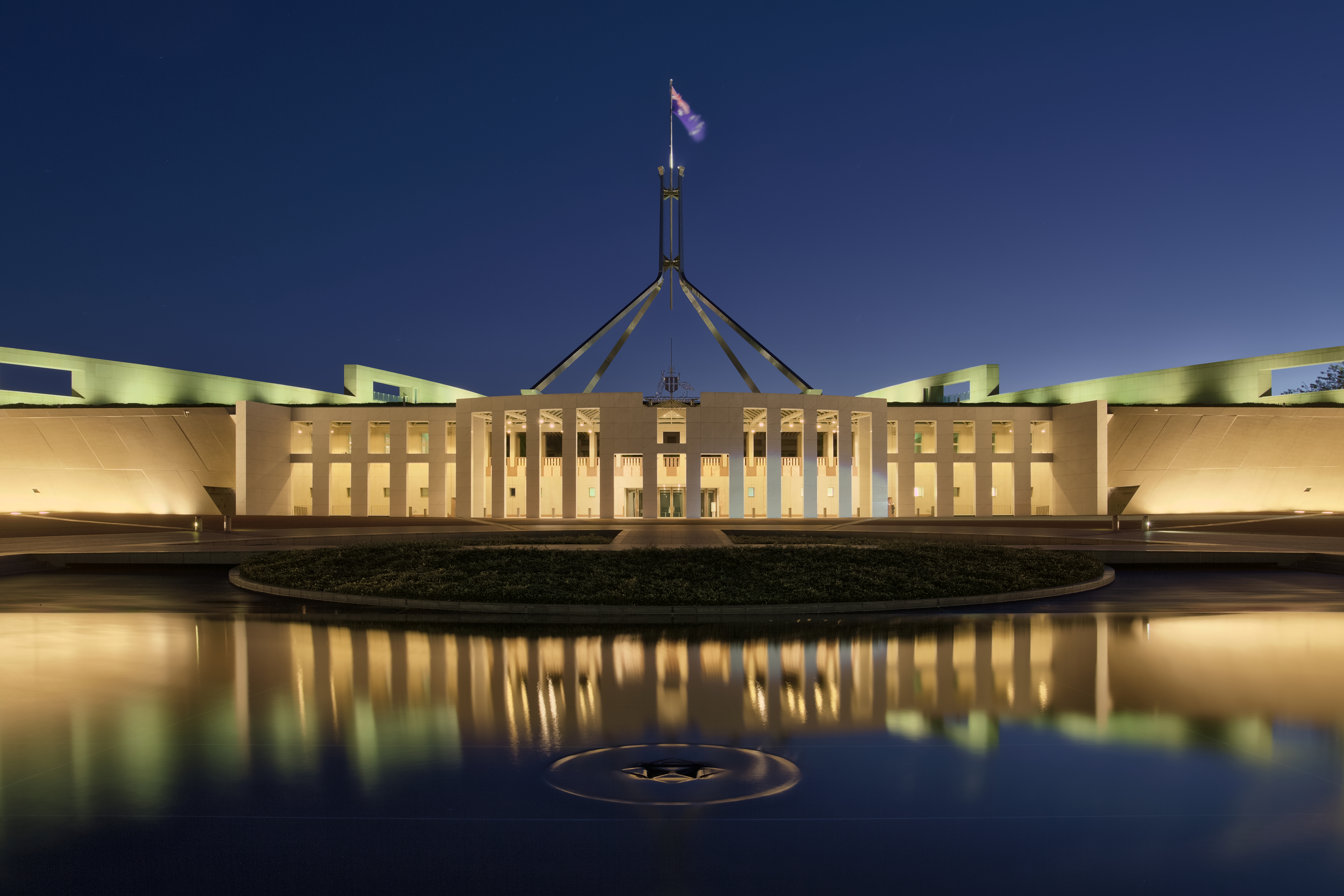
Negotiations concluded in Canberra on June 23, 2026 [1]. The deal ensures that Labor's budget reforms will move forward in Parliament House, as the government required the support of the Greens to secure a majority for the legislation [2].
Key components of the reform package include modifications to the capital gains tax, and negative gearing systems [1]. Additionally, the agreement addresses the self-managed super fund loophole, closing a gap that has previously allowed certain investors to avoid higher taxes [3].
To secure the support of Senator Nick McKim and the Greens, the Labor government provided specific concessions [2]. These include changes to superannuation policy, and an extension to the National Disability Insurance Scheme (NDIS) inquiry [2].
These tax changes target high-wealth investment strategies that have historically lowered the tax burden for property owners [1]. By closing the self-managed super fund loophole, the government aims to increase tax transparency, and fairness within the retirement savings system [3].
The deal represents a strategic compromise for the Labor government, which had struggled to pass these specific budget measures without the backing of the Greens [2].
“The deal ensures that Labor's budget reforms will move forward in Parliament House.”
This agreement signals a shift in Australian fiscal policy by targeting long-standing tax advantages for property investors. By trading NDIS inquiry extensions and superannuation concessions for tax reform support, the Greens have leveraged their balance-of-power position to influence social spending and retirement policy while enabling a more aggressive tax regime on capital gains.