The Australian federal government faces accusations of misleading the public by framing National Disability Insurance Scheme (NDIS) budget cuts as a fraud crackdown.
This dispute centers on whether the government is prioritizing fiscal savings over the welfare of disability participants. If the reforms are designed to slash packages rather than eliminate fraud, thousands of vulnerable citizens may lose essential support services.
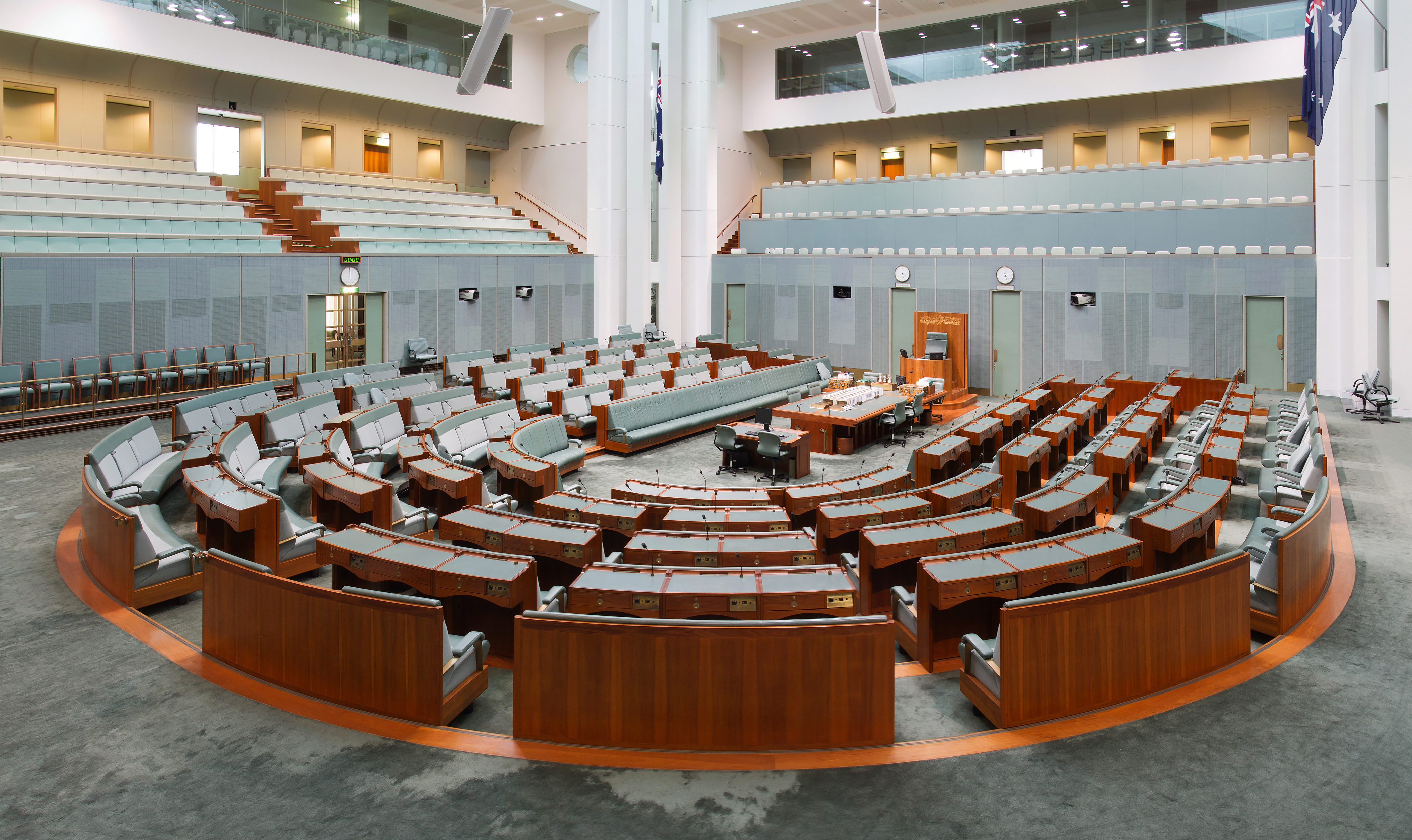
During a Senate hearing in 2024, Greens MP Jordon Steele-John said the government is presenting the reforms as a measure to stop fraud while actually seeking to reduce participant plans to achieve budget goals. The NDIS is currently valued at $50 billion [1].
Opponents of the current strategy argue that the primary objective is to secure up to $36 billion in budget savings [2]. David Pearl, a former treasury official, said Labor is using NDIS reforms to conceal budget strains [3].
NDIS Minister Jenny McAllister defended the government's position. McAllister said the changes are about making the scheme sustainable and protecting participants, rather than being a fraud crackdown.
Critics maintain that the narrative of sustainability is a cover for billions of dollars in cuts [1]. The tension between the government's sustainability goals and the participants' need for consistent funding remains a central point of contention in the Australian Senate.
“Labor is using NDIS reforms to conceal budget strains.”
This conflict highlights a growing tension in Australian social policy between the fiscal sustainability of massive entitlement programs and the legal obligations to provide guaranteed care. By framing cuts as a fight against fraud, the government attempts to maintain public support for austerity measures that would otherwise be politically unpopular among disability advocates.