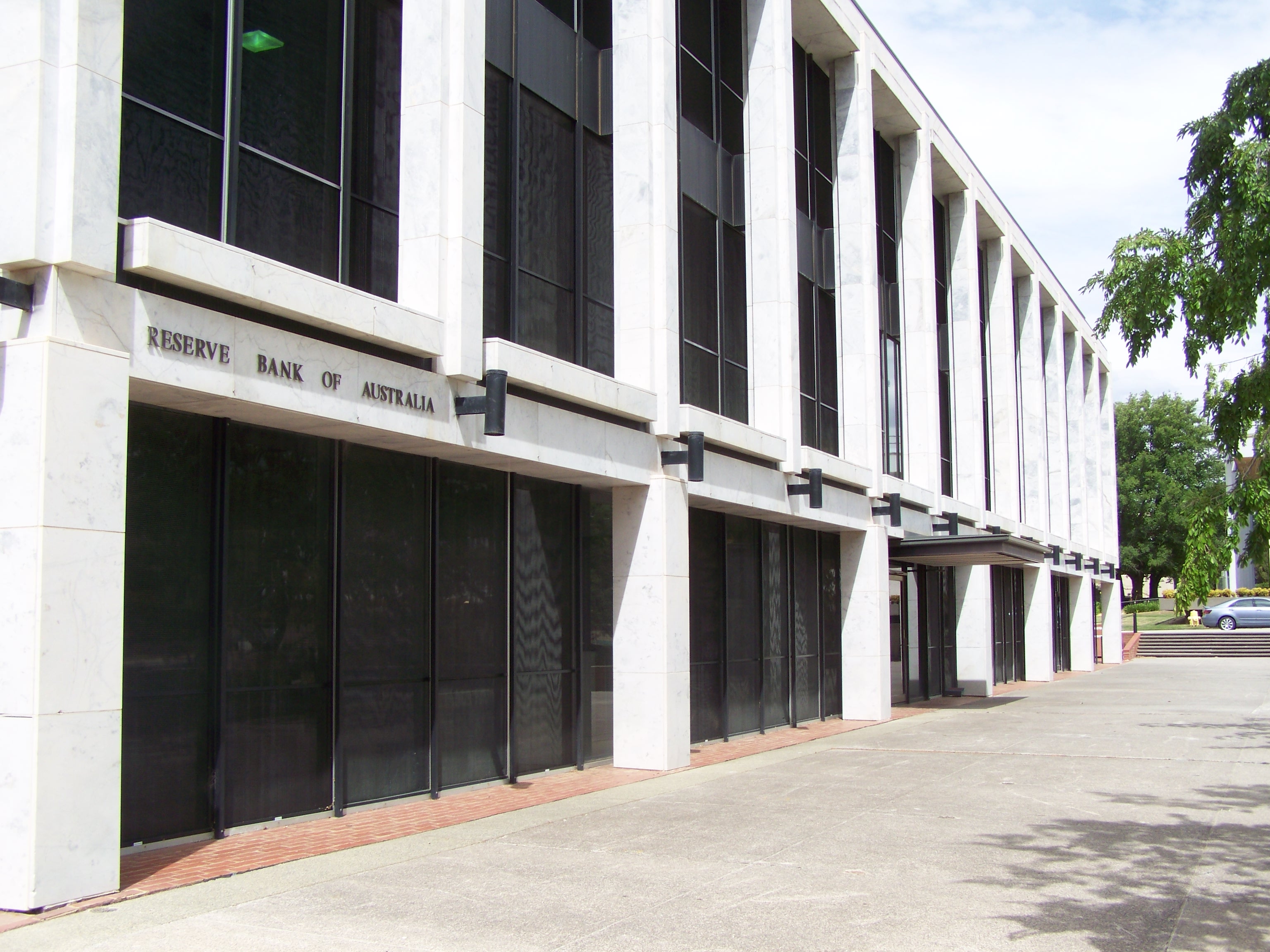
Australia has recorded the highest core inflation rate of all but one member of the Organisation for Economic Co-operation and Development [1].
This positioning suggests that Australia is struggling with persistent price pressures more than nearly all other advanced economies. The disparity highlights a potential gap between the Reserve Bank of Australia's monetary policy and the aggressive actions taken by other global central banks.
Independent economist Saul Eslake said the nation has seen the highest core inflation rate of all but one of the OECD members [1]. Eslake said this outcome was due to the Reserve Bank of Australia's conscious choice to tolerate higher inflation for a longer period [1].
According to Eslake, the Reserve Bank did not raise its interest rate as much as its counterparts in Canada, New Zealand, the UK, and the U.S. [1]. This less aggressive approach to tightening monetary policy is viewed as a primary driver for the elevated inflation levels relative to peer nations [1].
Recent data indicates that core inflation hit an annual rate of 3.3% in April [2]. While some reports suggest a three-and-a-half-year low in May, the comparative standing among OECD members remains a point of contention among economists [1].
The RBA's strategy of gradualism aimed to balance inflation control with economic growth. However, the resulting core inflation rate suggests that the pace of rate increases may have lagged behind the needs of the economy when compared to the more rapid responses seen in the U.S. and UK [1].
“Australia has had the highest core inflation rate of all but one of the OECD members.”
The gap between Australia's inflation rate and those of other OECD nations underscores a divergence in central bank philosophy. By prioritizing a slower rate of interest increases to protect short-term economic stability, the Reserve Bank of Australia may have allowed core inflation to become more entrenched than in countries that pursued aggressive, front-loaded hikes.


