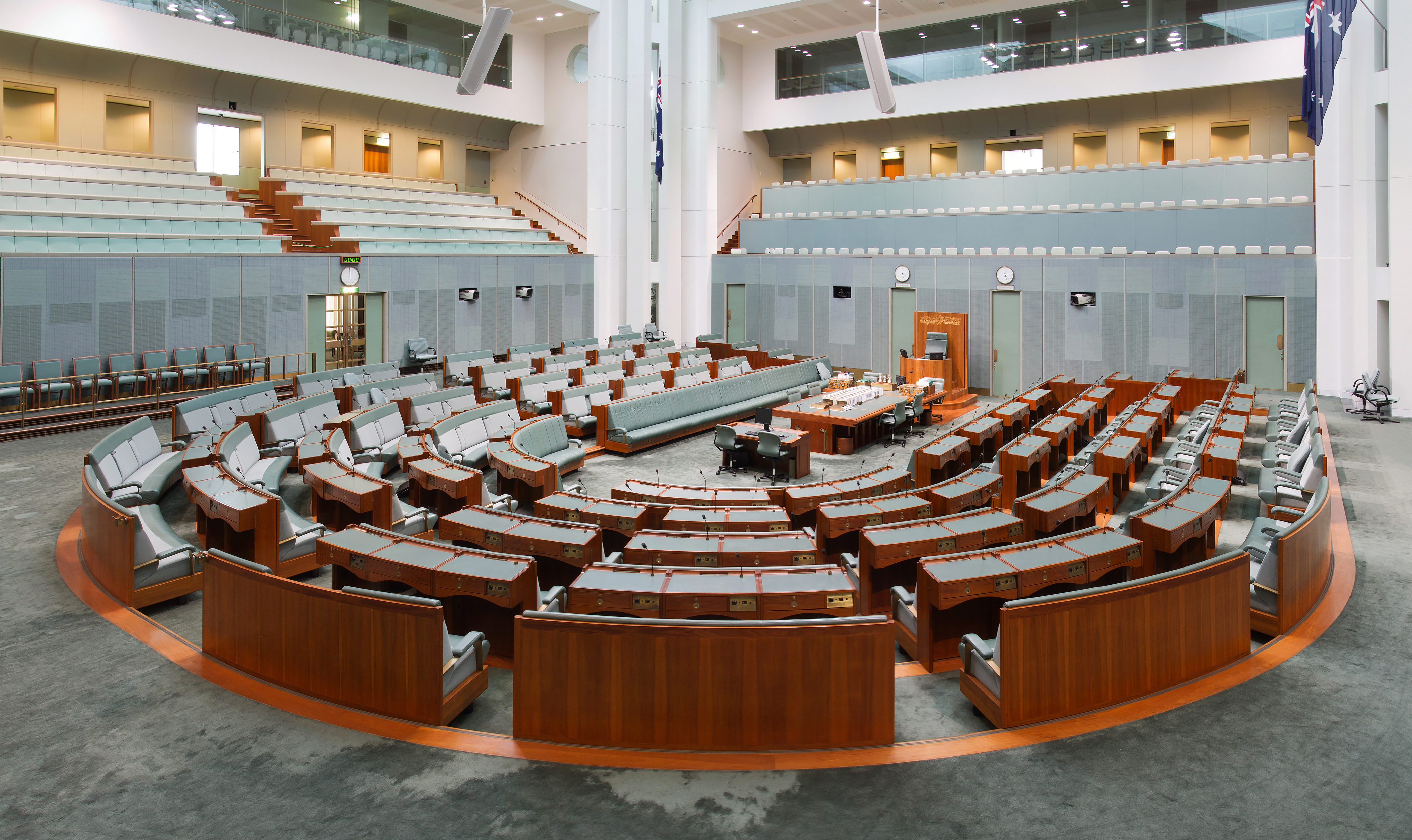
The Australian House of Representatives passed controversial reforms to capital gains tax and negative gearing on Thursday [1, 2].
These measures represent a significant shift in Australia's fiscal policy, targeting the tax advantages often used by property investors. The government argues that these changes are necessary to improve housing affordability for first-time buyers and to increase national revenue [1].
The legislation, championed by the Labor Party, aims to curb the practice of negative gearing, where investors claim losses on rental properties against other income to reduce their tax liability [1, 2]. By reforming capital gains tax, the government seeks to discourage speculative investment in the residential property market, a move that has sparked intense debate among economists and homeowners.
Opponents of the bill argue that the changes could lead to a decrease in rental supply or a spike in rents as landlords pass on the costs to tenants [2]. Despite these concerns, the lower house approved the measures, marking the first major legislative hurdle in the reform process [1].
The bill now moves to the Senate, where the Labor government will need to secure enough support to pass the legislation into law. The outcome of the Senate vote will determine if the government can successfully implement its strategy to redistribute wealth and stabilize the housing market [1].
Government representatives said the reforms are a critical step toward a fairer tax system. The administration maintains that the current laws provide an unfair advantage to wealthy investors over those attempting to purchase a primary residence [1].
“The Australian House of Representatives passed controversial reforms to capital gains tax and negative gearing on Thursday.”
The passage of these reforms in the lower house signals the Labor government's commitment to tackling the Australian housing crisis through tax intervention. If the measures pass the Senate, it could reduce the incentive for investors to hoard residential properties, potentially lowering the barrier to entry for homeowners while shifting the tax burden toward high-wealth asset holders.