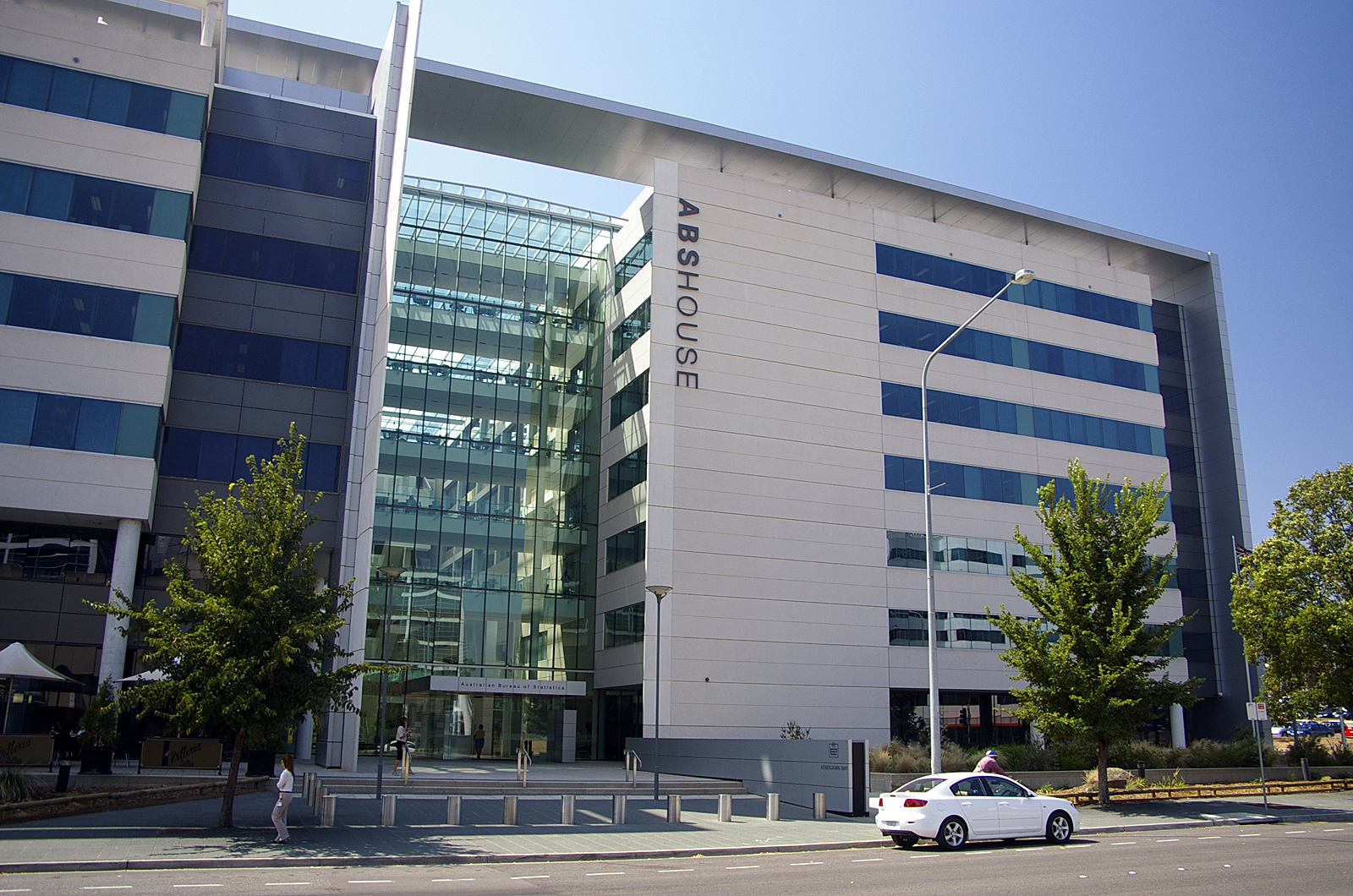
Australia's unemployment rate fell to 4.4% in May 2026, down from 4.5% in April [1, 2].
This dip suggests a rebound in the national labor market that aligns with previous market expectations. The shift reflects a complex balance between a growing number of employed citizens and a decrease in the actual time those workers spend on the job.
Data from the Australian Bureau of Statistics shows that the economy added 40,000 jobs during the month of May [3]. This growth was driven largely by a surge in part-time employment [4]. While more people found work, the overall labor intensity shifted, and average weekly hours worked saw a decline [4, 5].
The increase in part-time roles indicates that while the jobless rate is slipping, the nature of the available work is shifting toward more flexible or shorter-term arrangements. This trend occurs as the broader economy attempts to maintain employment levels despite fluctuating demand for full-time labor.
Economists said that the 4.4% figure [1] represents a modest recovery from the previous month. The addition of 40,000 positions [3] helps offset recent volatility in the hiring market, though the drop in weekly hours suggests that employers may be cautious about increasing total labor costs.
The Australian Bureau of Statistics continues to monitor these trends to determine if the rise in part-time work is a temporary spike or a long-term structural change in the workforce. For now, the decrease in the unemployment rate indicates a tightening labor market that could influence future economic policy decisions.
“Australia's unemployment rate fell to 4.4% in May 2026, down from 4.5% in April.”
The divergence between a falling unemployment rate and declining average weekly hours suggests a 'softening' of employment quality. While more people are technically employed, the shift toward part-time work and fewer hours per person indicates that labor demand is not strong enough to support a return to full-time growth, potentially signaling a cautious approach from employers.