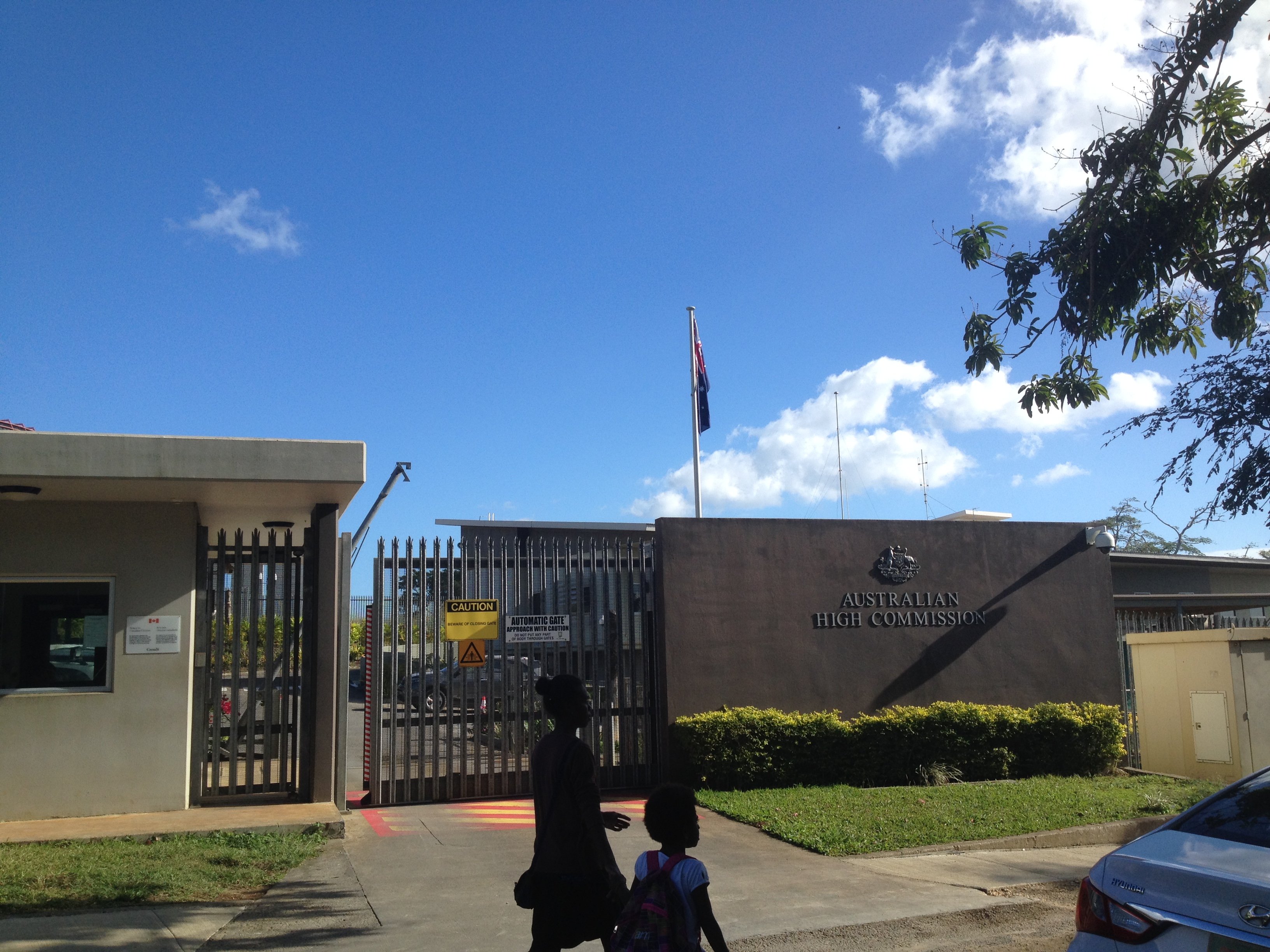
Australian Prime Minister Anthony Albanese and Vanuatu Prime Minister Jotham Napat signed a landmark development and security pact in Canberra on Monday [1, 2].
The agreement, known as the Nakamal Agreement, represents a strategic effort to bolster stability in the Pacific. By formalizing security and development ties, the two nations aim to create a framework for cooperation that reduces the reliance of Pacific island states on external powers for infrastructure and defense needs [2, 3, 4].
Officials said the pact is designed to limit foreign military influence within the region, specifically targeting the expanding footprint of China [2, 3, 4]. The agreement focuses on enhancing law and order, maritime security, and sustainable development to ensure regional sovereignty is maintained against outside pressure [3, 4].
The signing occurred during a high-level visit to the Australian capital, where both leaders discussed the necessity of a coordinated approach to regional security [1, 2]. The pact follows a period of diplomatic maneuvering in the Pacific as Australia seeks to solidify its role as the primary security partner for neighboring island nations [3, 4].
While the agreement emphasizes development, the underlying motivation remains the geopolitical competition for influence in the South Pacific [2, 4]. The Nakamal Agreement establishes a formal mechanism for Australia to provide security assistance and development aid tailored to Vanuatu's specific needs, a move intended to preempt the establishment of foreign military bases in the archipelago [2, 3].
“The Nakamal Agreement represents a strategic effort to bolster stability in the Pacific.”
This pact signifies a shift in Australian foreign policy toward more formal, binding security arrangements with Pacific neighbors. By codifying the Nakamal Agreement, Australia is attempting to create a strategic buffer against Chinese military expansion in the South Pacific, signaling that it will prioritize high-level security partnerships to maintain the regional status quo.


