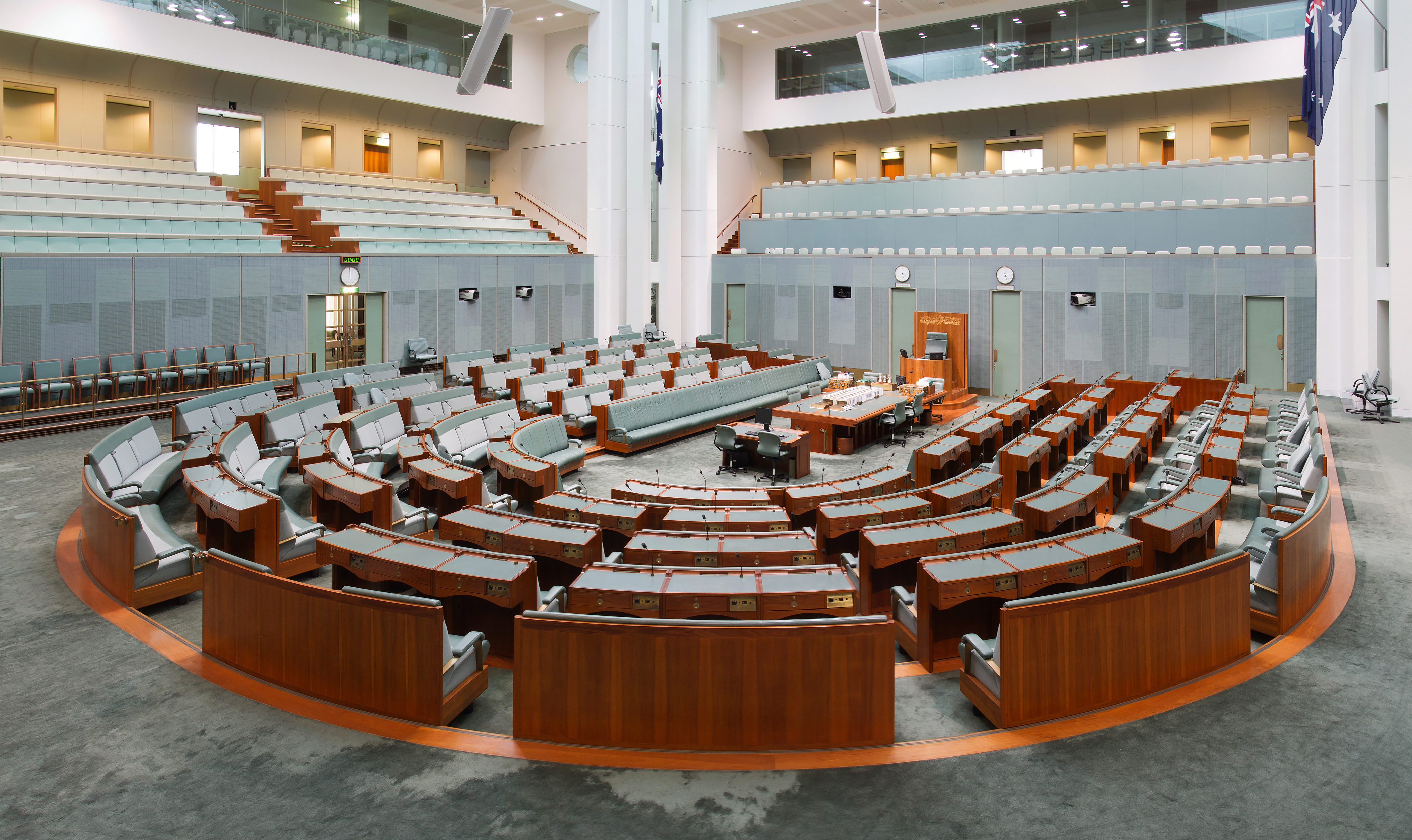
The Australian Senate extended its inquiry on June 23 into a bill that would implement the largest cuts in the history of the National Disability Insurance Scheme [1].
This legislative move is critical because the NDIS provides essential support services to hundreds of thousands of Australians. The proposed reductions could fundamentally alter the level of care and independence available to citizens with disabilities, pitting government fiscal sustainability against human rights.
The government said reforms are necessary to curb the rapid growth of costs associated with the program. According to reports, the annual cost of the NDIS now exceeds $50 billion per year [2]. Officials said that without intervention, the scheme's financial trajectory is unsustainable for the national budget.
Disability advocates have reacted strongly to the proposal. Some advocates said the proposed cuts are "ridiculous and disrespectful" [1]. These groups argue that reducing funding during a period of rising living costs will leave the most vulnerable populations without necessary medical, and social supports.
The Senate's decision to extend the inquiry allows for further testimony and evidence to be gathered before a final vote on the bill. This extension comes amid increasing pressure from community organizations to protect the integrity of the scheme's current funding model.
Lawmakers in Canberra are now tasked with balancing the economic reality of the $50 billion annual expenditure [2] with the legal and ethical obligations to provide disability support. The outcome of the inquiry will determine whether the government's austerity measures are implemented in full or modified to protect specific service tiers.
“The Australian Senate extended its inquiry into a bill that would implement the biggest-ever cuts to the NDIS.”
This extension indicates a significant political tension between the Australian government's goal of fiscal consolidation and the social mandate of the NDIS. By prolonging the inquiry, the Senate is acknowledging that the scale of the proposed cuts is unprecedented and requires more rigorous scrutiny to avoid widespread service failures.


