
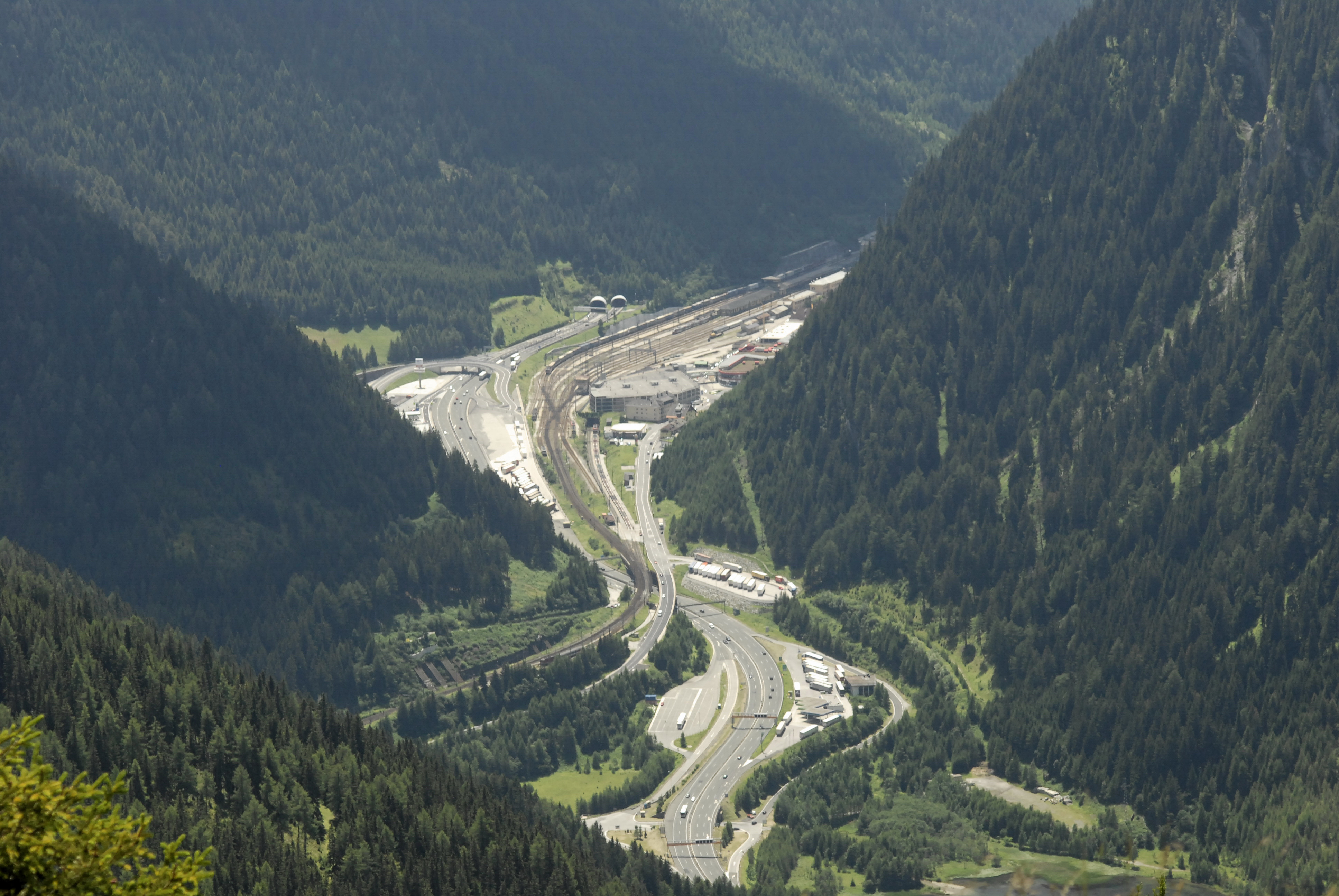
Thousands of Austrian protesters shut down the Brenner motorway on Saturday, May 30, 2026, halting traffic between Germany and Italy [1].
The disruption occurred at the Brenner Pass, one of the most critical north-south transit arteries in Europe. Because the motorway serves as a primary link for commercial freight and tourism, the shutdown created significant delays for international logistics and travelers moving between Central and Southern Europe.
Local residents organized the blockade to voice opposition to the volume of heavy truck and tourist traffic that frequently clogs the region's roads [1]. Protesters said rising levels of air pollution and traffic noise were primary drivers for the demonstration [2].
The motorway remained closed for approximately eight hours [2]. The closure forced thousands of vehicles to seek alternative routes or wait in long queues as the blockage severed the direct connection between the two nations.
While the blockade eventually ended, the event highlights ongoing tensions between local Alpine communities and the European Union's transit demands. Residents in the Brenner region have long argued that the environmental and acoustic costs of the transit corridor are borne by locals, while the economic benefits accrue to the larger shipping companies and distant governments.
The protest focused on the perennial nature of the congestion—a situation that typically peaks during tourist seasons and remains high due to the constant flow of freight trucks moving toward Italian ports [1].
“Thousands of Austrian protesters shut down the Brenner motorway”
The blockade underscores the growing friction between the logistical needs of the European Single Market and the environmental quality of life for residents in transit hubs. As the Brenner Pass is a bottleneck for trans-Alpine trade, such disruptions signal that local environmental grievances may increasingly clash with international commerce, potentially forcing governments to invest in more sustainable rail alternatives or stricter traffic quotas.


