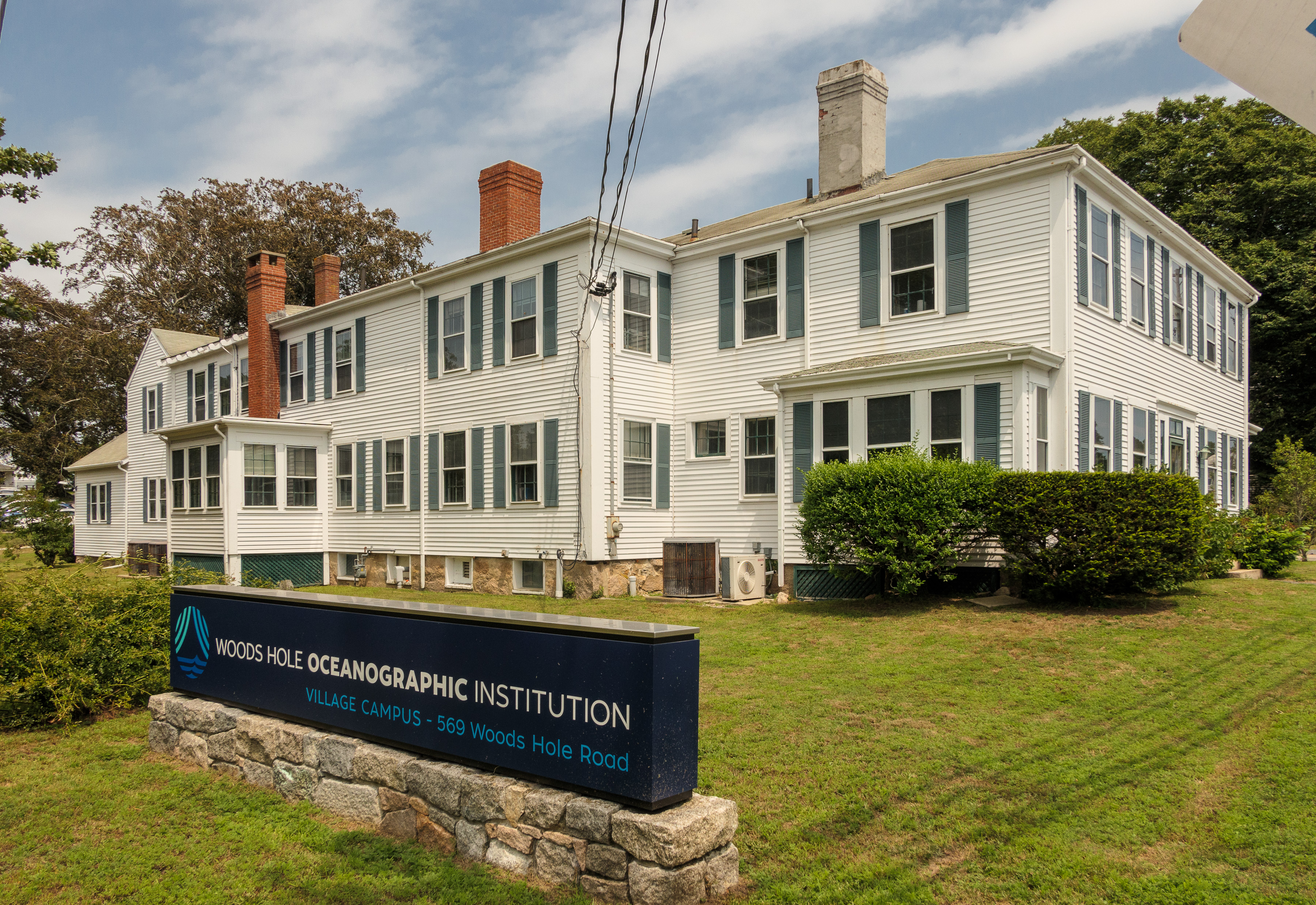
Scientists at the Woods Hole Oceanographic Institution (WHOI) Reef Solutions Initiative developed an autonomous underwater robot to map endangered coral reefs [1].
This technology allows researchers to identify biodiversity hotspots more efficiently than traditional methods. By pinpointing where marine life is most concentrated, the robot provides the data necessary for decision-makers to allocate limited conservation resources to the areas that need them most [1, 2].
The robot operates by listening to the acoustic environment of the ocean [1]. It tracks specific sounds, such as the snaps of shrimp and the calls of fish, to determine the health and density of the underwater ecosystem [3]. This auditory mapping helps the robot navigate and locate high-activity zones that might be missed by visual surveys alone [3, 4].
Based in Woods Hole, Massachusetts, the research team designed the system to operate independently [1, 2]. The autonomous nature of the craft means it can cover larger areas of the seafloor without constant human intervention, a critical requirement for monitoring vast and remote reef systems [2, 3].
The project aims to protect endangered reefs by providing a real-time understanding of where species are thriving [1, 4]. By monitoring these hotspots, scientists can better understand how coral reefs react to environmental stressors and how to implement protective measures more effectively [2, 4].
Conservationists can now use these maps to designate protected areas, or monitor the recovery of reefs after bleaching events [1, 4]. The integration of acoustic tracking and autonomous navigation represents a shift in how marine biologists survey the deep ocean [3].
“The robot operates by listening to the acoustic environment of the ocean.”
The shift toward acoustic-based autonomous mapping reduces the reliance on expensive, crewed expeditions and manual visual audits. By treating the soundscape of a reef as a biological signature, researchers can create a scalable model for biodiversity monitoring that informs international maritime policy and environmental protection zones.


