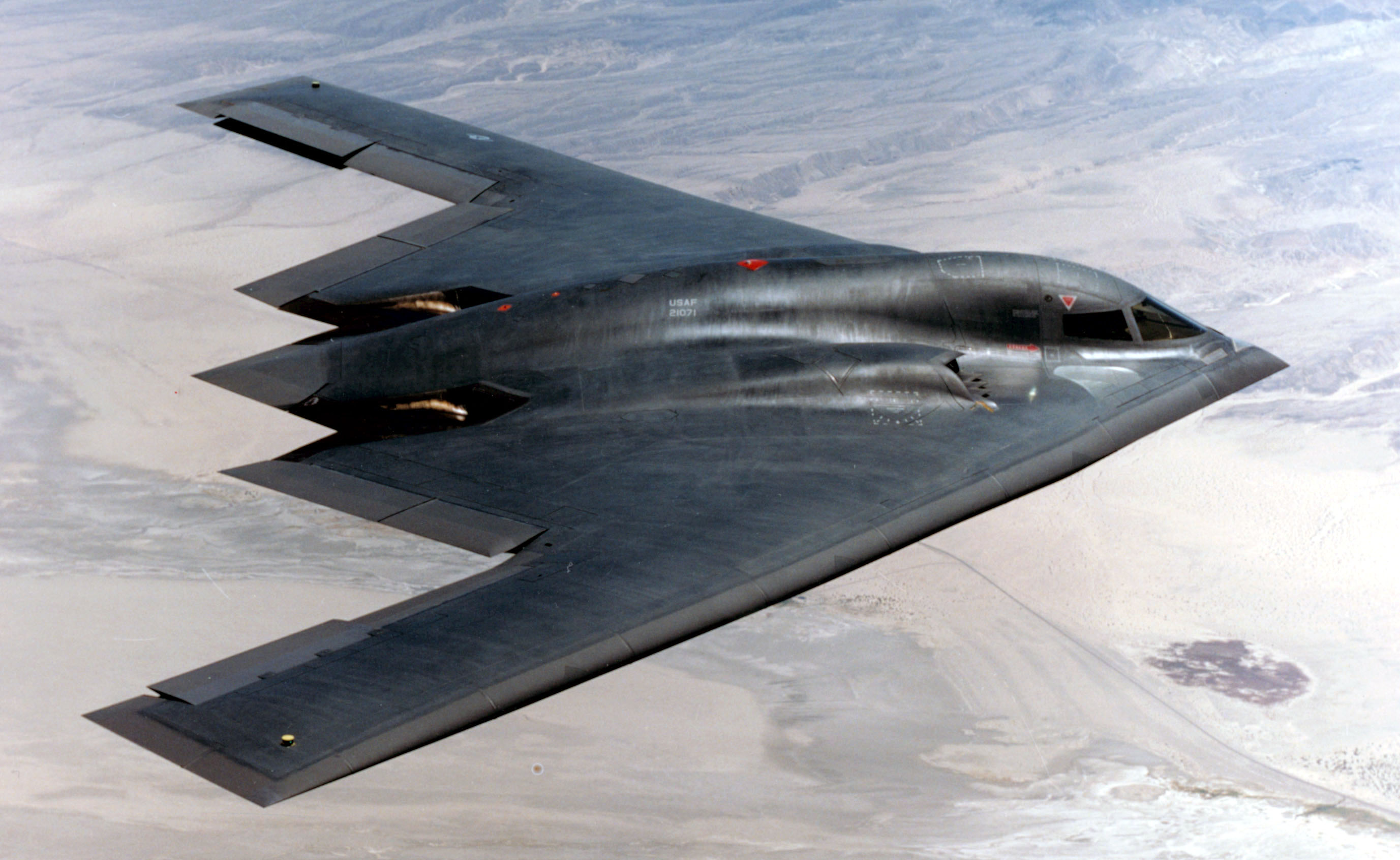
The U.S. Air Force B-2 Spirit strategic bomber continues to operate using critical computing systems and processors designed in the 1980s [1].
This reliance on legacy hardware creates significant operational hurdles for the military. Because the aircraft's safety-critical systems are deeply integrated, any single software change requires rigorous testing and expensive certification to ensure the plane remains airworthy.
Built by Northrop Grumman, the B-2 entered service in the 1990s but retains hardware from the previous decade [1]. The fleet consists of only 20 aircraft [1]. This small number of airframes complicates the supply chain, as the military must stockpile rare replacement parts for processors, and circuit boards that are no longer in mass production [1].
Maintaining these 1980s-era systems is both time-consuming and costly [1]. The complexity of the avionics means that updates cannot be implemented as quickly as in modern digital platforms. Engineers must navigate the limitations of legacy architecture while attempting to keep the stealth bomber viable against modern threats.
While the airframe remains a cornerstone of strategic deterrence, the internal electronics represent a widening gap between the aircraft's physical capabilities and its digital infrastructure [1]. The need for constant certification of aging hardware ensures that every modification is a high-stakes technical effort.
“The B-2 Spirit strategic bomber continues to operate using critical computing systems and processors designed in the 1980s.”
The B-2's dependence on legacy hardware illustrates the 'technical debt' inherent in long-lifecycle military platforms. While the aircraft's stealth profile remains effective, the difficulty of updating its software creates a vulnerability in adaptability. This challenge underscores the necessity of the B-21 Raider, which is designed to avoid these specific architectural bottlenecks through more modular, modern computing standards.