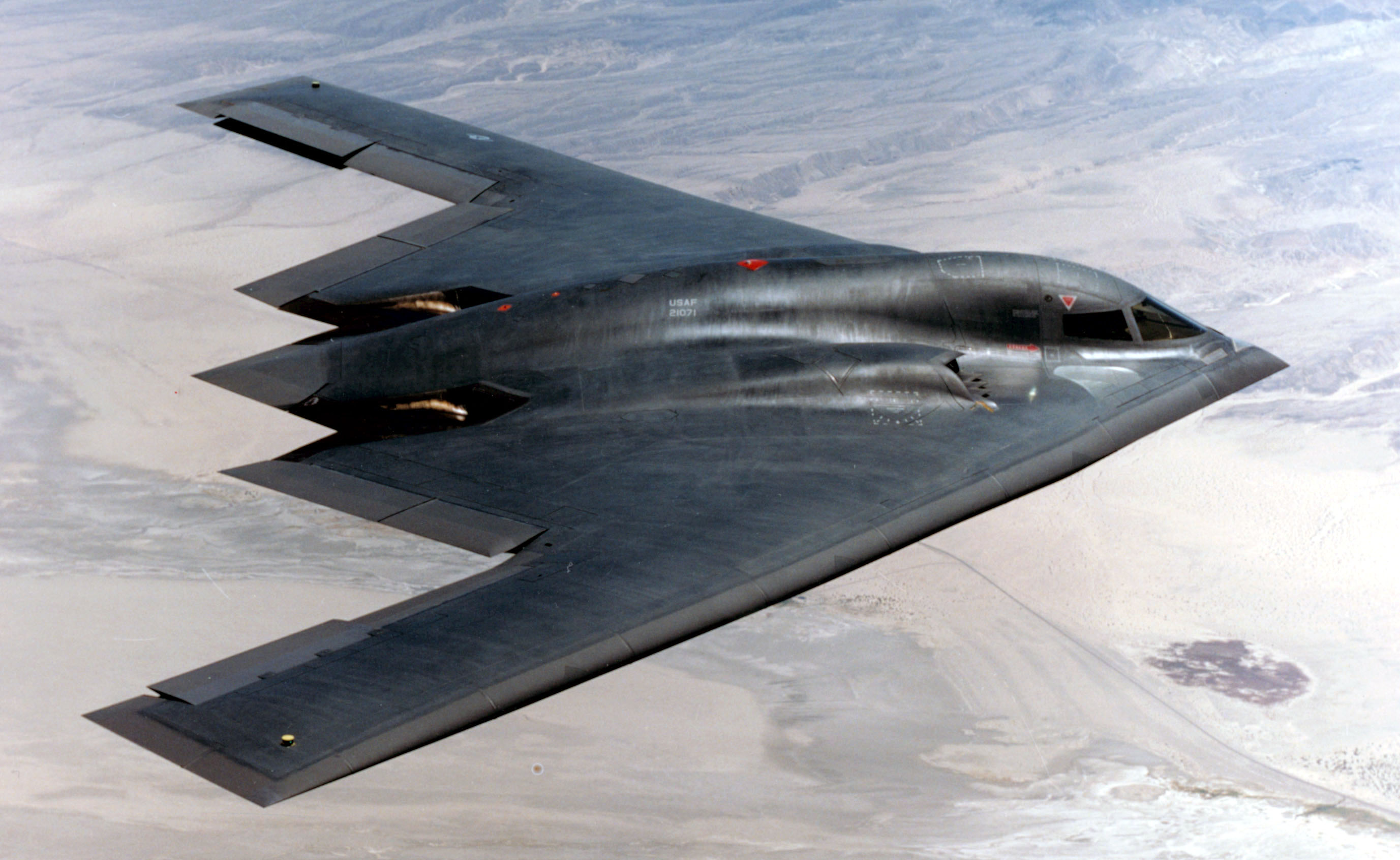
Roughly 100 U.S. Air Force pilots are qualified to operate the B-2 Spirit stealth bomber due to the aircraft's extreme complexity [1].
The limited number of qualified aviators creates a narrow operational window for one of the most critical assets in the American nuclear triad. Because the B-2 is designed for deep-penetration missions into contested airspace, the scarcity of trained crews represents a significant bottleneck in strategic deployment.
Training and operations for the fleet are based at Whiteman Air Force Base in Missouri [1]. The aircraft's unique flying-wing design requires a specialized skill set that differs from traditional bomber aircraft. Pilots must master complex mission avionics, and the specific requirements of aerial refueling to maintain long-duration flights [1], [2].
Beyond flight mechanics, the role involves the high-stakes handling of nuclear weapons, which demands years of extensive training [1], [2]. This rigorous pipeline ensures that only a small fraction of the Air Force's pilot corps can safely manage the platform's stealth systems and mission profiles.
The small pool of pilots is also a reflection of the fleet's size. The U.S. Air Force maintains only 20 B-2 Spirit bombers in its inventory [2]. With such a limited number of airframes, there is little need or capacity to train a larger volume of pilots.
Estimates regarding the exact number of qualified pilots vary slightly across reports. Some data suggests a range between 80 and 120 pilots [1], while other sources cite the figure as approximately 100 [2].
“Only 20 B-2 Spirit bombers exist in the U.S. Air Force inventory.”
The extreme specialization of B-2 pilots highlights the transition from the B-2 Spirit to the B-21 Raider. While the B-2 requires highly specific, resource-heavy training and maintenance, including the inability to park outside overnight, the next generation of stealth bombers aims to reduce these operational burdens. The current reliance on a tiny group of elite pilots underscores the fragility of maintaining a legacy stealth fleet as it nears the end of its primary lifecycle.
'%2F%3E%0A%20%20%20%20%3Crect%20width%3D'1600'%20height%3D'900'%20fill%3D'url(%23v)'%2F%3E%0A%20%20%20%20%3Cg%20opacity%3D'0.08'%20fill%3D'%23ffffff'%3E%0A%20%20%20%20%20%20%3Ccircle%20cx%3D'1420'%20cy%3D'180'%20r%3D'220'%2F%3E%0A%20%20%20%20%20%20%3Ccircle%20cx%3D'1500'%20cy%3D'760'%20r%3D'120'%2F%3E%0A%20%20%20%20%3C%2Fg%3E%0A%20%20%20%20%3Cline%20x1%3D'80'%20y1%3D'172'%20x2%3D'220'%20y2%3D'172'%20stroke%3D'%23ffffff'%20stroke-width%3D'3'%20stroke-opacity%3D'0.6'%2F%3E%0A%20%20%20%20%3Ctext%20x%3D'80'%20y%3D'140'%20font-family%3D'Inter%2C%20-apple-system%2C%20Helvetica%2C%20sans-serif'%20font-weight%3D'700'%20font-size%3D'28'%20fill%3D'%23ffffff'%20letter-spacing%3D'6'%3EHANNA%20%C2%B7%20NEWS%3C%2Ftext%3E%0A%20%20%20%20%3Ctext%20x%3D'80'%20y%3D'230'%20font-family%3D'Inter%2C%20-apple-system%2C%20Helvetica%2C%20sans-serif'%20font-weight%3D'600'%20font-size%3D'40'%20fill%3D'%23ffffffb3'%20letter-spacing%3D'4'%3EWORLD%3C%2Ftext%3E%0A%20%20%20%20%3Ctext%20x%3D'80'%20y%3D'622'%20font-family%3D'Playfair%20Display%2C%20Georgia%2C%20serif'%20font-weight%3D'800'%20font-size%3D'86'%20fill%3D'%23ffffff'%20letter-spacing%3D'-1'%3EChilean%20Navy%20Warns%20of%3C%2Ftext%3E%3Ctext%20x%3D'80'%20y%3D'721'%20font-family%3D'Playfair%20Display%2C%20Georgia%2C%20serif'%20font-weight%3D'800'%20font-size%3D'86'%20fill%3D'%23ffffff'%20letter-spacing%3D'-1'%3EAbnormal%205-Meter%20Waves%20in%3C%2Ftext%3E%3Ctext%20x%3D'80'%20y%3D'820'%20font-family%3D'Playfair%20Display%2C%20Georgia%2C%20serif'%20font-weight%3D'800'%20font-size%3D'86'%20fill%3D'%23ffffff'%20letter-spacing%3D'-1'%3EVi%C3%B1a%20del%20Mar%3C%2Ftext%3E%0A%20%20%20%20%3Ctext%20x%3D'80'%20y%3D'870'%20font-family%3D'Inter%2C%20-apple-system%2C%20Helvetica%2C%20sans-serif'%20font-weight%3D'500'%20font-size%3D'22'%20fill%3D'%23ffffff66'%20letter-spacing%3D'2'%3Enews.hanna-ai.com%3C%2Ftext%3E%0A%20%20%3C%2Fsvg%3E)

