
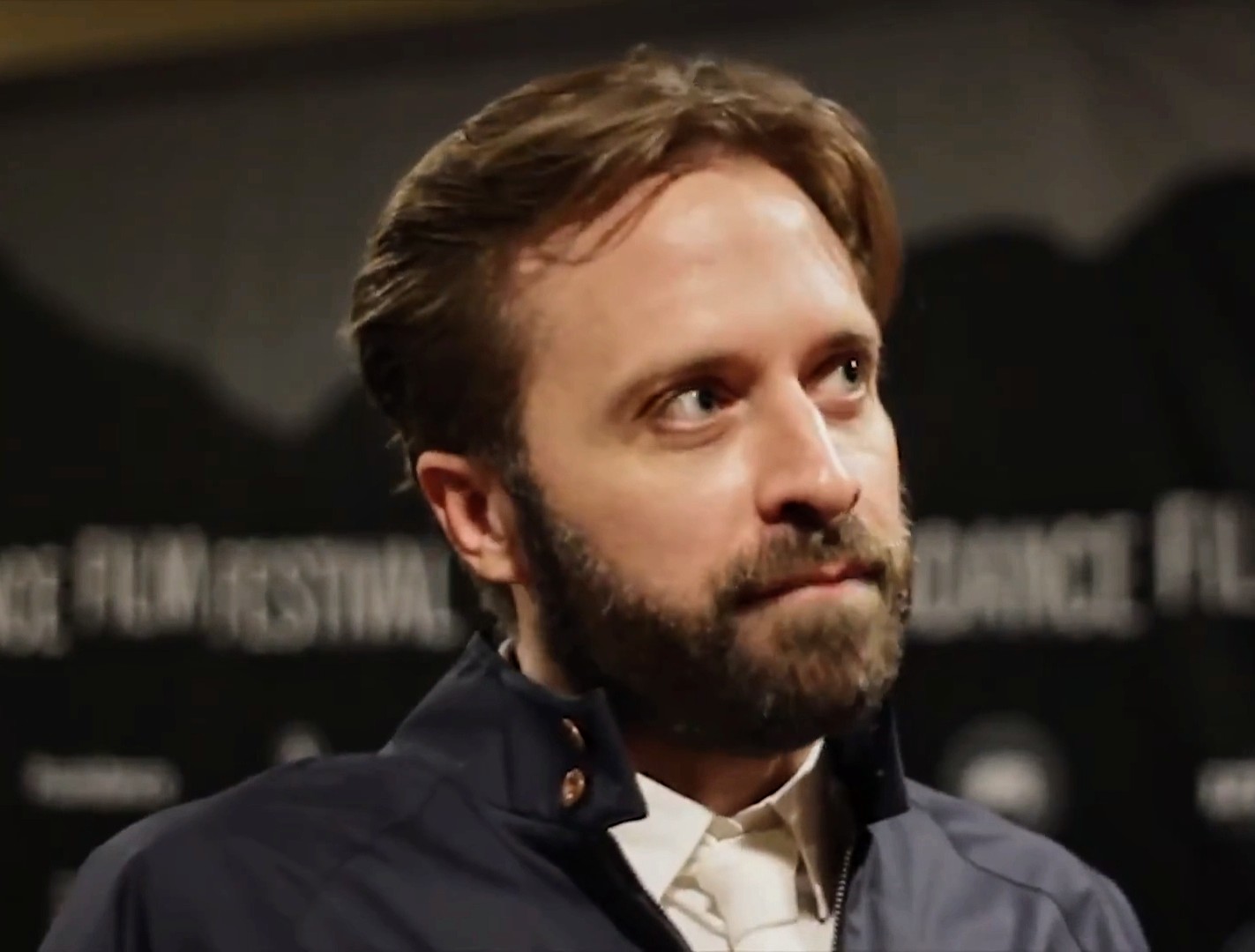
Director Kane Parsons has provided an interpretation of the ambiguous ending of his film, The Backrooms, following its theatrical release on May 29 [2].
The clarification comes as audiences grapple with the film's surreal conclusion. Because the story centers on an infinite, liminal space, the ending leaves the ultimate fate of the characters open to debate, a choice that often dictates whether a franchise can sustain a sequel.
Parsons, who is 20 years old [1], designed the narrative to explore the endless nature of the Backrooms. The plot follows characters such as Mary and Phil as they navigate a distorted reality that defies conventional physics. This setting serves as the primary antagonist of the film, trapping individuals in a repetitive and unsettling environment.
Interpretations of the finale suggest that the characters' journeys are far from over. Some analyses indicate that the conclusion specifically sets up a possible sequel by leaving key mysteries unresolved. The ambiguity regarding who survives and where they end up remains a point of contention among critics and viewers.
While some outlets have provided what they describe as definitive explanations of the ending, other critics said that no one is truly sure what the conclusion means yet. This divide highlights the intentional vagueness Parsons employed to mirror the unsettling atmosphere of the liminal spaces depicted on screen.
The film's arrival in theaters marks a transition for the property from an internet legend to a formal cinematic experience. By maintaining a level of mystery, the production preserves the psychological horror that made the original concept a viral success.
“The ending leaves the ultimate fate of the characters open to debate.”
The decision to maintain an ambiguous ending reflects a strategy to keep the audience engaged through speculation and theory-crafting. By refusing a concrete resolution, Parsons ensures the film mirrors the 'liminal' quality of its subject matter, effectively bridging the gap between internet creepypasta culture and traditional studio filmmaking while creating a narrative bridge for future installments.


