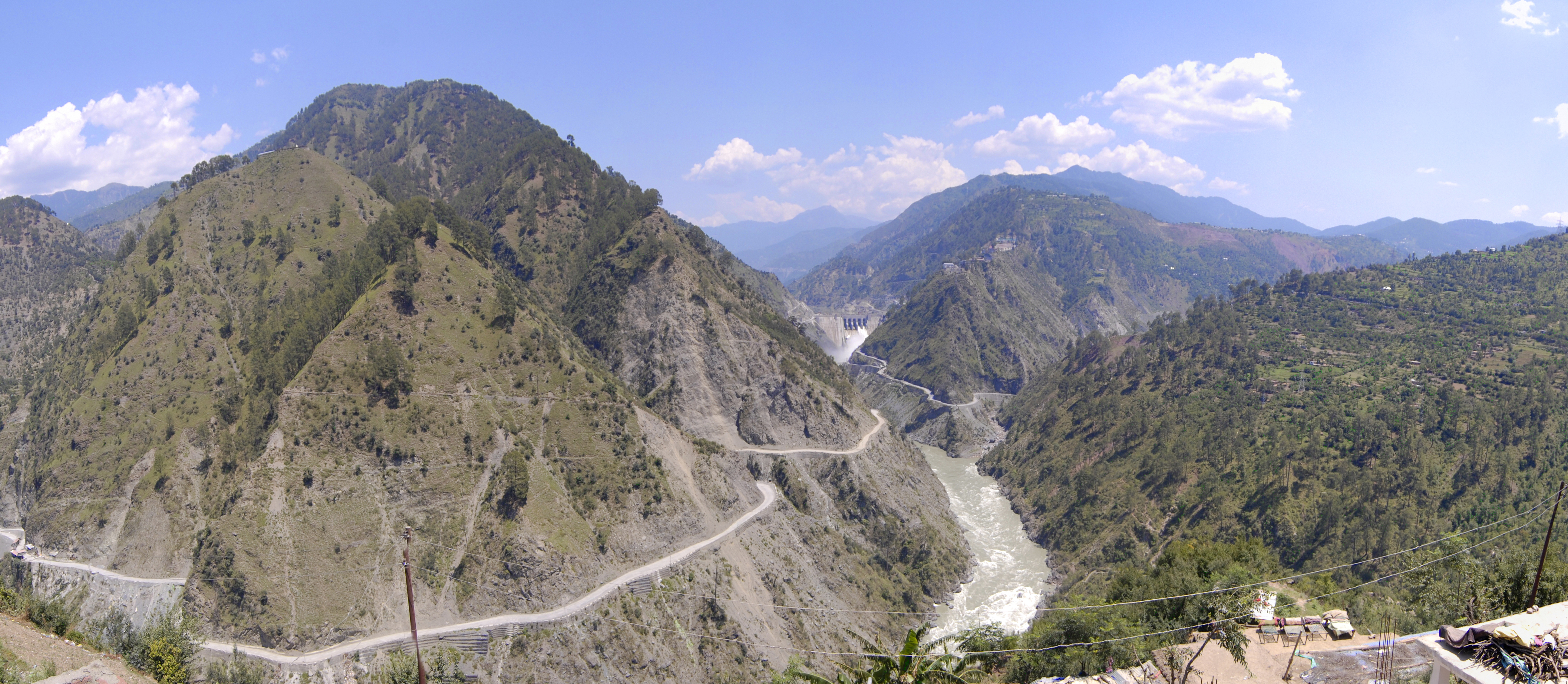
Authorities in Jammu & Kashmir opened three gates of the Baglihar Dam on July 6 [1], [2] to manage rising water levels.
The decision to release water is critical for maintaining the structural integrity of the dam and preventing uncontrolled flooding in downstream areas. Because the Baglihar Dam is located on the Chenab River, sudden surges in water volume can impact multiple regions across the Ramban district [1], [2].
Heavy and continuous rainfall led to the swelling of the Chenab River, forcing the operational change [1], [2]. The dam is situated in the Ramban district of Jammu & Kashmir, where officials monitor water levels to ensure public safety during the monsoon season [1], [2].
Officials opened three gates [1] to regulate the flow of the river as the reservoir reached critical levels. This measure is a standard response to extreme weather patterns that increase the volume of water entering the dam's catchment area [1], [2].
The release of water from the Baglihar Dam often occurs during periods of intense precipitation in the region. By controlling the discharge, authorities aim to mitigate the risk of flash floods that could threaten local infrastructure, and residential settlements along the riverbanks [1], [2].
Monitoring continues as weather patterns in the region remain volatile. The management of the Chenab River is a complex task involving constant surveillance of water inflows and the strategic timing of gate openings to balance power generation with flood control [1], [2].
“Authorities in Jammu & Kashmir opened three gates of the Baglihar Dam on July 6”
The opening of the Baglihar Dam gates highlights the ongoing challenge of water management in the volatile terrain of Jammu & Kashmir. Because the Chenab River is a key tributary, its management is not only a matter of local flood prevention but also a point of geopolitical sensitivity regarding water-sharing treaties between India and Pakistan.


