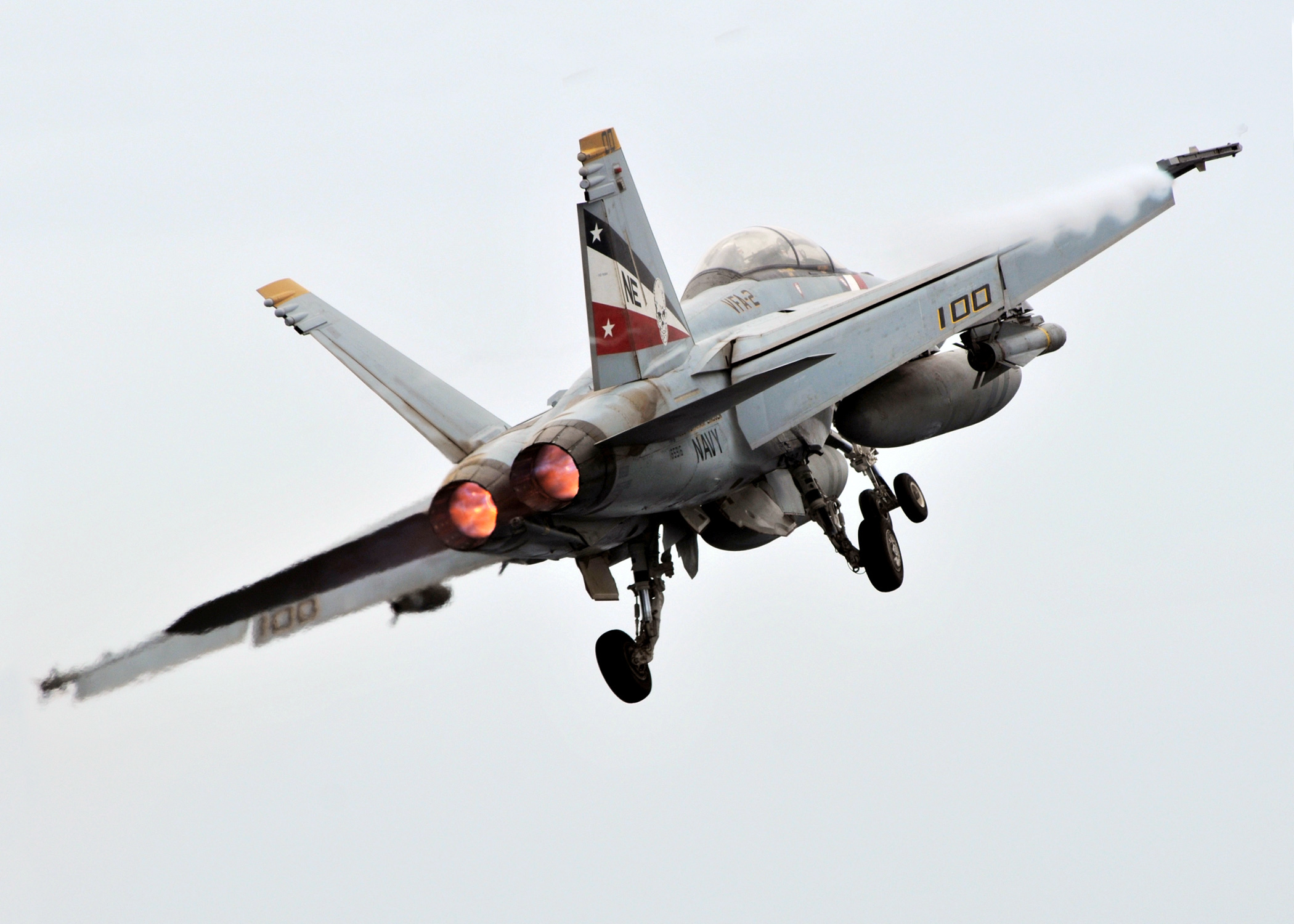
Maj. Gen. (Retd.) G.D. Bakshi said that U.S. retaliatory strikes against Tehran may be inadvertently increasing Iran's global influence [1].
The assessment highlights a growing debate over whether military intervention effectively deters regional adversaries or instead strengthens their geopolitical standing. This perspective suggests that the U.S. approach to the conflict may be counterproductive to its long-term strategic goals.
Speaking during a televised debate with Arnab Goswami on Republic World in New Delhi, Bakshi said he analyzed the implications of the current hostilities [1, 2]. He said the decision to launch strikes was a strategic misstep by the United States [2].
Bakshi said that the pressure exerted by these military actions could be boosting Tehran's appeal or authority on the world stage [1]. By positioning the U.S. as an aggressor, the strikes may allow Iran to project an image of resilience, and defiance to other nations [2].
The discussion focused on whether the U.S. had accurately weighed the risks of escalating tensions against the potential for Iranian growth in the Global South [1]. Bakshi said that the strategic outcome of these strikes is not the weakening of the Iranian regime, but rather a shift in how the regime is perceived globally [2].
This analysis comes as the U.S. continues to navigate a complex security environment in the Middle East. The debate underscores the tension between using tactical military force to achieve immediate objectives and the broader strategic impact on international diplomacy [1].
“U.S. retaliatory strikes against Tehran may be inadvertently increasing Iran's global influence.”
The critique by Maj. Gen. Bakshi reflects a school of geopolitical thought that prioritizes strategic perception over tactical victory. If military strikes are viewed as disproportionate or ineffective, they can transform a targeted state into a symbol of resistance, potentially expanding its diplomatic and ideological reach in regions skeptical of U.S. foreign policy.