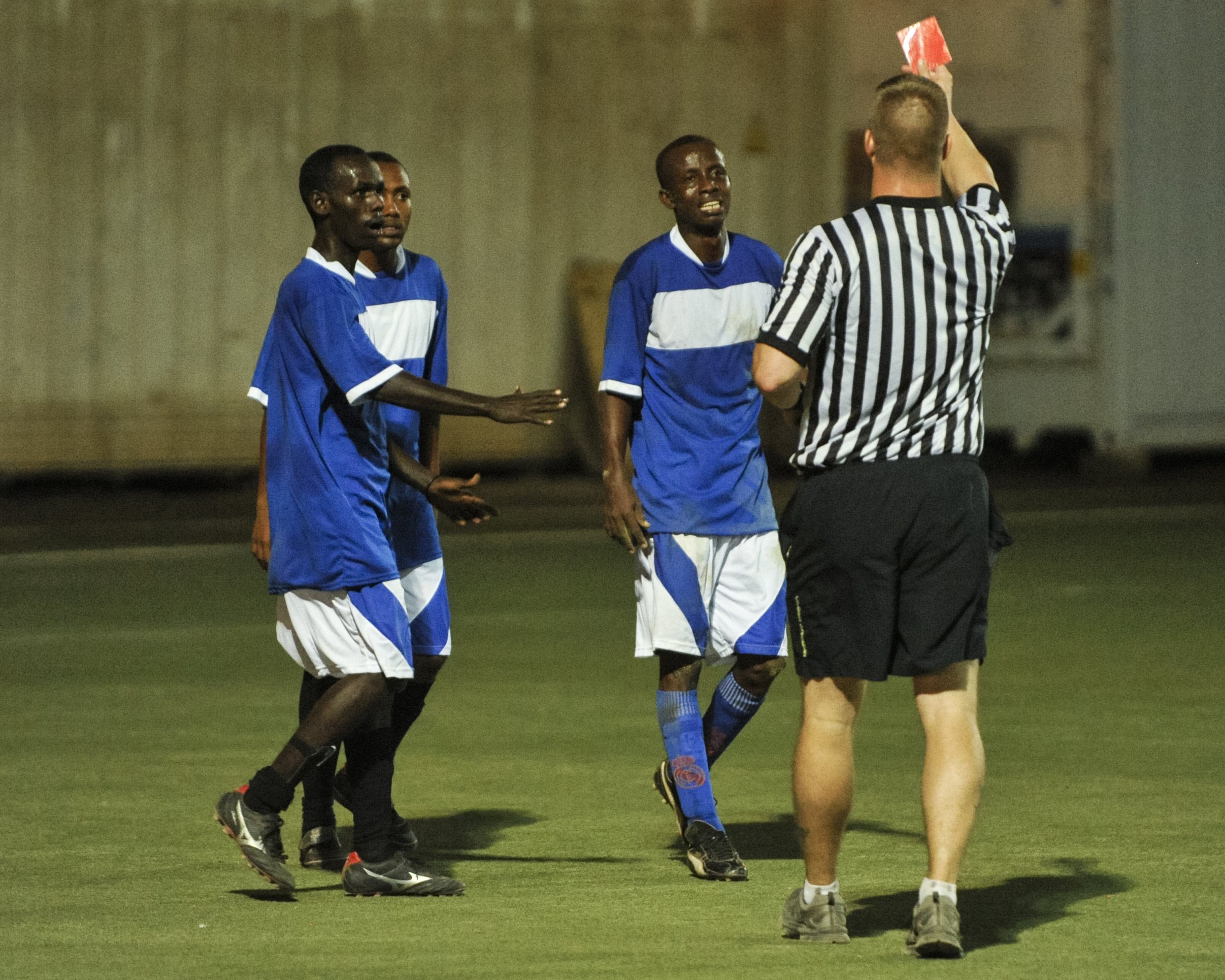
U.S. men's national team forward Folarin Balogun will miss the team's next match following a straight red card issued during Wednesday's game [1], [2].
The suspension removes a key offensive player from the lineup for a critical World Cup fixture. Because FIFA rules mandate an automatic one-match suspension with no right of appeal, the U.S. must find a replacement for the game on Monday, July 5 [1], [2].
Balogun received the card for a foul on Bosnian defender Tarik Muharemovic during the match on July 1 [2]. The decision drew criticism from the U.S. coaching staff and former players who questioned the severity of the foul and the application of technology.
"Never a red card – this is a terrible decision," coach Mauricio Pochettino said [3].
Beyond the immediate impact on the roster, the incident has sparked a debate regarding the Video Assistant Referee (VAR) protocol. Some analysts suggest the officials violated the World Cup's own rules on video reviews when the card was issued [4]. This technical dispute has led to calls for a systemic overhaul of how red cards are handled in tournament play.
John Harkes, a former U.S. national team star, joined the criticism of the governing body's regulations. "Balogun's red card was not deserved and we need FIFA to change the automatic suspension rule," Harkes said [5].
While critics argue the decision was incorrect, other reports indicate the ruling follows established FIFA guidelines and will not be overturned [6]. The discrepancy highlights a tension between the rigid application of tournament rules, and the perceived fairness of on-field officiating. The U.S. team now faces the challenge of adjusting its tactical approach without Balogun for the upcoming Monday match [1].
“"Never a red card – this is a terrible decision."”
The controversy underscores a recurring conflict in international soccer between the use of VAR to ensure accuracy and the rigid nature of FIFA's disciplinary codes. By denying the right to appeal automatic suspensions, FIFA prioritizes administrative consistency over the ability to correct officiating errors, potentially altering the outcome of tournament brackets based on a single disputed call.


