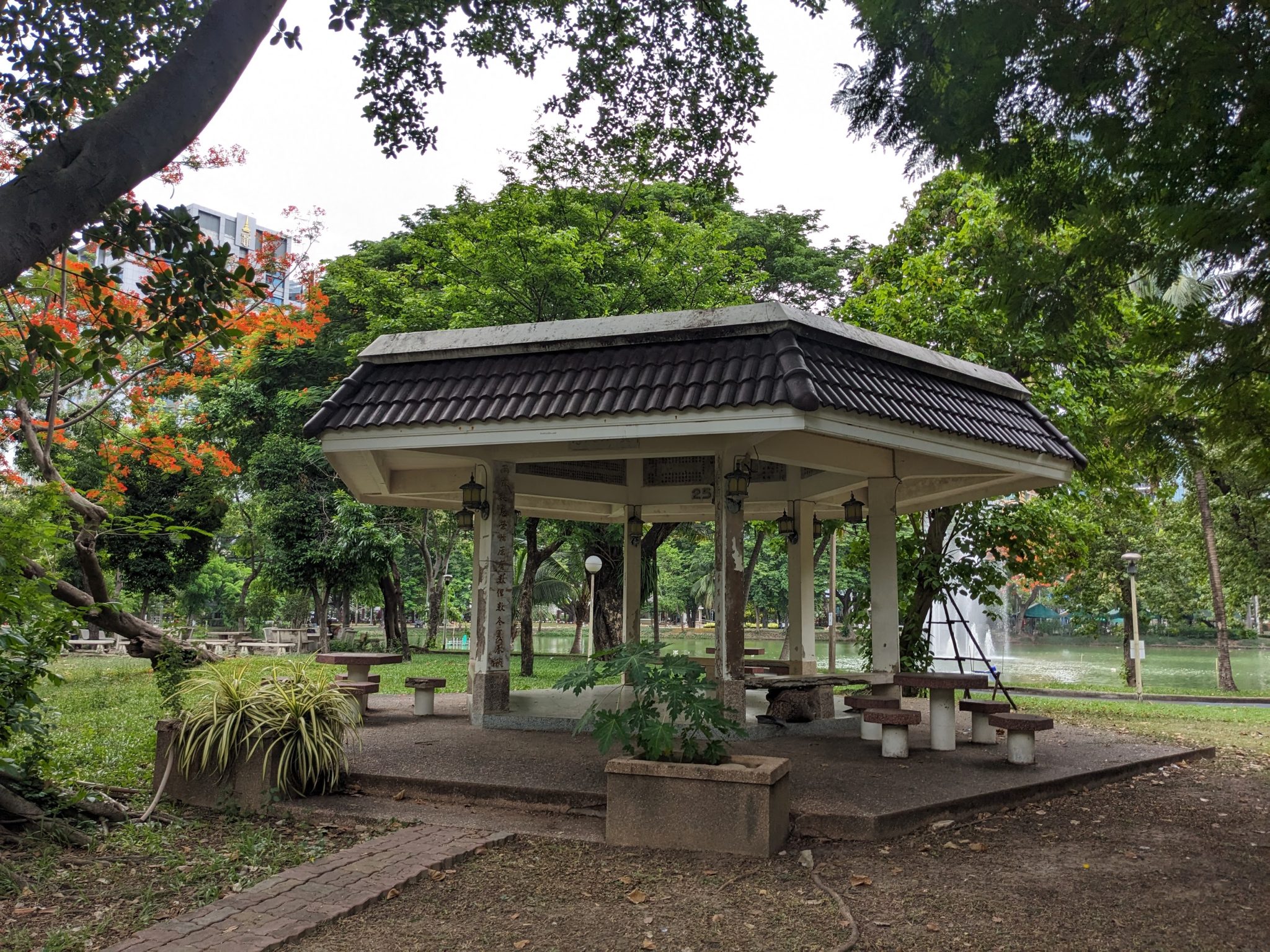
Hundreds of people gathered in Bangkok's Lumphini Park for a "Do Nothing" event to protest the pressures of hustle culture [1].
The gathering highlights a growing global movement toward mindfulness and digital detox as individuals seek relief from the constant expectation of productivity.
Participants spent one hour sitting quietly without the use of phones, talking, or any other activity [1]. The event served as a peaceful protest against the societal drive to remain perpetually active and connected. Organizers said the initiative was a way to reclaim time and mental space in an increasingly fast-paced environment [1].
Lumphini Park provided the backdrop for the silent assembly, where the only requirement for participants was to remain still [1]. By removing digital distractions and social interaction, the event aimed to demonstrate the value of stillness in a city known for its intense urban energy.
This specific form of protest focuses on the psychological toll of modern work culture. The participants sought to challenge the notion that every moment of a person's day must be optimized for efficiency or output [1]. While the event was brief, the scale of the turnout suggests a significant desire among the public to disconnect from digital tethers, even for a short period.
The organizers said that the act of doing nothing is a deliberate choice to prioritize mental well-being over economic or social productivity [1]. This approach aligns with broader trends advocating for a slower pace of life to combat burnout and stress.
“Hundreds of people gathered in Bangkok's Lumphini Park for a "Do Nothing" event”
The 'Do Nothing' event reflects a burgeoning counter-cultural response to the 'hustle' economy, where productivity is often tied to personal worth. By transforming inactivity into a collective public act, participants are reframing stillness not as laziness, but as a necessary tool for mental health and a critique of digital dependency.