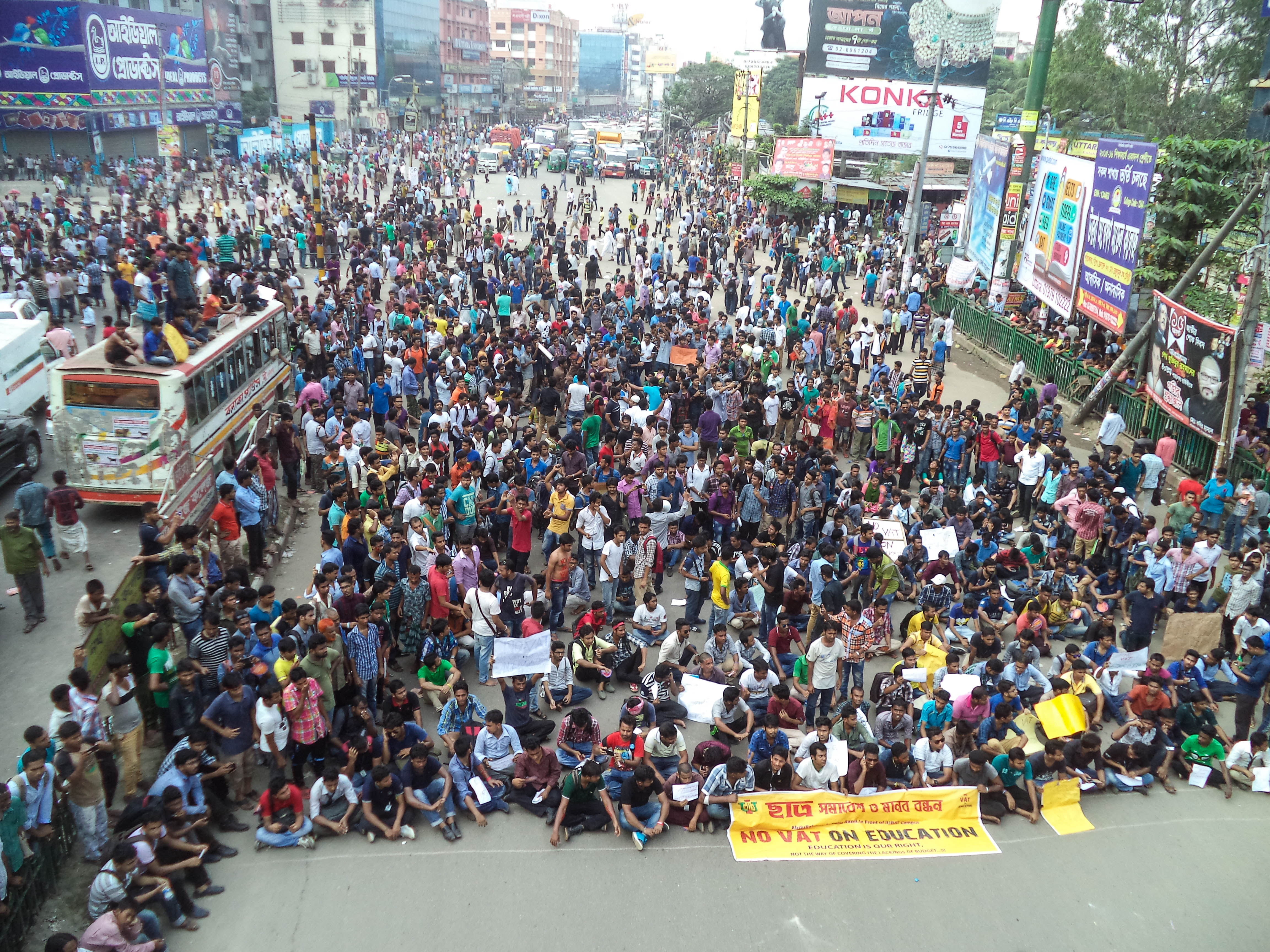
An 11-party opposition alliance in Bangladesh announced a series of nationwide protest programmes to demand the implementation of July Charter reforms [1].
These demonstrations signify a coordinated effort by opposition forces to leverage public dissatisfaction with the economy to force political concessions. The alliance is targeting both systemic governance changes and immediate relief for citizens struggling with the cost of living.
Bangladesh Jamaat-e-Islami, a key member of the coalition, helped coordinate the announcement on April 16, 2026 [1]. The alliance scheduled the protests to take place from April 18, 2026, to May 2, 2026 [1]. These rallies were designed to span all divisions across the country to build widespread public opinion [2].
The coalition's primary objective is to press the government for the realization of the July Charter reforms [2]. Beyond political restructuring, the alliance is focusing on the immediate economic hardships facing the population. Specifically, the group is demanding an end to the ongoing energy crisis, and stricter control over the prices of essential commodities [2].
Rising petroleum prices have become a central point of contention for the protesters. The alliance said the current cost of fuel is exacerbating public suffering and driving up the price of other necessary goods [2]. By linking the July Charter's political goals with the tangible reality of inflation, the 11-party alliance aims to mobilize a broader segment of the electorate across various divisions [2].
While the scheduled dates of the protest window have passed, the alliance continues to advocate for these reforms as a means to stabilize the national economy and restore political balance in Bangladesh [1].
“The alliance is targeting both systemic governance changes and immediate relief for citizens struggling with the cost of living.”
The alignment of Jamaat-e-Islami with a broader 11-party coalition suggests a strategic shift toward a unified opposition front. By pairing high-level political demands like the July Charter reforms with populist issues such as fuel prices and energy shortages, the alliance is attempting to bridge the gap between ideological political struggle and the daily economic grievances of the general public.


