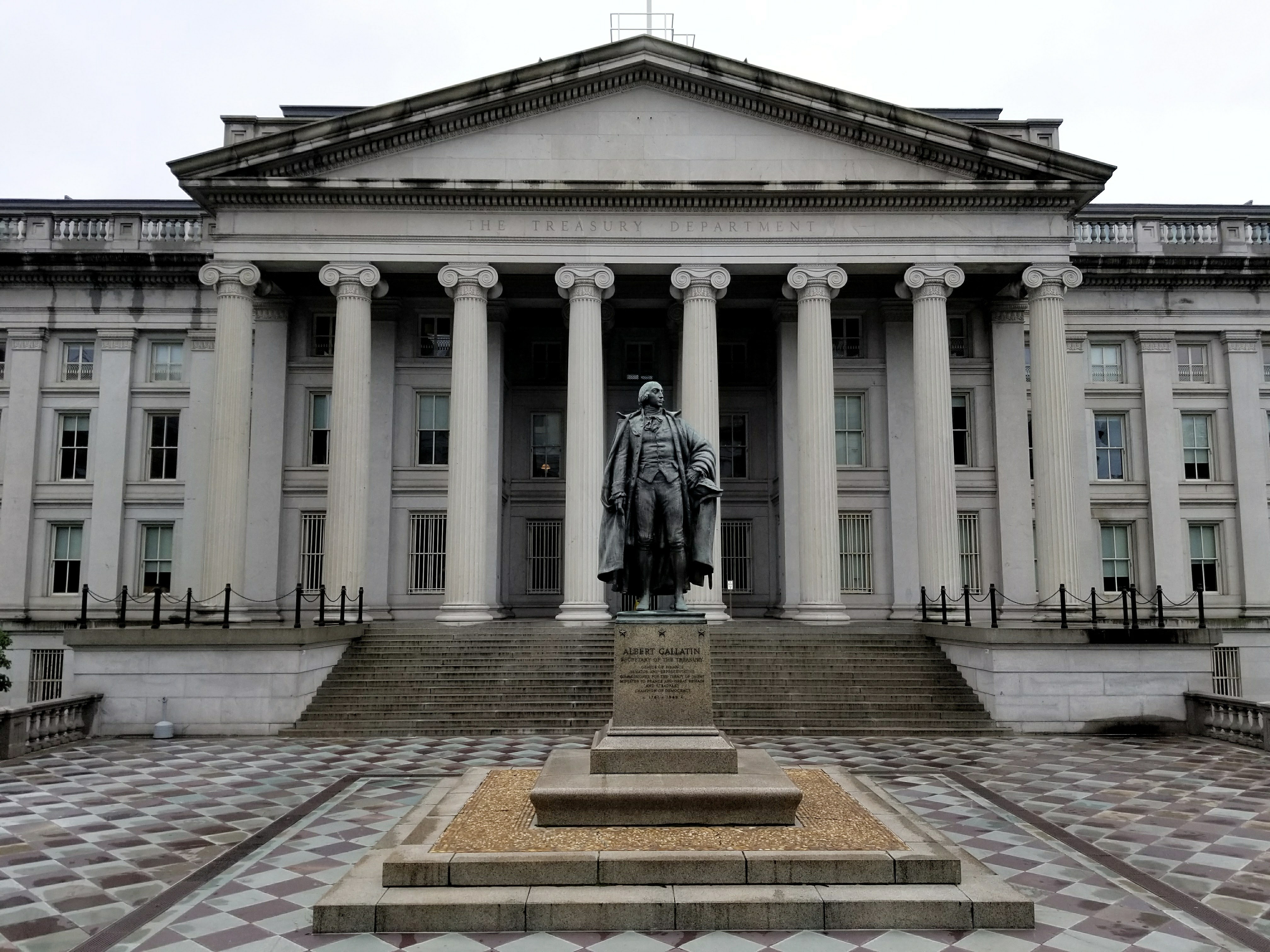
Bank of America strategist Michael Hartnett is warning investors to avoid U.S. Treasury bonds as the national debt approaches $40 trillion [1].
This caution comes as rising federal deficits increase the risk for bondholders, potentially destabilizing a traditional pillar of safe-haven investing.
Hartnett promoted what he called an "Anything But Bonds" strategy. He said the growing national debt and persistent large deficits make U.S. Treasuries a riskier bet for investors seeking stability.
According to some reports, the U.S. national debt is nearing $40 trillion [1]. Other data indicates the debt has already passed that record mark [3]. Projections suggest the total could reach $50 trillion by July 2029 [2].
The surge in federal borrowing is not without broader economic consequences. One analyst said federal debt is already raising the cost of living, and choking out other spending and investment [1].
While government debt rises, corporate credit markets are seeing different trends. Hyperscalers are expected to account for nine percent of investment-grade bond supply this year [4]. This shift highlights a divergence between the volatility of sovereign debt and the demand for credit from massive technology firms.
Hartnett's warning suggests that the traditional relationship between government bonds and risk management is shifting. As the debt balloon expands, the perceived safety of the U.S. Treasury may diminish relative to other asset classes.
“"Anything But Bonds"”
The shift toward an 'Anything But Bonds' strategy reflects a growing skepticism regarding the long-term sustainability of U.S. fiscal policy. If investors lose confidence in Treasuries as the risk-free asset, it could lead to higher borrowing costs for the U.S. government and increased volatility across global financial markets.


