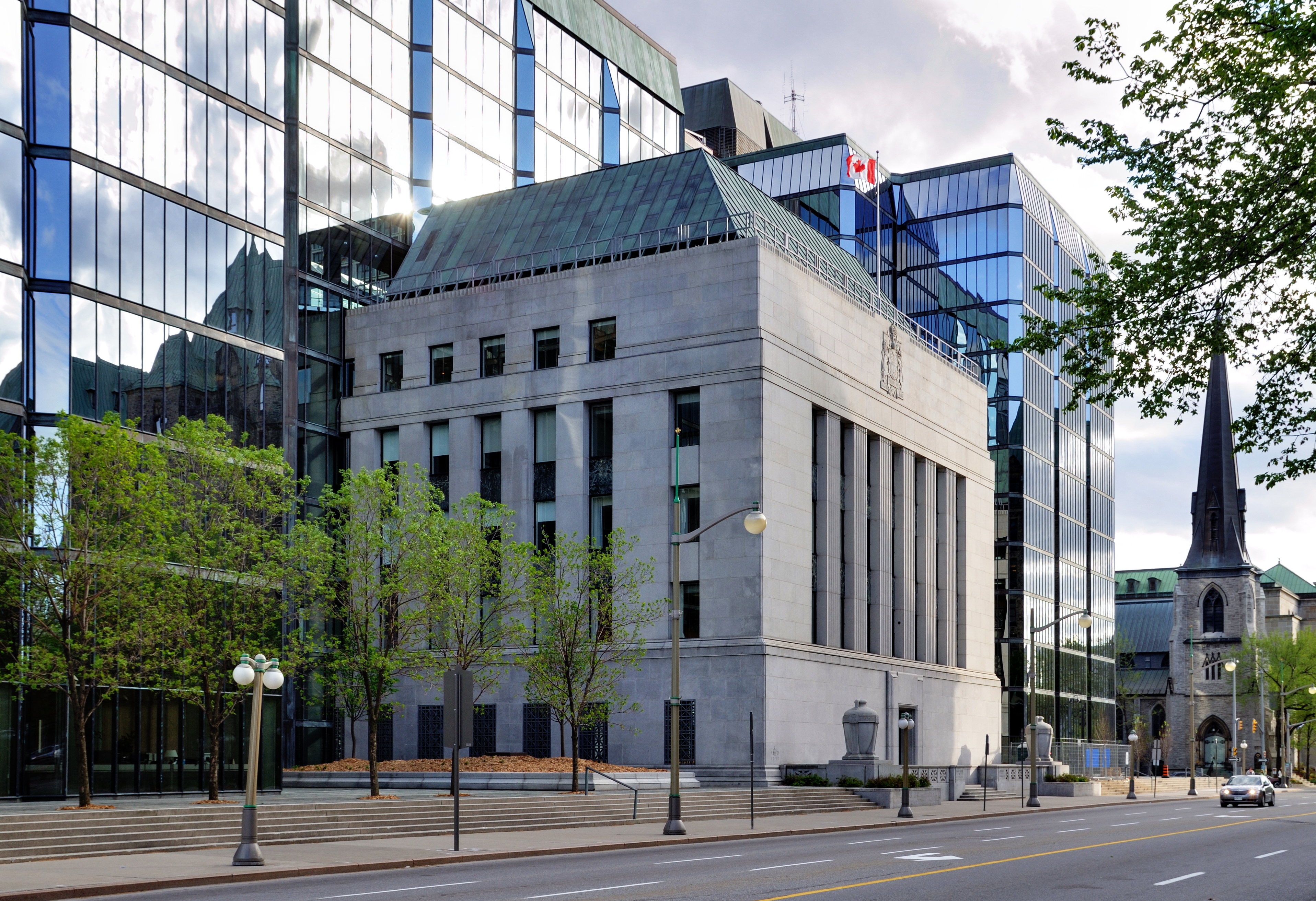
The Bank of Canada kept its policy interest rate unchanged on Wednesday, prompting warnings from economists that the national economy is not growing [1, 2].
This decision reflects a precarious balance for the central bank. By holding rates steady, officials are attempting to curb inflation without pushing a fragile economy into a full-scale contraction.
David McDonald, a senior economist for the Canadian Centre for Policy Alternatives, said he is concerned over the current trajectory of the market [1]. He said the lack of expansion is a critical issue for the country's financial health.
"We’re not seeing the economy growing, this is a problem," McDonald said [1].
Bank of Canada Governor Tiff Macklem said the current environment is fragile. He said the state of the economy is weak, though he noted it is not clearly in a recession [2]. The central bank continues to monitor economic indicators to determine if further adjustments to the policy rate are necessary to stimulate growth or maintain stability.
External analysts have also highlighted emerging risks. Mark Zandi, chief economist at Moody’s Analytics, said the economy is flashing a warning sign even as GDP keeps growing [3]. This suggests a disconnect between high-level data and the actual health of the economic engine.
The decision to hold rates comes as the bank weighs the risk of persistent inflation against the risk of a downturn. While the economy has avoided a technical recession, the lack of momentum described by McDonald and Macklem suggests a period of stagnation that could impact employment, and consumer spending.
“"We’re not seeing the economy growing, this is a problem."”
The Bank of Canada is currently in a holding pattern, facing a 'stagflationary' risk where growth remains flat while the bank fears that cutting rates too early could reignite inflation. The divergence between GDP growth and the 'warning signs' noted by analysts suggests that while the economy is technically functioning, the quality of that growth is insufficient to ensure long-term stability.