
The Bank of Canada held its key policy interest rate at 2.25% [1] on June 10, 2024 [3].
This decision reflects a cautious approach by central bank leadership as they attempt to stabilize the national economy. By maintaining the rate, the bank seeks to avoid triggering a deeper downturn while still managing the pressures of inflation and fluctuating costs.
This marks the fifth consecutive month [2] that the benchmark rate has remained unchanged. The decision comes as the bank navigates a complex landscape of economic indicators, including stagnant growth and volatile energy markets.
Governor Tiff Macklem addressed the current state of the Canadian economy during the announcement. He said that while the economic environment is fragile, it has not reached a critical breaking point.
"The economy may be weak, but it is not in a recession," Macklem said.
The bank is currently balancing several competing risks. These include weak growth and high energy prices, factors that complicate the outlook for future monetary policy.
Macklem said that the path forward for interest rates is not yet clear. He said the monetary-policy path remains uncertain as the bank continues to navigate these headwinds.
Officials said that the decision to hold the rate is a strategic move to maintain stability. A spokesperson for the Bank of Canada said the institution is holding the benchmark rate at 2.25% [1] for the fifth consecutive time [2].
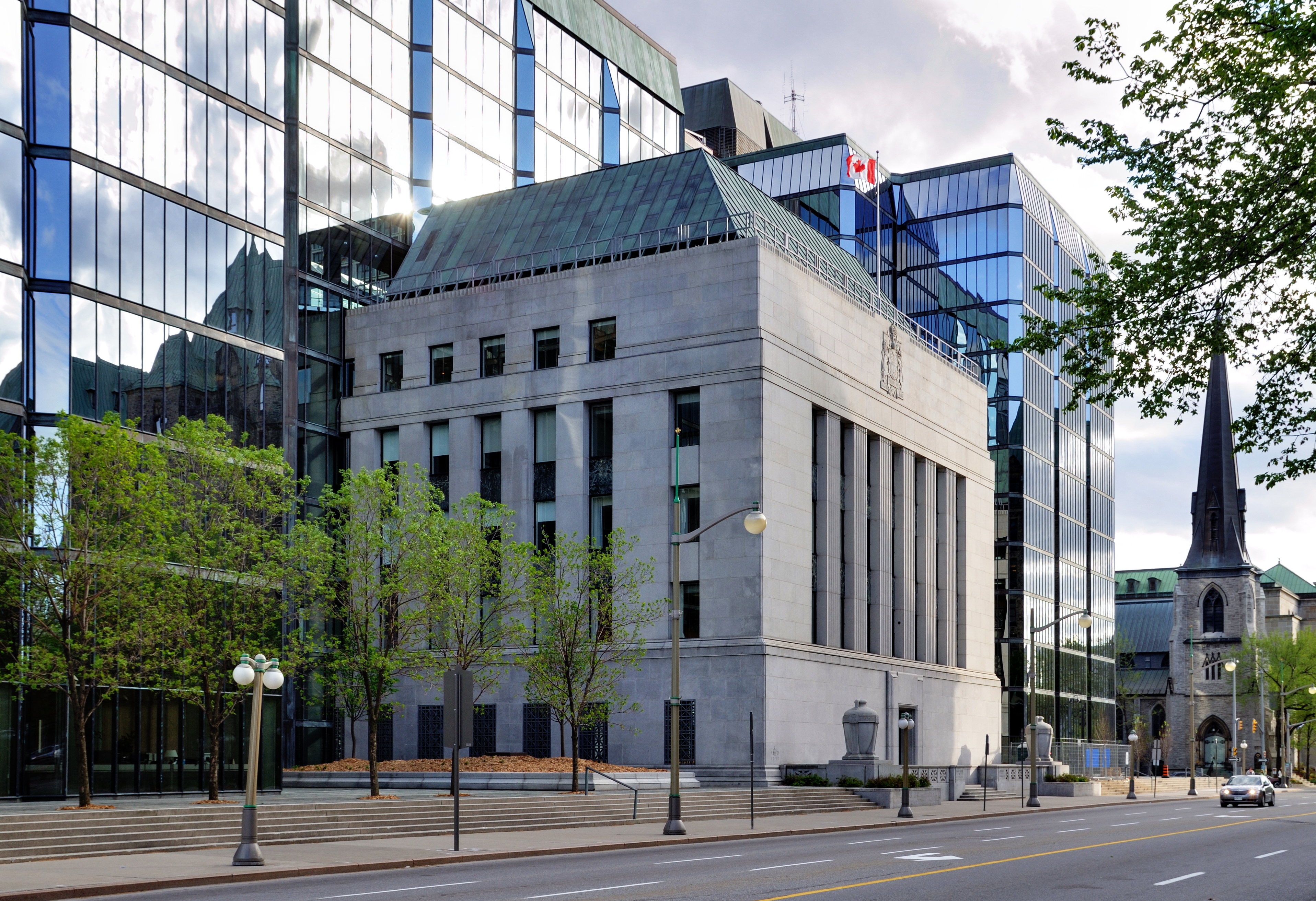
The bank's headquarters in Ottawa continues to monitor global energy trends and domestic growth metrics to determine when a rate adjustment may be appropriate. For now, the priority remains a steady hand to prevent a formal recession while addressing the underlying weakness in the economy.
“The economy may be weak, but it is not in a recession.”
The Bank of Canada's decision to maintain the 2.25% rate suggests a 'wait-and-see' approach. By avoiding a rate hike, the bank is attempting to support a weak economy, but by avoiding a cut, it is guarding against inflation driven by high energy prices. This stalemate indicates that the central bank does not yet see a clear path toward recovery or a definitive signal that inflation is sufficiently controlled to justify lower borrowing costs.



