
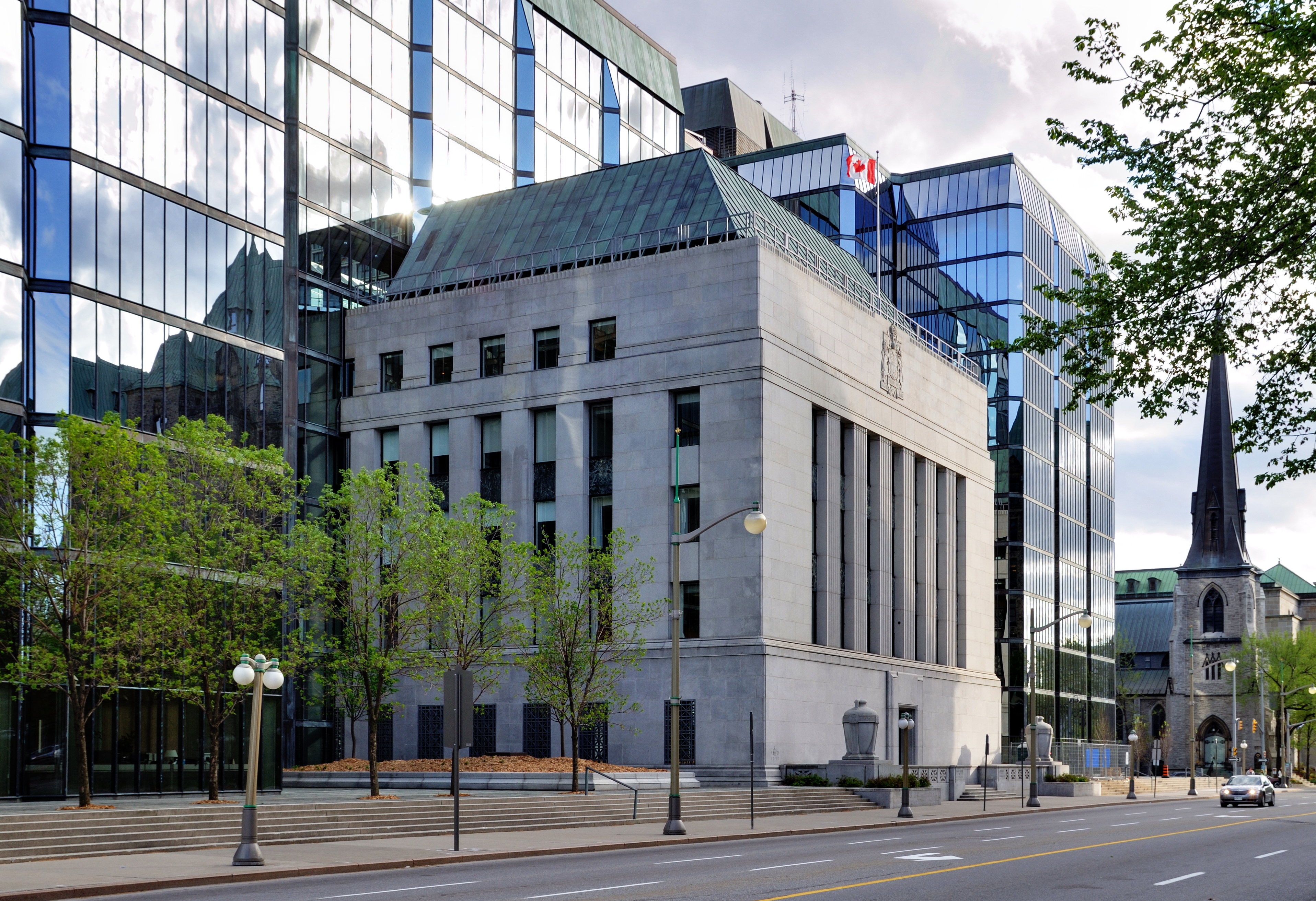
The Bank of Canada held its key policy interest rate at 2.25% [1] on June 10, 2026.
This decision marks the fifth consecutive time [2] the central bank has kept the rate steady. The hold reflects a precarious balancing act for policymakers who must combat inflation while supporting a sluggish domestic economy.
Governor Tiff Macklem said the bank remains committed to keeping inflation low and stable over time. The decision comes as Canada faces a combination of weak economic growth and high energy prices. Officials said global oil-price shocks are a primary driver of current inflationary pressures [3].
Beyond energy, the bank is monitoring several competing risks. These include geopolitical tensions, and uncertainty regarding trade with the U.S. [3]. Despite these headwinds, Macklem said he sought to provide a baseline of stability regarding the national economic outlook.
"The economy may be weak, but it is not in a recession," Macklem said [4].
The central bank's reluctance to cut rates despite slow growth suggests that inflation targets remain the priority. By maintaining the 2.25% [1] rate, the bank is attempting to prevent price spikes from becoming embedded in the economy, even as borrowing costs remain a burden for consumers and businesses.
“The Bank of Canada held its key policy interest rate at 2.25% on June 10, 2026.”
The Bank of Canada is currently facing a policy dilemma where traditional tools are in conflict. While weak economic growth typically triggers rate cuts to stimulate spending, stubborn inflation driven by external oil shocks and U.S. trade volatility necessitates a restrictive stance. By holding the rate for five consecutive meetings, the bank is signaling that it views price stability as a prerequisite for long-term growth, even at the risk of prolonging economic stagnation.


