Banksy installed a massive bronze statue in central London on Sept. 8, 2025 [1].
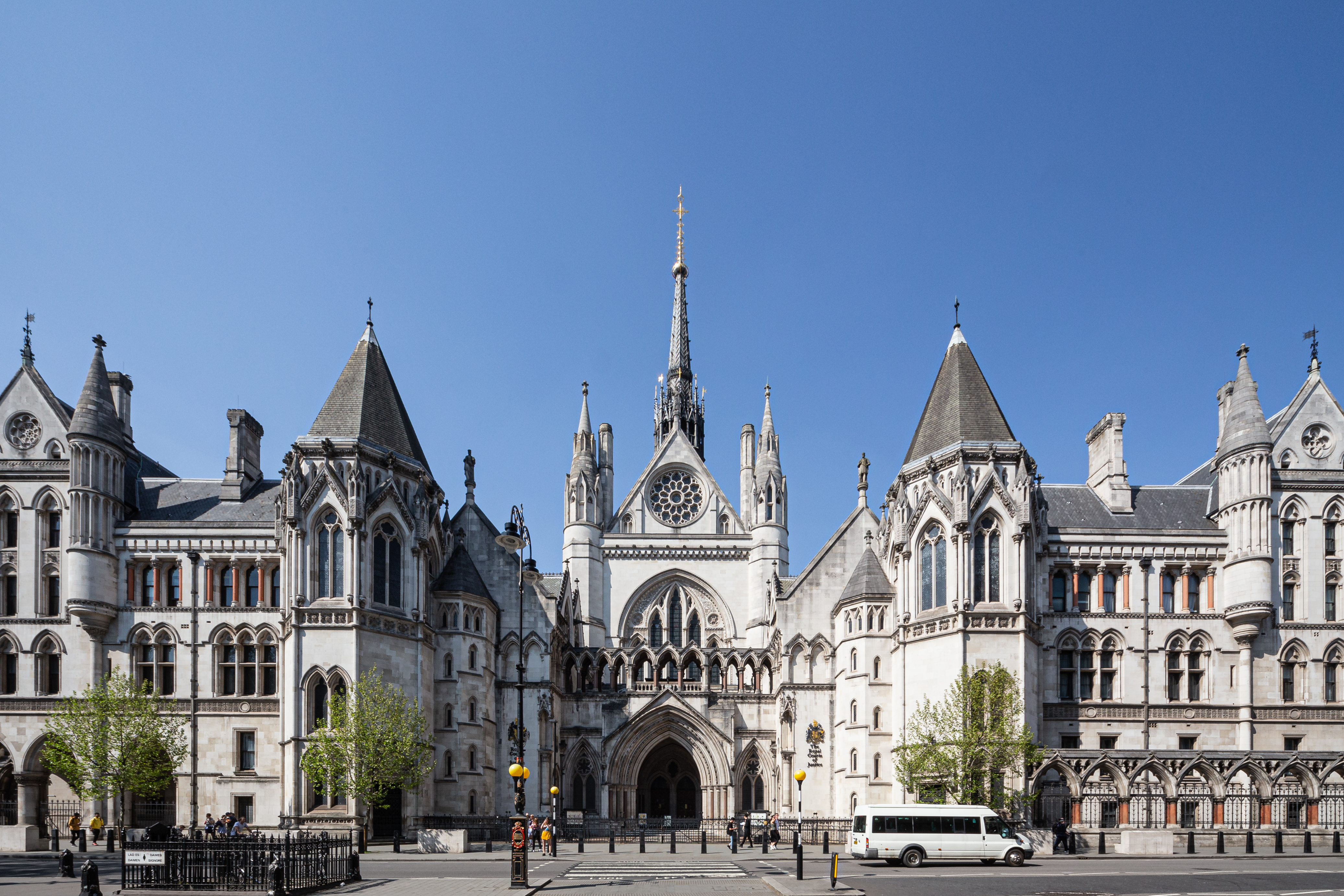
The artwork appeared in an area featuring statues from the British Empire era near the Royal Courts of Justice [2]. By placing a contemporary piece among colonial monuments, the artist challenges the historical narrative of the city's legal and imperial center.
The statue depicts a figure whose face is entirely covered by a national flag [2]. This design choice prevents the figure from seeing the path ahead, which observers said is a commentary on blind patriotism [2]. The placement of the work in a district defined by imperial military figures further emphasizes a critique of imperialism [2].
Banksy shared the work via his Instagram account on the day of its appearance [3]. The sudden arrival of the piece drew immediate attention to the intersection of national identity and historical memory in the heart of the UK capital.
Despite the reports of the statue, other accounts of the artist's activity in the area have varied. Some reports described a mural on the wall of the Royal Courts of Justice depicting a judge with a gavel [3]. Other accounts mentioned a separate mural in the Bayswater district featuring two children lying on the ground [4].
Because the artist remains anonymous, the specific intent behind the bronze figure is not officially documented. However, the visual evidence of the flag obscuring the figure's vision serves as the primary basis for the interpretation of blind nationalism [2]. The contrast between the new installation and the surrounding traditional monuments highlights the ongoing tension between imperial legacy, and modern social critique.
“The statue depicts a figure whose face is entirely covered by a national flag.”
The installation reflects Banksy's recurring theme of questioning institutional power. By placing a symbol of 'blind' patriotism amidst the monuments of the British Empire, the artist forces a confrontation between the glorification of the imperial past and the perceived dangers of unchecked nationalism in the present.


