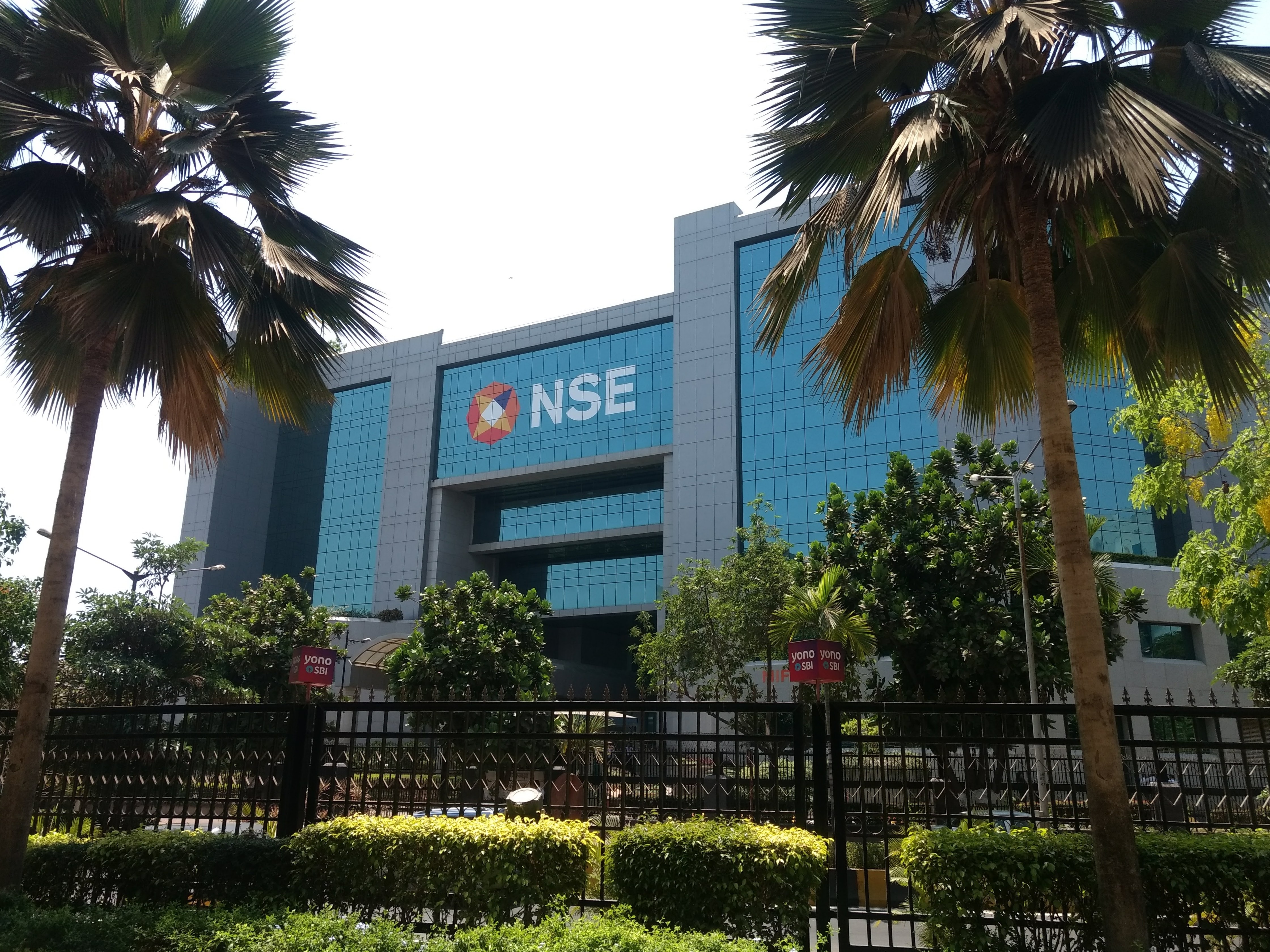
Pranav Bansal, the managing director and CEO of Bansal Wire Industries, sold approximately 3% of the company's shares on June 25, 2024 [2, 4].
This transaction ensures the stainless-steel wire manufacturer complies with the Securities and Exchange Board of India (SEBI) Minimum Public Shareholding (MPS) norms. Failure to meet these requirements can lead to regulatory penalties, though SEBI has recently offered temporary relief to some companies struggling with compliance [3].
Bansal said the move was a "promoter stake sale to meet minimum public shareholding norms" [1]. While some reports cited a 3% sale, other data indicates the exact stake sold was 2.99% [1, 2].
Beyond regulatory compliance, the company is focusing on aggressive growth through new product lines and infrastructure. Bansal said a new product aimed at tyre companies is expected to generate annual revenue between ₹250 crore and ₹300 crore [1].
The company is also investing in long-term capacity. A new facility is projected to bring in revenue between ₹2,500 crore and ₹3,000 crore within five to seven years [1]. This expansion suggests a strategy of diversifying the company's industrial output while maintaining a clean regulatory standing with Indian market authorities.
Bansal Wire Industries operates in the competitive stainless-steel sector, where maintaining public float is essential for liquidity and listing stability on Indian exchanges. By reducing the promoter's holding, the company aligns itself with the broader market requirements for public companies in India.
“Promoter stake sale to meet minimum public shareholding norms.”
The sale of shares by Pranav Bansal is a corrective measure to avoid regulatory friction with SEBI. By satisfying the Minimum Public Shareholding norm, the company removes a potential legal hurdle, allowing it to focus on its high-growth projections for tyre-company products and new facility expansions without the threat of penalties.