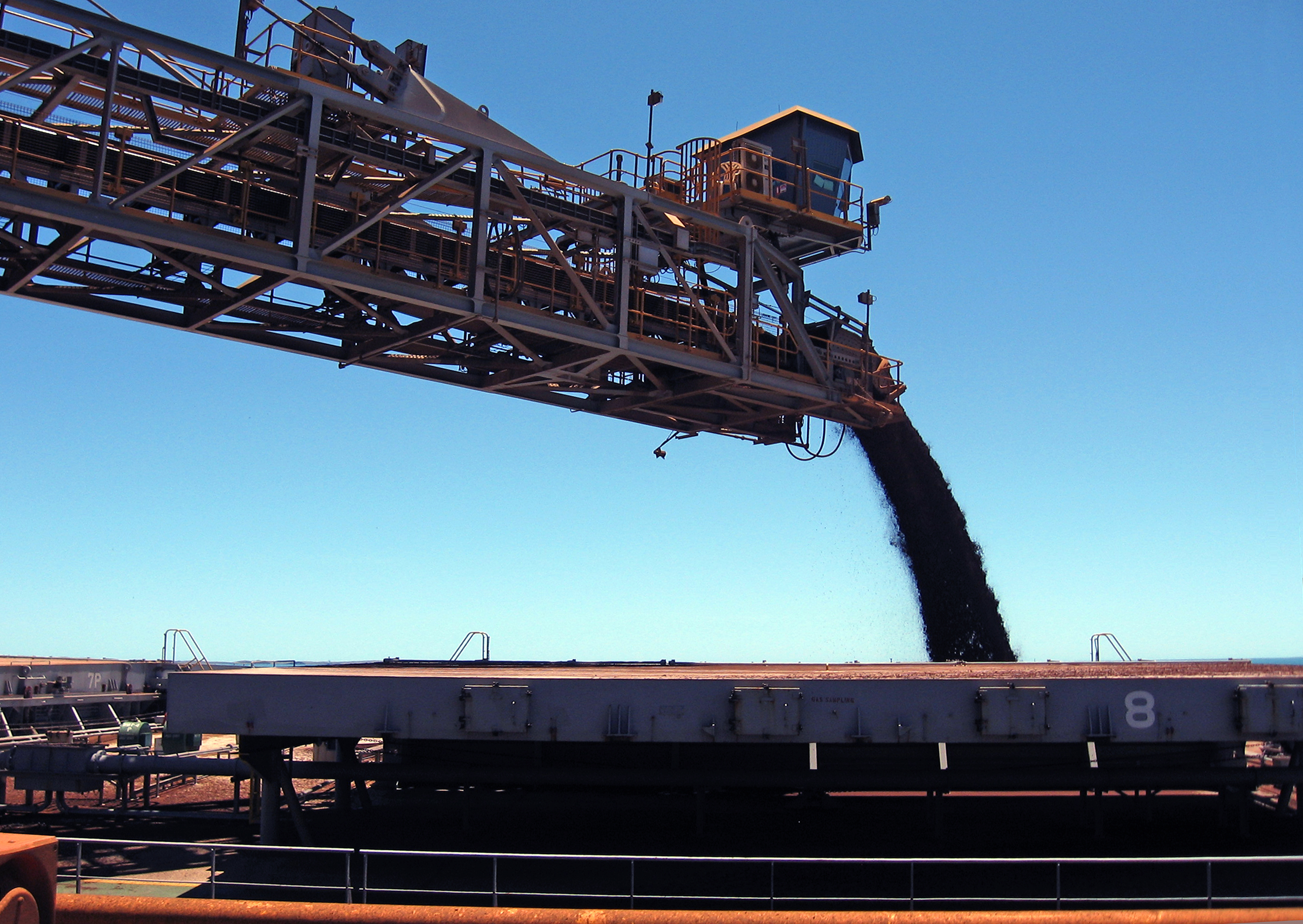
Recent market reports highlight shifting dynamics for basic materials companies, including Rio Tinto, YYY, and Air Liquide [1].
These fluctuations matter because the basic materials sector serves as the foundation for global manufacturing and agriculture. Instability in these markets often signals broader economic shifts or supply chain disruptions that affect consumer prices worldwide.
Industry analysts are closely monitoring the global fertilizer market, which is currently facing significant pressure. Bruce Bodine said, "The global fertilizer market was already stretched" [3]. This strain suggests that supply levels may struggle to meet existing demand, potentially leading to increased costs for agricultural producers.
The reports, published via Dow Jones Newswires, provided updates at 4:20 ET, 12:20 ET, and 16:50 ET [3]. These frequent updates reflect the volatility of the sector and the need for real-time data for investors and stakeholders.
Companies like Rio Tinto and Air Liquide remain central to these discussions as they navigate the complexities of raw material extraction and industrial gas production [1]. The intersection of these materials and the agricultural sector creates a ripple effect across the global economy, affecting everything from mining output to food security.
Market participants are also tracking specific timing markers, such as the 1153 ET update [3], to gauge immediate reactions to news flow. The ongoing nature of these market talks indicates a period of high sensitivity to geopolitical and economic data points.
“The global fertilizer market was already stretched.”
The current pressure on the fertilizer market, combined with the volatile trading of basic materials companies like Rio Tinto, suggests a tightening of global supply chains. When foundational materials are 'stretched,' it typically leads to inflationary pressure on downstream products, particularly in the food and construction sectors, indicating a period of instability for global commodity pricing.


