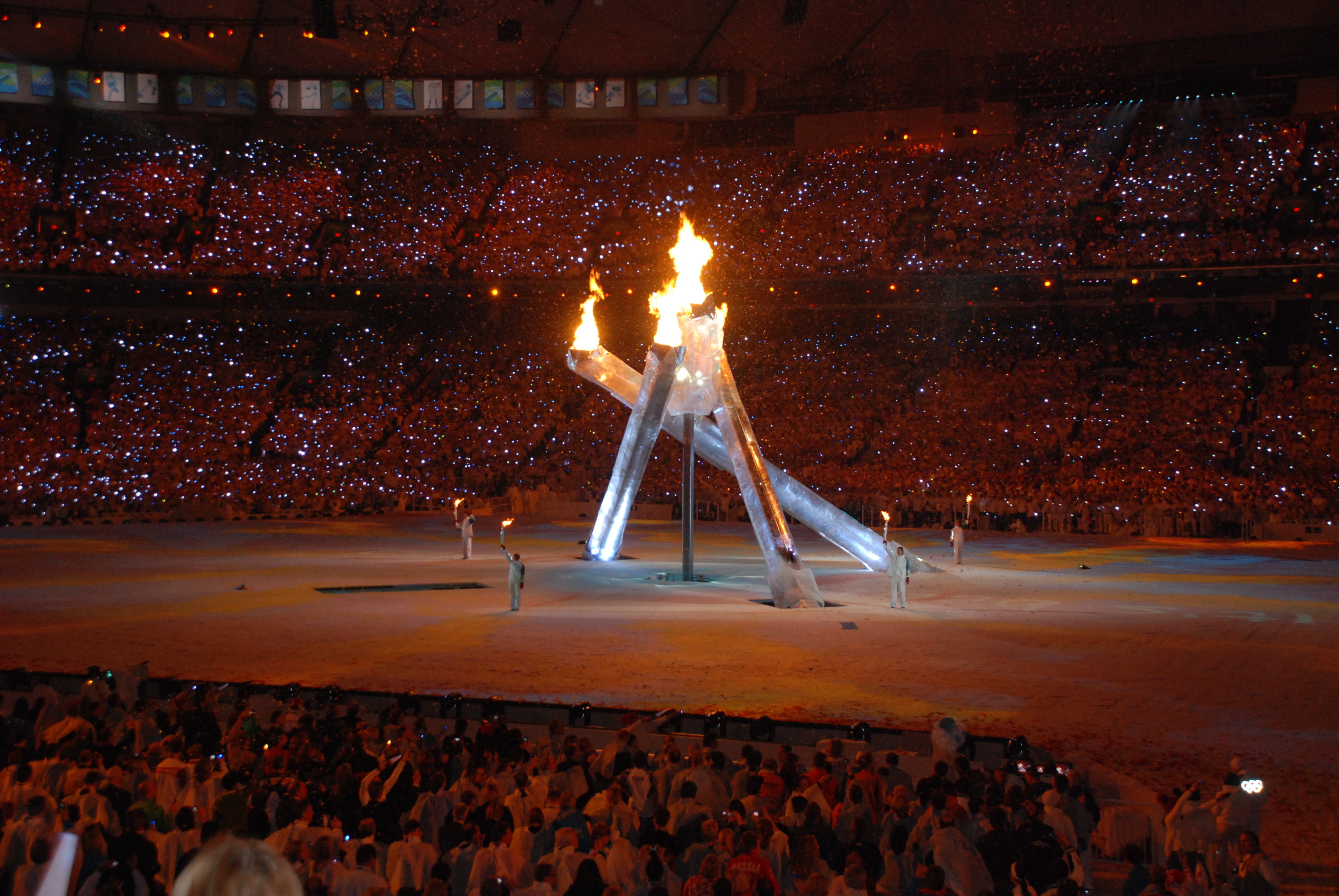
BC Place officials are upgrading the Vancouver stadium with a temporary grass playing surface and new elevators to prepare for the 2026 FIFA World Cup [1, 2].
These modifications ensure the venue meets strict international standards for the tournament. Because the stadium serves as a primary hub for the event in Canada, these changes are necessary to accommodate global athletes and high-capacity crowds.
Stadium authorities are removing branding for the Vancouver Whitecaps and BC Lions to comply with FIFA's neutrality rules [3]. The tournament requirements mandate that host venues remain free of permanent local club logos during the competition. This transition marks a shift from the venue's role as a multi-purpose local arena to a temporary international stage.
BC Place is scheduled to host seven World Cup matches [4]. Among these, the stadium will host at least two matches featuring the Canadian national team [5]. To facilitate these events, the facility is installing a temporary grass surface over its existing turf, as FIFA requires natural grass for all tournament play [1, 2].
Infrastructure improvements extend beyond the pitch. Officials are adding new elevators to improve accessibility and flow within the aging facility [2]. These upgrades are being finalized as the tournament approaches. While some reports indicate the event is about eight months away [6], other tracking puts the countdown at 185 days until kickoff [7].
Vancouver's role as a host city involves significant logistical coordination. The stadium upgrades are part of a broader effort to ready the city's infrastructure for the influx of international visitors. The removal of local branding, and the installation of specialized surfaces, represent the final stages of the venue's transformation into a FIFA-certified site [1, 3].
“BC Place is scheduled to host seven World Cup matches”
The transition of BC Place from a multi-sport local venue to a FIFA-compliant stadium highlights the tension between permanent infrastructure and the temporary, rigid requirements of global sporting bodies. By utilizing a temporary grass surface and removing permanent branding, Vancouver avoids the cost of a permanent stadium rebuild while ensuring the city can leverage the economic and cultural boost of hosting a premier international event.


