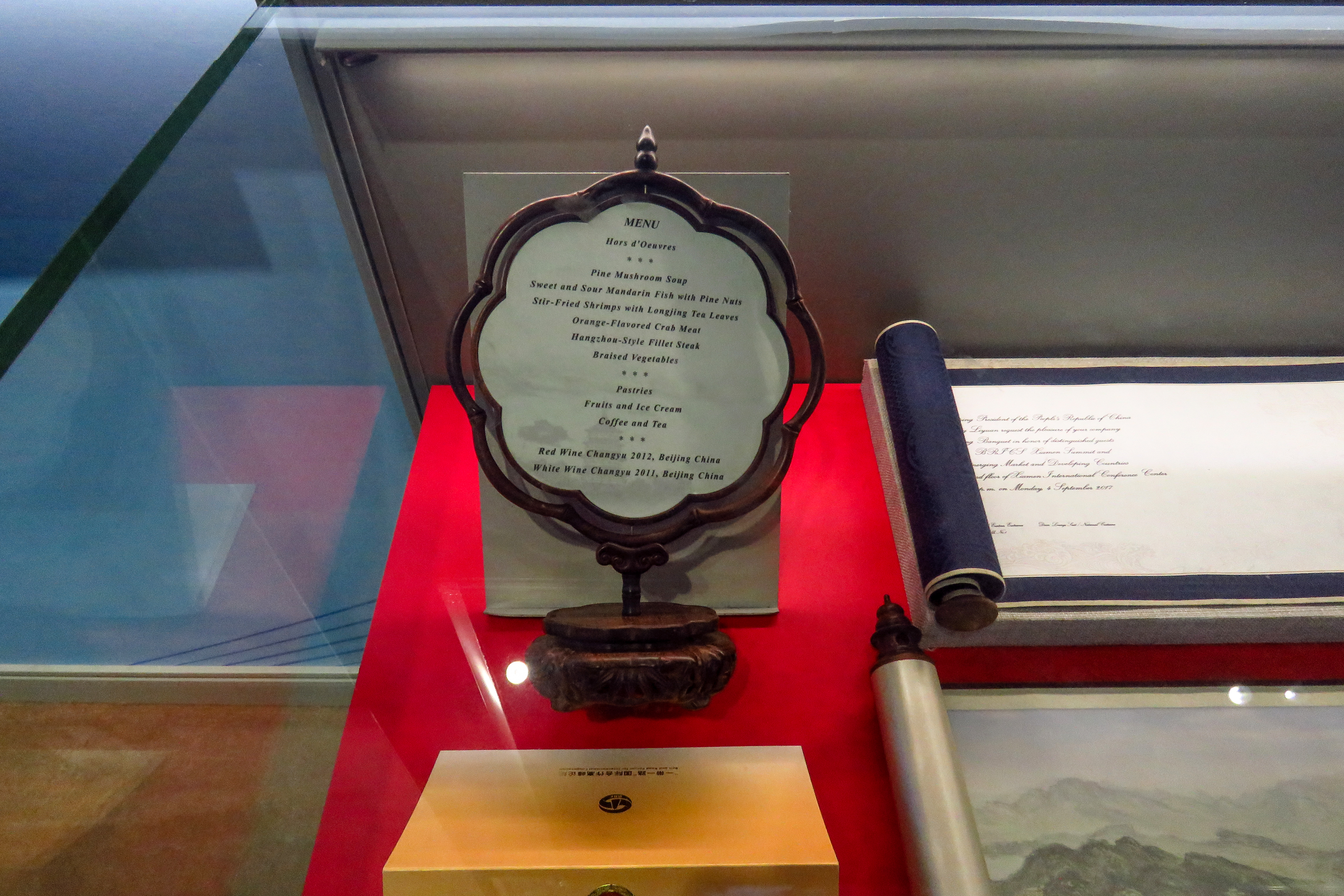
Luo Chenglin, the executive chef of the Yangzhou Banquet restaurant in Beijing, prepares state dinners for foreign dignitaries to showcase Chinese soft power [1, 2].
These culinary efforts serve as a strategic diplomatic tool. By using high-end cuisine to project culture and influence abroad, the Chinese government aims to build international goodwill and prestige through a curated gastronomic experience [1, 2].
Operating from the Yangzhou Banquet restaurant in Beijing, Chenglin manages the intricate process of designing menus that align with diplomatic goals [1, 2]. The selection of ingredients and the presentation of dishes are calculated to reflect the nation's heritage and modern capabilities, elements that are central to the concept of soft power [1, 2].
This approach to diplomacy focuses on the sensory experience of the guest. The meals are not merely sustenance but are intended as cultural ambassadors that communicate the values and sophistication of the state [1, 2].
On May 14, 2026, the role of these diplomatic kitchens was highlighted as a primary method for China to engage foreign leaders [2]. The process involves meticulous planning to ensure that every plate contributes to the overarching goal of international influence [1, 2].
“Luo Chenglin prepares state dinners for foreign dignitaries to showcase China's soft power through cuisine.”
The use of 'gastrodiplomacy' allows a state to communicate political messages and cultural superiority in a non-confrontational setting. By integrating national identity into the dining experience, China leverages the universal appeal of food to soften its international image and build rapport with global leaders outside of formal negotiation rooms.


