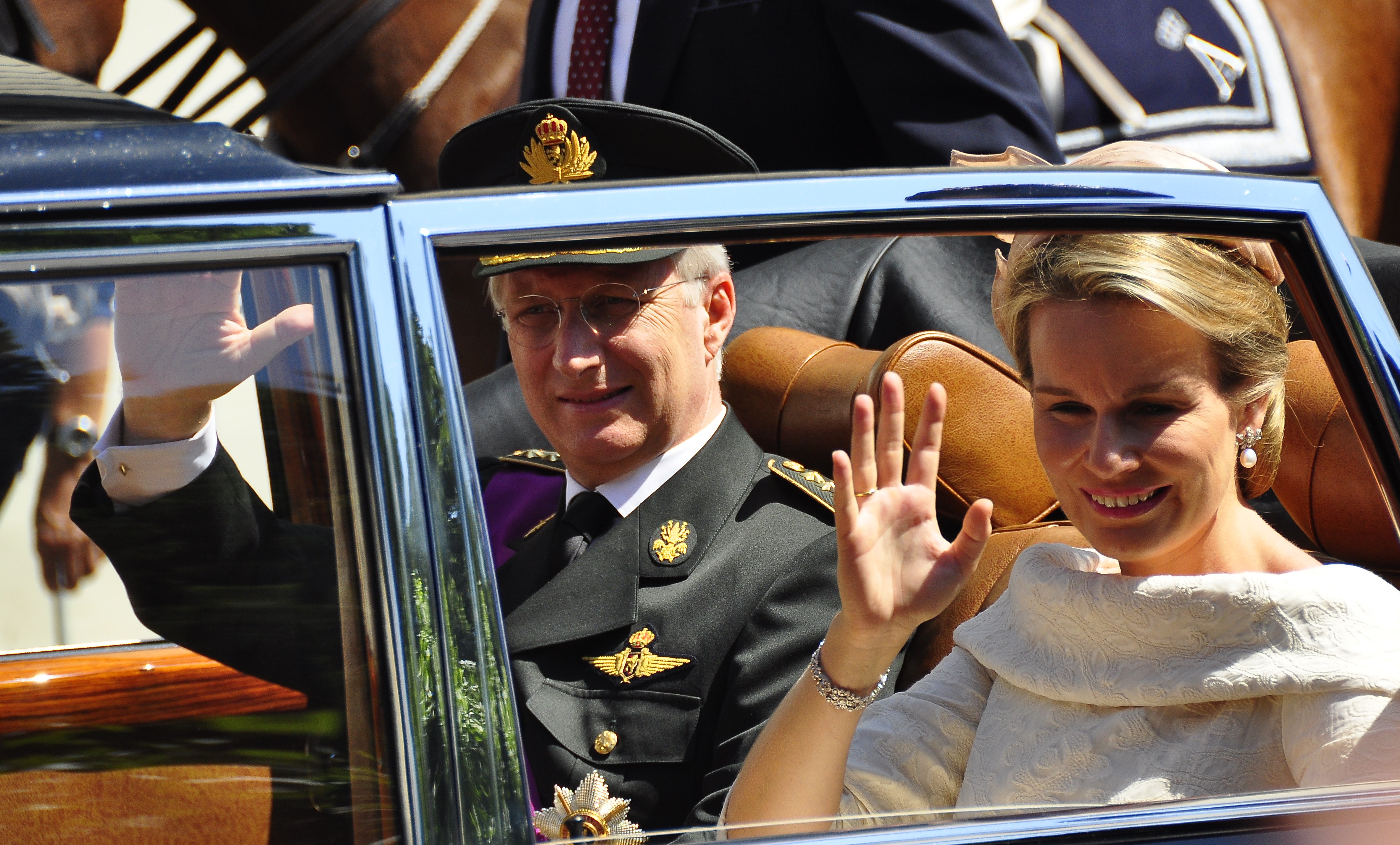
King Philippe and Queen Mathilde of Belgium welcomed Emperor Naruhito and Empress Masako of Japan at the Royal Palace of Brussels [1, 2].
The state visit underscores the diplomatic ties between the two nations and emphasizes the ceremonial role of monarchy in international relations. Such receptions serve as high-level platforms for strengthening bilateral cooperation, and cultural exchange.
The arrival of the Japanese imperial couple at the royal palace was marked by a formal reception [1, 2]. This state-level engagement follows established diplomatic protocols intended to foster goodwill between the Belgian and Japanese governments. The gathering at the palace in Brussels represents a significant moment of visibility for both royal houses.
While the specific agenda for the visit was not detailed in the initial reports, the event focused on the traditional welcome ceremonies associated with state guests [1, 2]. The interaction between King Philippe and Emperor Naruhito highlights the continued importance of royal diplomacy in the 21st century, a practice that often precedes more technical political negotiations.
Officials at the Royal Palace of Brussels coordinated the event to ensure all protocol requirements for the visiting Emperor and Empress were met [1, 2]. The presence of Queen Mathilde and Empress Masako further emphasizes the role of royal consorts in facilitating international diplomacy during these official visits.
Observers said the reception was conducted with the full honors typically reserved for heads of state [1, 2]. The event serves as a symbolic gesture of friendship between the two nations, maintaining a bridge of communication through the prestige of their respective crowns.
“King Philippe and Queen Mathilde of Belgium welcomed Emperor Naruhito and Empress Masako of Japan.”
This state visit reinforces the strategic and symbolic partnership between Belgium and Japan. By utilizing the prestige of the monarchy, both nations signal a commitment to stable, long-term diplomatic relations that transcend immediate political cycles, facilitating smoother economic and cultural cooperation.


