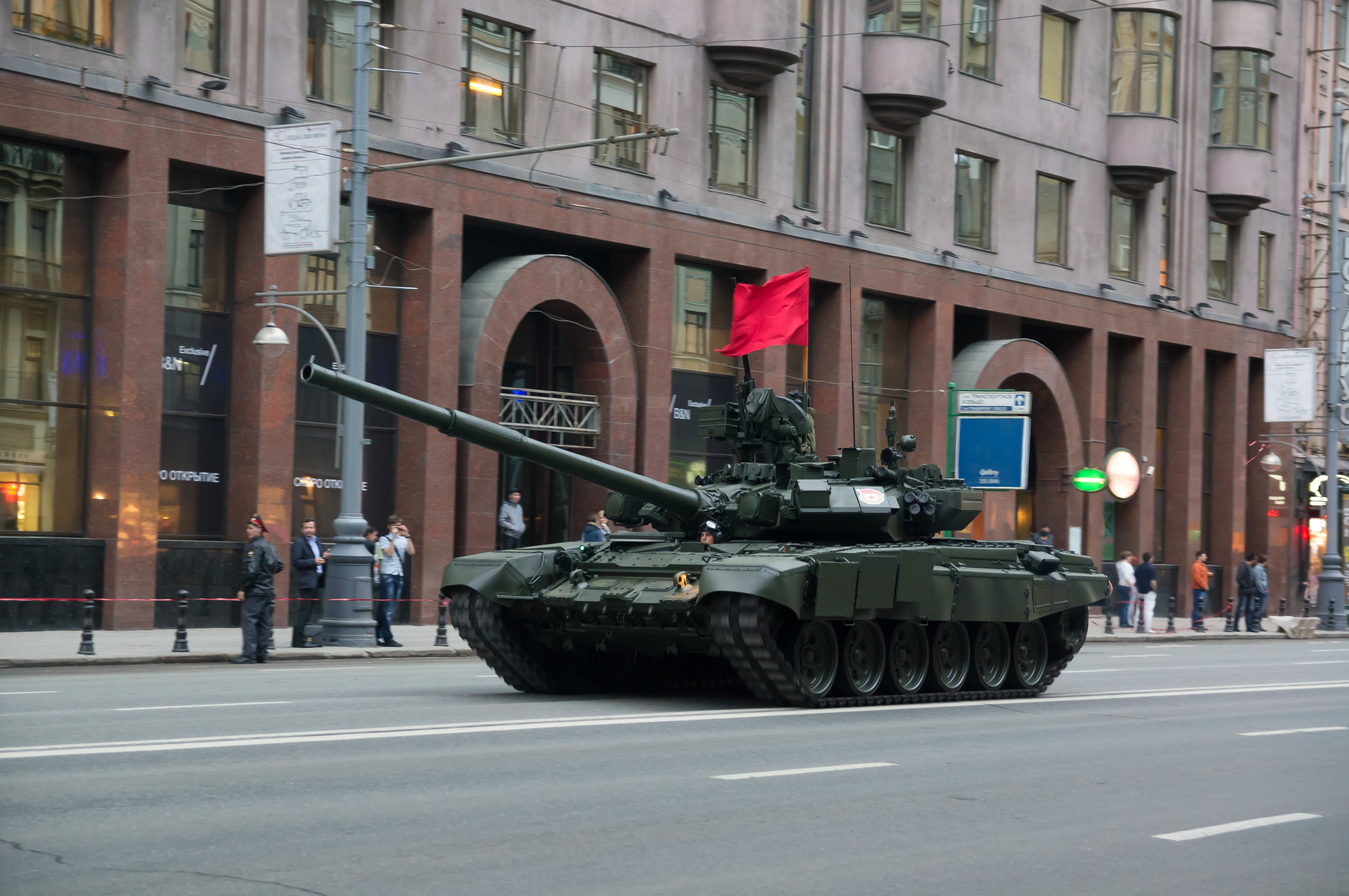
Former U.S. Army Europe commander Ben Hodges said the lack of military equipment at the May 9 [1] parade in Moscow could be a strategic trap.
Hodges said the Kremlin may be intentionally hiding its military reserves to deceive observers. This absence of hardware could signal the existence of secret assets that Russia intends to deploy in future offensive operations.
Speaking in an interview broadcast on the 1+1 channel as part of the "United News" telemarathon, Hodges said the implications of the Moscow parade held on May 9, 2026 [1]. He said the decision to omit heavy machinery from the public display is an unusual move that warrants scrutiny.
Beyond the parade, Hodges said potential offensive actions involving Belarus are a risk. He said Russia might be preparing a coordinated move with its ally to escalate the conflict. The former commander described these possibilities as "secret trumps" that the Russian leadership may be holding in reserve for a surprise maneuver.
According to Hodges, the psychological element of the parade is designed to project a specific image while masking actual operational capabilities. By removing visible equipment, the Russian military avoids giving intelligence agencies a current inventory of available hardware.
This strategic ambiguity allows the Kremlin to maintain flexibility in its deployment plans. Hodges said the risk of a new offensive push from the Belarusian border remains a critical concern for regional security.
“The lack of military equipment at the May 9 parade in Moscow could be a strategic trap.”
The analysis suggests that Russia is shifting from public displays of strength to strategic concealment. By omitting hardware from its traditional Victory Day celebrations, the Kremlin may be attempting to obscure its actual combat readiness and reserve levels. This tactical secrecy, combined with the potential for Belarusian involvement, indicates a shift toward unpredictable offensive planning intended to keep Western intelligence off-balance.


