
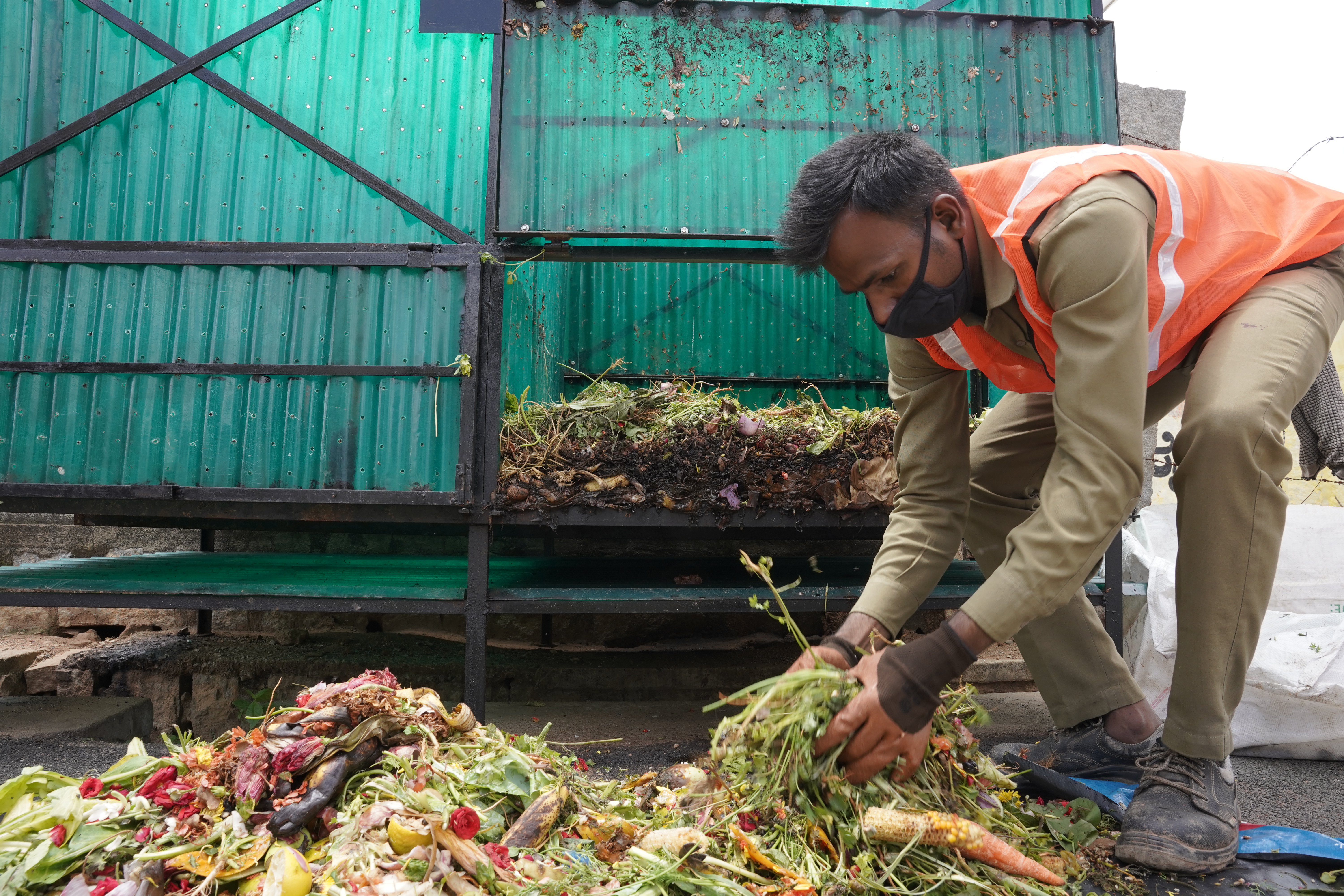
Neo San will install on-site sanitary and biomedical waste processing units across Bengaluru in partnership with the Greater Bengaluru Authority and the Government of Karnataka [1].
This initiative addresses the critical need for localized waste management in a rapidly growing urban center. By processing hazardous materials on-site, the city can reduce the risks associated with transporting biomedical waste through densely populated areas.
The project involves the deployment of "Neo-X" smart-bins [1]. These units are designed to handle sanitary and biomedical waste at the point of generation, preventing the contamination of general waste streams. The installation of these units is scheduled to take place over the next few months [1].
This deployment is part of a broader initiative led by the World Economic Forum to improve how Bengaluru manages its specialized waste [1]. The collaboration between a local clean-technology startup and government bodies aims to integrate smart technology into the city's public health infrastructure.
The partnership combines the technical capabilities of Neo San with the administrative reach of the Greater Bengaluru Authority, and the Karnataka government [1]. This structure allows for a scalable rollout across various institutions throughout the city.
By utilizing smart-bin technology, the city intends to create a more efficient system for tracking and treating hazardous waste. This approach minimizes the environmental footprint of biomedical disposal, and enhances the safety of sanitation workers who typically handle these materials.
“Neo San will install on-site sanitary and biomedical waste processing units across Bengaluru”
The shift toward on-site processing represents a transition from centralized waste management to a decentralized model. By treating biomedical waste at the source, Bengaluru reduces the logistical burden and biological hazards of transporting infectious materials across the city, potentially serving as a blueprint for other high-density urban centers in India.


