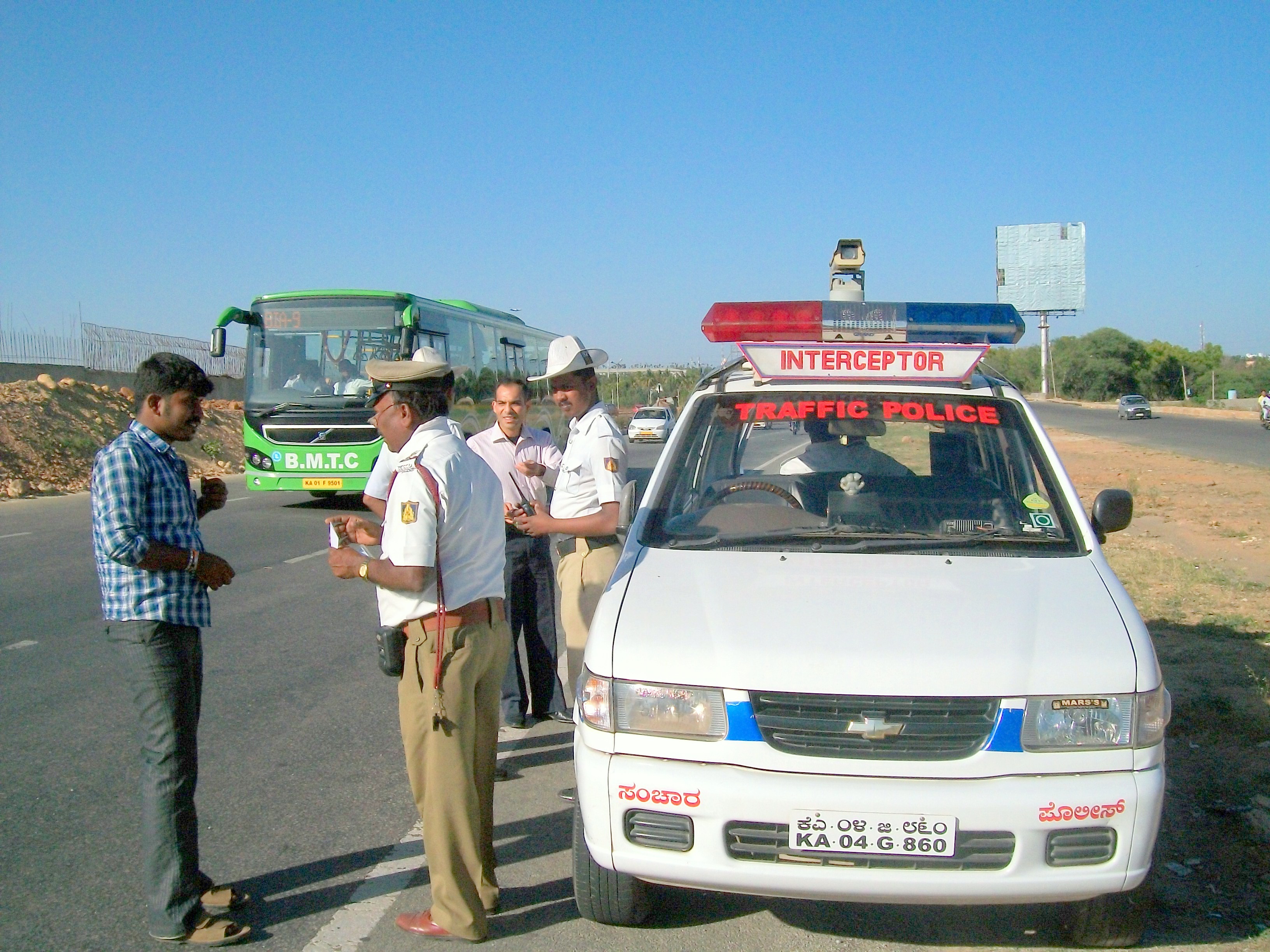
The Bengaluru Traffic Police received five electric patrolling vehicles to enhance city operations and improve safety [1].
This transition to electric mobility in police patrols represents a shift toward sustainable urban enforcement. By reducing reliance on internal combustion engines, the department can lower operational costs and minimize the environmental impact of constant patrolling in high-traffic areas.
The vehicles were donated by Numerous Motors as part of a Corporate Social Responsibility initiative [1]. This partnership allows the police department to modernize its fleet without utilizing public funds for the initial acquisition of the units.
Reports said the addition of these five vehicles [1] is intended to help the force manage the city's complex traffic flow more effectively. The electric units provide a quieter and more efficient means of navigating congested streets, allowing officers to respond to incidents with less disruption to the surrounding environment.
An official said the vehicles were donated by Numerous Motors under a CSR initiative for improved safety [1]. The integration of these vehicles into the daily rotation of the Bengaluru Traffic Police is expected to streamline patrol routes and increase the visibility of law enforcement across various sectors of the city.
While the fleet size is currently limited to five units [1], the move serves as a pilot for how corporate partnerships can support municipal infrastructure. The use of electric vehicles in police work aligns with broader regional goals to reduce urban pollution and carbon emissions in major metropolitan hubs.
“Bengaluru Traffic Police receive five electric patrolling vehicles”
The deployment of electric vehicles by the Bengaluru Traffic Police highlights a growing trend of using Corporate Social Responsibility (CSR) funds to bridge gaps in public infrastructure. By leveraging private sector donations for green technology, the city can test the viability of electric fleets in high-stress urban environments before committing to larger, taxpayer-funded transitions.