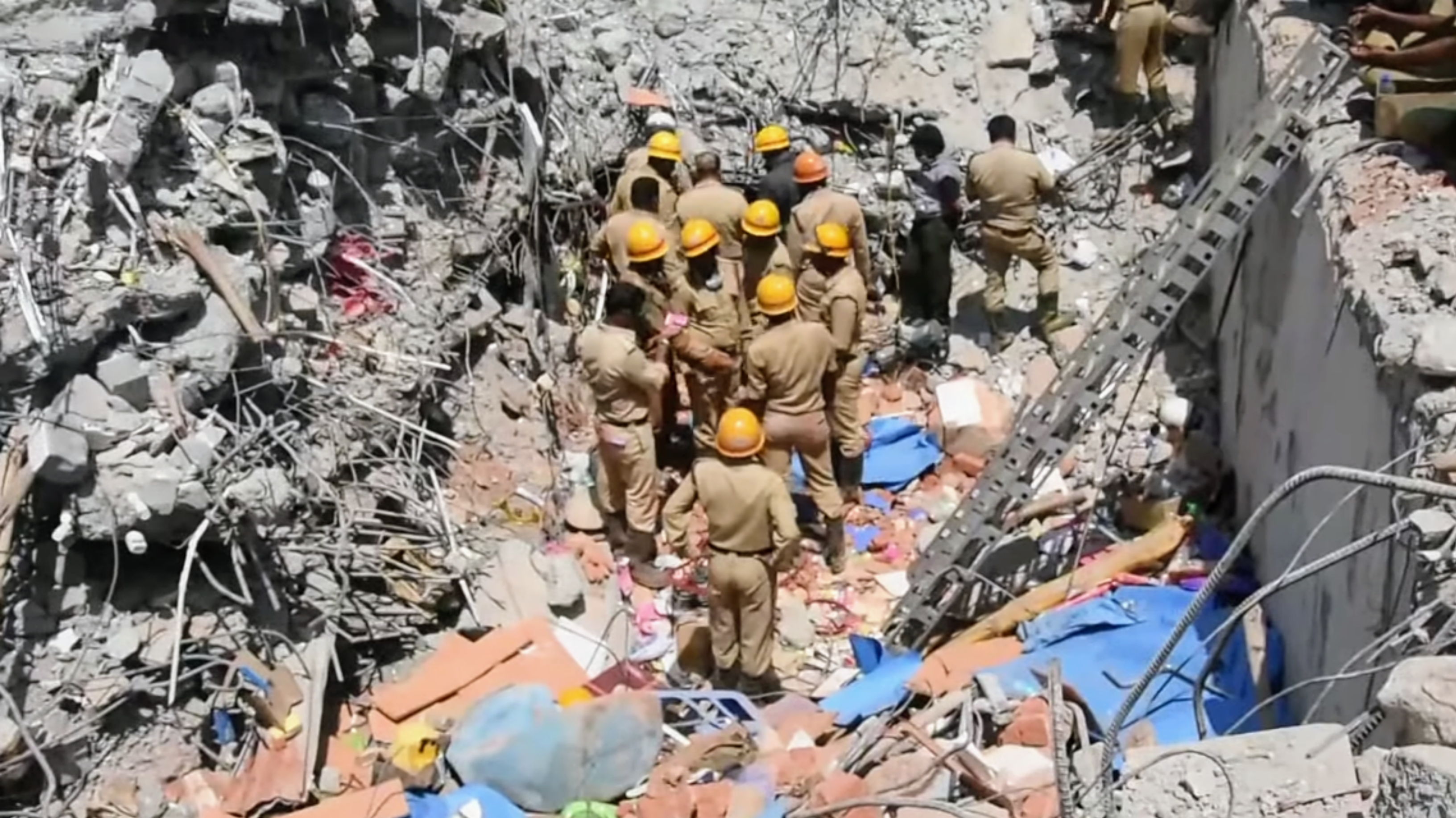
Seven people died after a compound wall collapsed in Bengaluru on April 29, 2026 [1].
The incident has sparked public outcry over urban infrastructure safety and municipal oversight in one of India's fastest-growing cities.
The collapse occurred near the Bowring and Lady Curzon Hospital [1]. Emergency responders and local authorities arrived at the scene to recover the victims and secure the perimeter. The tragedy has led to immediate demands for accountability from the state government.
Deputy Chief Minister DK Shivakumar visited the site of the collapse to assess the damage [1]. His visit came amid growing tension as residents expressed frustration over the condition of the city's public structures.
Members of the public said that serious safety lapses led to the tragedy [2]. Local residents have called for a thorough investigation into why the wall failed and whether warnings about the structure's integrity were ignored by officials [2].
The death toll stands at seven [1]. Authorities have not yet released a formal technical report on the cause of the structural failure, but the focus remains on the alleged negligence cited by witnesses [2].
Government representatives have not detailed the specific compensation packages for the families of the deceased. The visit by the Deputy Chief Minister is seen as an attempt to manage the public fallout and signal that the administration is addressing the failure [1].
“Seven people died after a compound wall collapsed in Bengaluru”
This incident highlights the critical intersection of rapid urban expansion and aging infrastructure in Bengaluru. The public's immediate focus on safety lapses suggests a systemic lack of trust in municipal maintenance protocols, potentially forcing the Karnataka government to implement stricter building audits to prevent further casualties.


