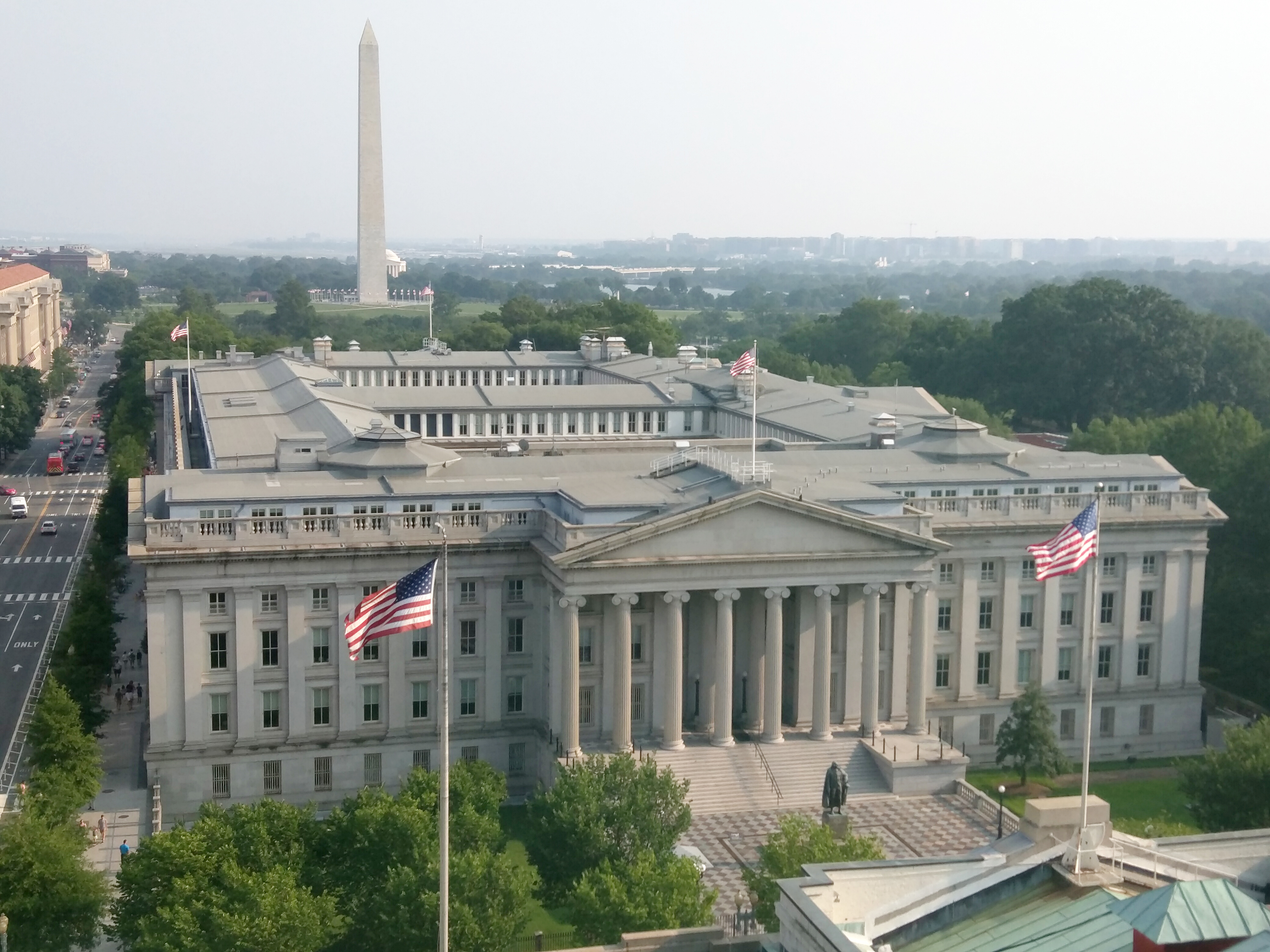
U.S. Treasury Secretary Scott Bessent said the United States must build supply-chain resilience to avoid being at the mercy of foreign chokepoints [1].
This shift toward economic statecraft is intended to prevent adversaries from curtailing vital supplies. By addressing these vulnerabilities, the U.S. aims to ensure that critical infrastructure, and commerce can withstand external shocks and coercion [1, 2].
Speaking at the Economic Club of New York in New York City, Bessent said there is a need for a strategic approach to economic security [1, 3]. He said the nation should not remain vulnerable to entities that could potentially restrict the flow of essential goods [2, 3].
The Treasury Secretary's remarks highlight a broader push for the U.S. to diversify its sources of materials and technology. This strategy focuses on reducing dependencies that could be leveraged by foreign powers during geopolitical disputes [1, 2].
Bessent said the U.S. must employ economic statecraft to identify and mitigate these risks [1, 3]. The goal is to create a robust system where the national economy is no longer susceptible to the whims of a single foreign supplier, or a narrow geographical bottleneck [2, 3].
These comments come as the U.S. continues to evaluate its trade relationships and the security of its industrial base. The administration's focus remains on strengthening the domestic ability to produce and acquire critical components without foreign interference [1, 2].
“the United States should not be at the mercy of a foreign chokepoint”
Bessent's focus on 'economic statecraft' signals a transition from prioritizing low-cost global sourcing to prioritizing security and reliability. By framing supply chains as a matter of national security rather than just trade, the U.S. Treasury is justifying more aggressive interventions in domestic industry and the restructuring of international trade alliances to decouple from adversarial influence.

'%2F%3E%0A%20%20%20%20%3Crect%20width%3D'1600'%20height%3D'900'%20fill%3D'url(%23v)'%2F%3E%0A%20%20%20%20%3Cg%20opacity%3D'0.08'%20fill%3D'%23ffffff'%3E%0A%20%20%20%20%20%20%3Ccircle%20cx%3D'1420'%20cy%3D'180'%20r%3D'220'%2F%3E%0A%20%20%20%20%20%20%3Ccircle%20cx%3D'1500'%20cy%3D'760'%20r%3D'120'%2F%3E%0A%20%20%20%20%3C%2Fg%3E%0A%20%20%20%20%3Cline%20x1%3D'80'%20y1%3D'172'%20x2%3D'220'%20y2%3D'172'%20stroke%3D'%23ffffff'%20stroke-width%3D'3'%20stroke-opacity%3D'0.6'%2F%3E%0A%20%20%20%20%3Ctext%20x%3D'80'%20y%3D'140'%20font-family%3D'Inter%2C%20-apple-system%2C%20Helvetica%2C%20sans-serif'%20font-weight%3D'700'%20font-size%3D'28'%20fill%3D'%23ffffff'%20letter-spacing%3D'6'%3EHANNA%20%C2%B7%20NEWS%3C%2Ftext%3E%0A%20%20%20%20%3Ctext%20x%3D'80'%20y%3D'230'%20font-family%3D'Inter%2C%20-apple-system%2C%20Helvetica%2C%20sans-serif'%20font-weight%3D'600'%20font-size%3D'40'%20fill%3D'%23ffffffb3'%20letter-spacing%3D'4'%3EBUSINESS%3C%2Ftext%3E%0A%20%20%20%20%3Ctext%20x%3D'80'%20y%3D'694'%20font-family%3D'Playfair%20Display%2C%20Georgia%2C%20serif'%20font-weight%3D'800'%20font-size%3D'110'%20fill%3D'%23ffffff'%20letter-spacing%3D'-1'%3EKolkata%20Warehouse%20Collapse%3C%2Ftext%3E%3Ctext%20x%3D'80'%20y%3D'820'%20font-family%3D'Playfair%20Display%2C%20Georgia%2C%20serif'%20font-weight%3D'800'%20font-size%3D'110'%20fill%3D'%23ffffff'%20letter-spacing%3D'-1'%3EKills%20Up%20to%205%20People%3C%2Ftext%3E%0A%20%20%20%20%3Ctext%20x%3D'80'%20y%3D'870'%20font-family%3D'Inter%2C%20-apple-system%2C%20Helvetica%2C%20sans-serif'%20font-weight%3D'500'%20font-size%3D'22'%20fill%3D'%23ffffff66'%20letter-spacing%3D'2'%3Enews.hanna-ai.com%3C%2Ftext%3E%0A%20%20%3C%2Fsvg%3E)
