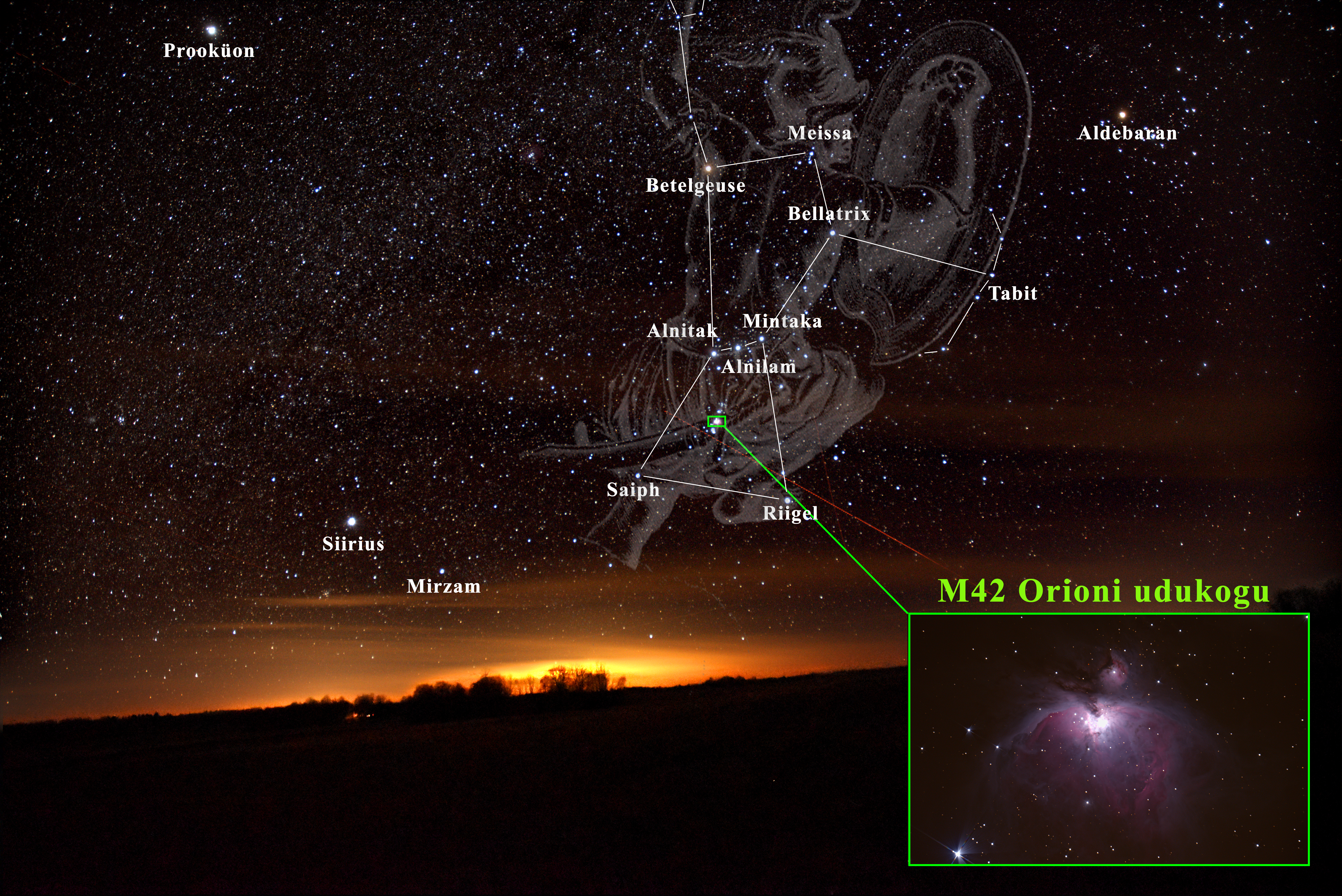
Astronomers have confirmed the existence of a long-suspected hidden companion star orbiting Betelgeuse [1, 2].
This discovery provides a critical explanation for the irregular brightness fluctuations of the red supergiant. Understanding the relationship between these two stars allows scientists to better model how massive stars evolve and eventually die [1, 5].
Betelgeuse, located in the constellation Orion, has long been a subject of intense study due to its unpredictable behavior [1, 4]. For years, researchers suspected the star was not alone, but the primary star's immense size and brightness made detecting a smaller partner difficult. The newly identified companion has been nicknamed "her bracelet" by the research team [5].
The confirmation comes after years of analyzing telescope images and data to isolate the companion's signal from the glare of the supergiant [2, 5]. While some previous theories suggested that Betelgeuse's dimming was caused solely by dust clouds or internal stellar activity, this evidence points to a binary system [1, 4].
This binary nature means the two stars exert gravitational influence on one another. Such interactions can trigger changes in the supergiant's luminosity, and affect the distribution of matter around the star [1, 5]. The discovery shifts the scientific consensus on the nature of one of the most famous stars in the night sky [4].
Researchers said the evidence is the strongest yet that Betelgeuse is not a solitary star [2]. The findings help refine the timeline for when Betelgeuse might eventually undergo a supernova explosion, as the presence of a companion can alter the star's lifecycle [1, 5].
“Astronomers have confirmed the existence of a long-suspected hidden companion star orbiting Betelgeuse”
The transition of Betelgeuse from a suspected solitary star to a confirmed binary system changes how astronomers calculate the mass and stability of the red supergiant. By accounting for the gravitational pull of the companion star, scientists can more accurately predict the star's eventual collapse into a supernova, providing a clearer window into the death cycles of massive stars.


