Jeff Bezos and Lauren Sánchez have sparked a public backlash and boycott campaign after becoming lead sponsors for the 2026 [1] Met Gala.
The controversy highlights a growing tension between the funding of major cultural institutions and the political reputations of the billionaires who provide that capital. Critics argue that high-profile sponsorships allow wealthy individuals to purchase cultural legitimacy while insulating themselves from political criticism.
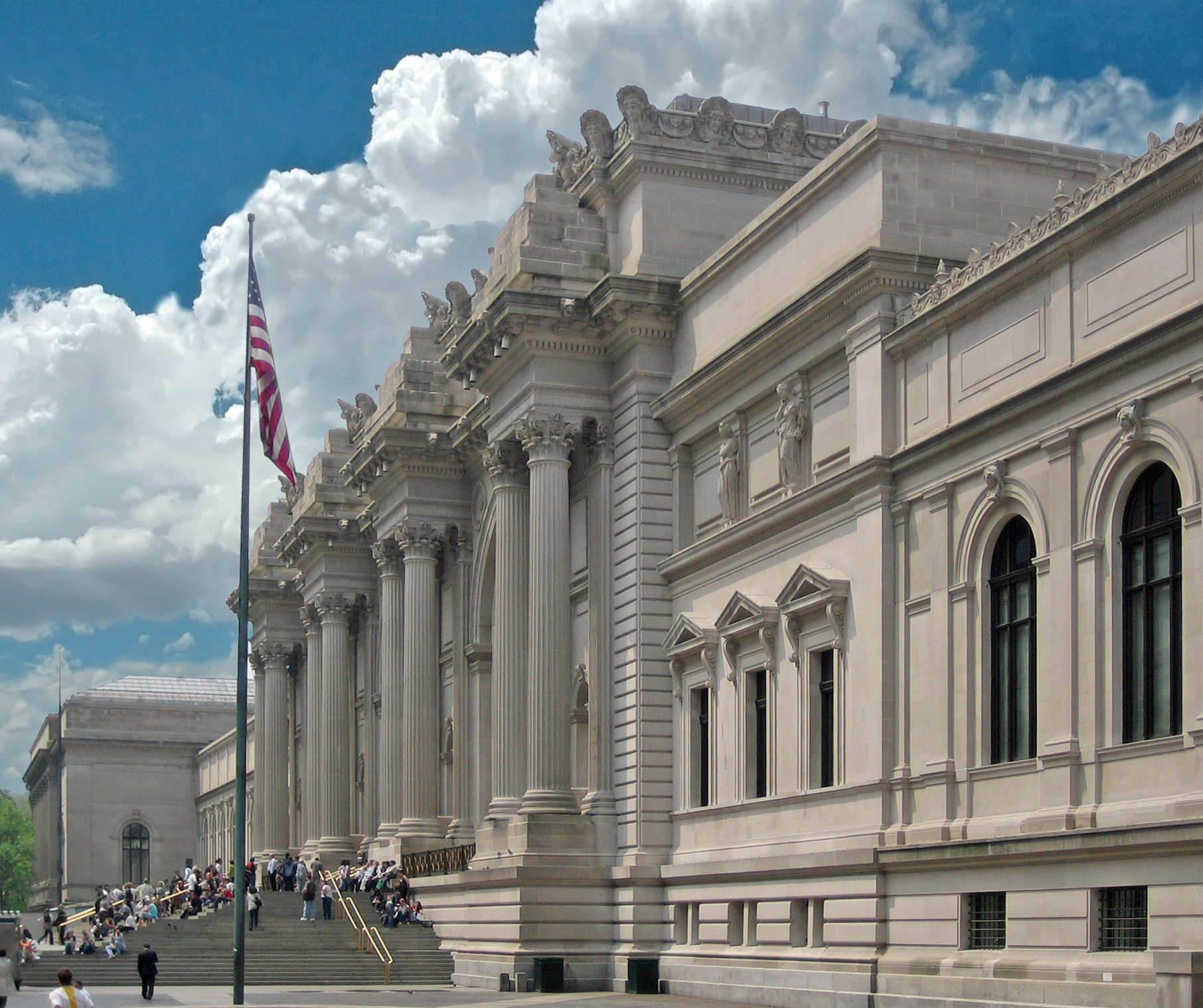
Protest movements have targeted the event at the Metropolitan Museum of Art’s Costume Institute in New York City. Some critics focus on the political conduct of the Amazon founder, specifically his perceived efforts to placate Donald Trump during the president's second term. Nicolle, host of MS NOW, said Bezos is "making CAPITULATION look like an ART FORM."
Other opposition centers on the role of extreme wealth in the arts. The Hollywood Reporter staff said that after the Amazon chief "bought his way to the top of the museum steps," a protest movement organized its own gala to argue that culture was never his to claim.
These tensions have manifested in physical protests, with boycott posters appearing in the city less than one month [2] before the event. The Kit editorial team said the sponsorship of Bezos and Sánchez threatens to tarnish the carefully curated image of Vogue editor Anna Wintour.
While the Met Gala is traditionally a celebration of fashion and art, the 2026 [1] iteration has become a flashpoint for debates over corporate influence. The pushback reflects a broader trend of activists challenging the ethics of billionaire philanthropy within public-facing museums, and galleries.
“"Bezos making CAPITULATION look like an ART FORM"”
The backlash against the 2026 Met Gala sponsorship signifies a shift in how the public views 'philanthropic' contributions to the arts. By linking Bezos's financial support of the museum to his political alignment with the Trump administration, critics are attempting to strip the social prestige usually granted to billionaire donors, suggesting that cultural sponsorship can no longer be separated from political accountability.


