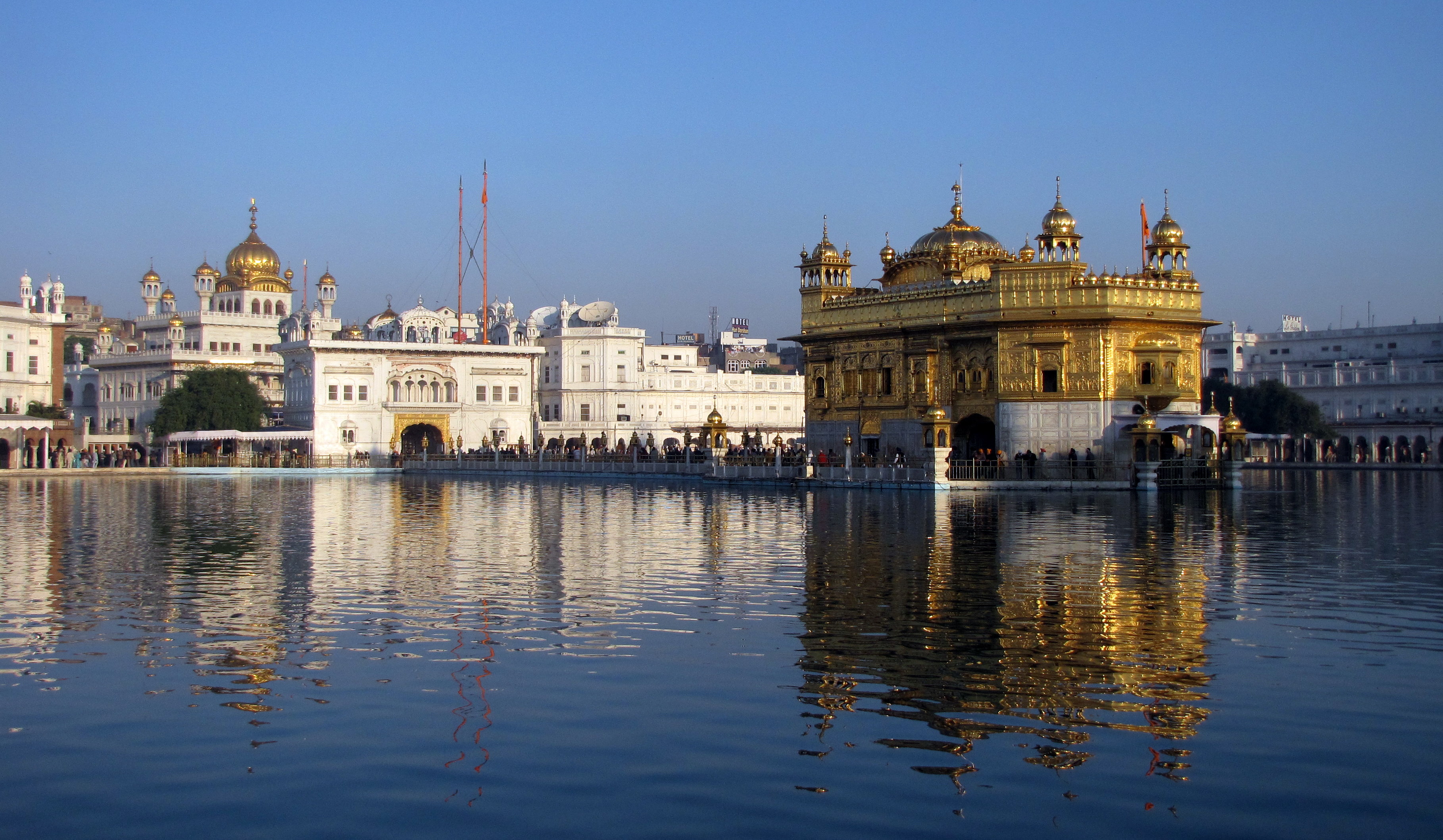
The Jathedar of Sri Akal Takht Sahib has declared Punjab Chief Minister Bhagwant Mann as ‘Khalsa Panth virodhi’ and ‘Guru Dokhi’ [1, 2].
This religious verdict represents a significant escalation in tensions between the Punjab state government and the highest temporal seat of Sikh authority. The labels signify that the leader is an opposer of the Sikh faith and anti-Guru, which can lead to widespread social and religious alienation within the state's majority population.
The decision followed a summons issued on June 29, 2024 [1], which required the presence of all Sikh MLAs and the Punjab Cabinet [1]. The verdict was reached after two forensic laboratories authenticated a controversial sacrilege video [1]. The Takht also raised objections regarding the state's anti-sacrilege law [1].
Jathedar Giani Kuldip Singh Gargaj said the term "Guru Dokhi" describes the Chief Minister [2]. This declaration marks a rare instance of the religious authority formally condemning a sitting head of government in such specific theological terms.
Mann has rejected the allegations and the resulting verdict. He said the situation is "propaganda against me" [2]. Earlier, in response to the summons from the authorities in Amritsar, Mann said he "will go barefoot" [3].
The conflict centers on the handling of sacrilege, a deeply sensitive issue in Punjab. The authentication of the video by forensic experts served as the primary catalyst for the Jathedar's decision to issue the decree against the Chief Minister [1].
““Guru Dokhi””
The declaration of a sitting Chief Minister as 'Panth-opposer' by the Akal Takht creates a precarious political situation in Punjab. Because the Akal Takht holds immense moral and spiritual authority over the Sikh community, such a verdict can erode a leader's legitimacy regardless of their electoral mandate, potentially fueling civil unrest or providing political leverage to opposition parties.