Major U.S. technology companies are investing billions of dollars into a new wave of artificial intelligence technology [1].
These financial reports signal a critical pivot in corporate strategy. The scale of spending indicates that the industry is betting its long-term growth on AI integration, which could reshape global markets and labor structures.
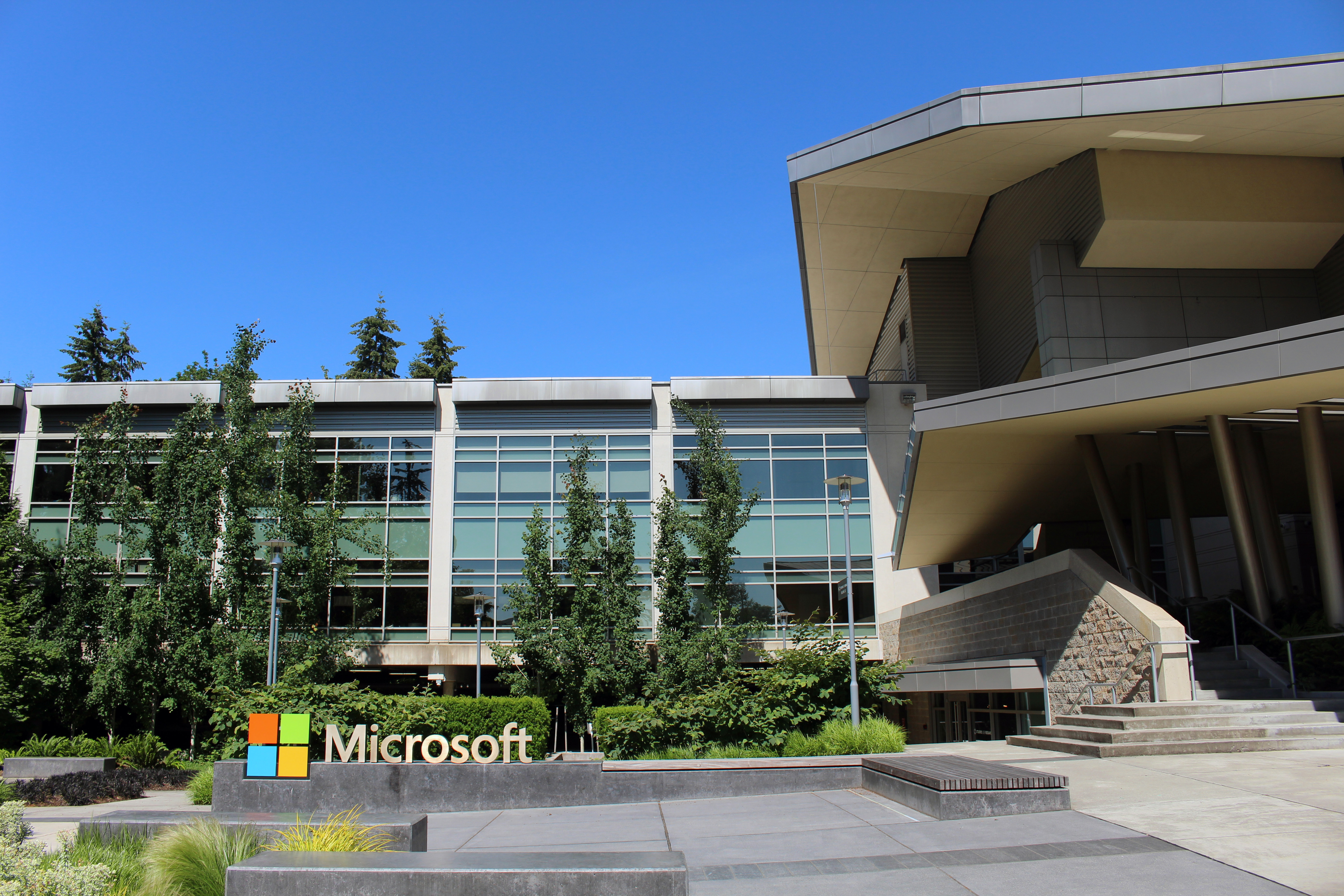
Recent earnings reports from Microsoft, Alphabet, Tesla, and Intel provide a window into how these firms are allocating capital [2]. The reports suggest that the race for AI dominance is no longer just about research and development, but about the massive infrastructure required to sustain these systems [3].
BBC News Technology said billions of dollars are being poured into a new wave of AI technology [1]. This capital influx is aimed at assessing how these investments impact overall company performance and broader market trends [2].
Investors are closely monitoring whether these high costs will lead to immediate revenue growth or if the returns on investment will take years to materialize. The reports from these tech giants serve as a benchmark for the rest of the sector, as other firms decide how much to risk on generative AI and machine learning [2].
While the financial data focuses on the current quarter, the trend reflects a broader shift in the U.S. tech landscape. The competition between the four major players—Microsoft, Alphabet, Tesla, and Intel—highlights a concentrated effort to control the underlying architecture of future computing [2].
“Billions of dollars are being poured into a new wave of AI technology.”
The concentrated investment by the largest U.S. tech firms suggests that AI has moved from an experimental feature to a core capital expenditure. This trend indicates a high-stakes environment where the cost of entry for competitive AI technology is becoming prohibitively expensive for smaller firms, potentially consolidating power among a few dominant players.


