
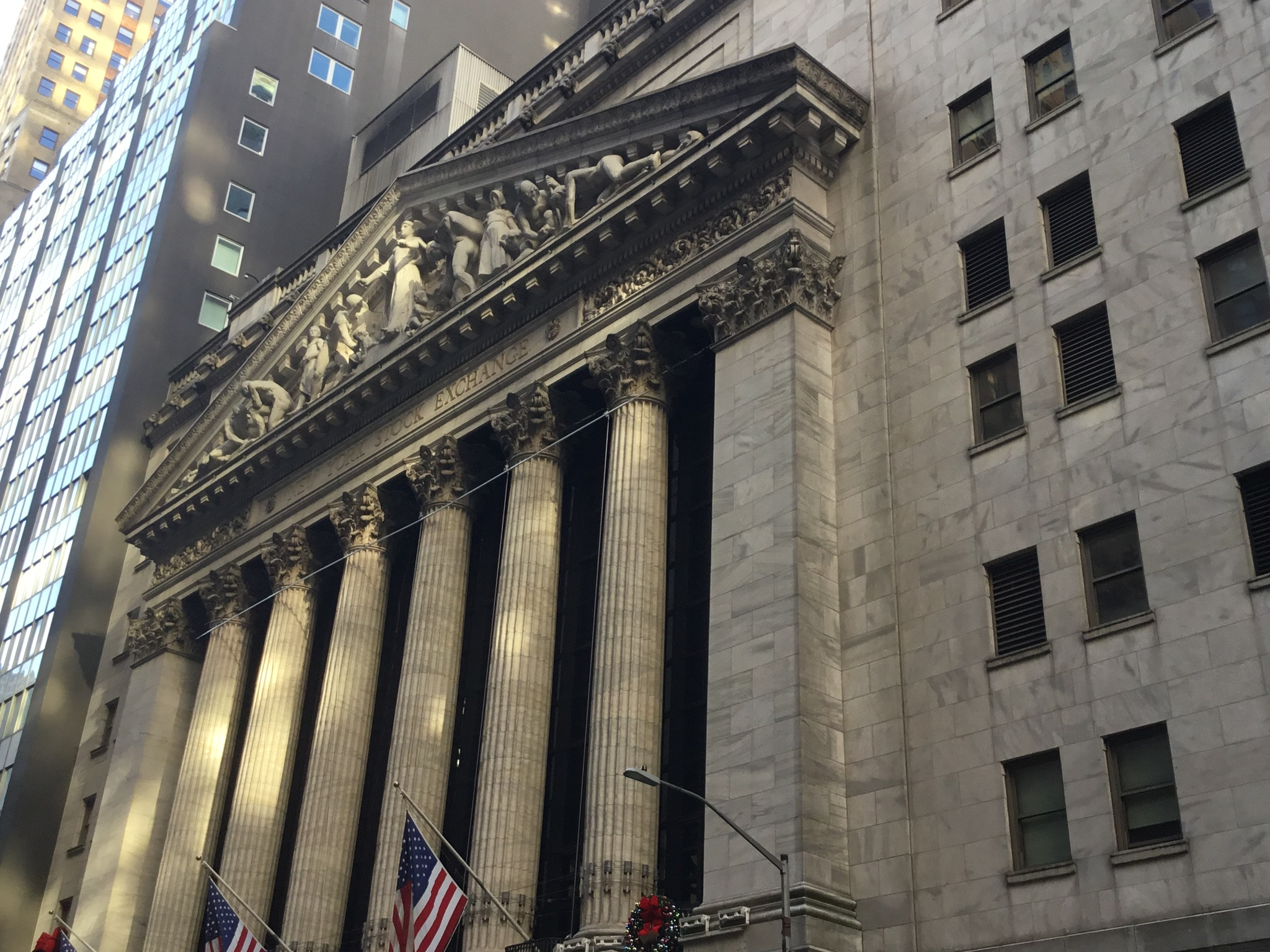
Binance launched a service on Monday allowing overseas customers to trade U.S. stocks and exchange-traded funds (ETFs) through its platform [1].
This move represents a significant pivot toward traditional finance for the world's largest centralized cryptocurrency exchange by trading volume [2]. By integrating equity markets into its ecosystem, Binance is attempting to transition from a niche digital asset platform into a comprehensive financial "super-app" [1].
The new offering provides non-U.S. users access to a vast array of securities. While reports on the exact number vary, the service provides access to between 7,000 [1] and 8,000 [3] U.S.-listed stocks and ETFs.
Beyond standard trading, the company announced plans to introduce a service called bStocks. This initiative will allow users to tokenize shares on the BNB Chain, effectively converting traditional equity into digital tokens [2]. This integration aims to bridge the gap between traditional stock ownership and blockchain-based asset management.
Some reports indicate that Binance partnered with Alpaca to build this multi-asset platform [4]. However, other primary reports on the launch do not mention a specific partnership with the brokerage firm [1].
The expansion is part of a broader strategy to capture a wider market of investors who prefer a single interface for both crypto and traditional assets. By offering tokenized equity products, Binance seeks to increase liquidity and accessibility for global investors who previously faced barriers to entering U.S. equity markets [1].
“Binance is attempting to transition from a niche digital asset platform into a comprehensive financial "super-app".”
The move signals a convergence of decentralized finance and traditional equity markets. By tokenizing shares, Binance is not just offering a brokerage service but is attempting to redefine how ownership of public companies is recorded and traded. This strategy puts the exchange in direct competition with both traditional global brokerages and emerging fintech apps, while testing the regulatory boundaries of tokenized securities on a public blockchain.


