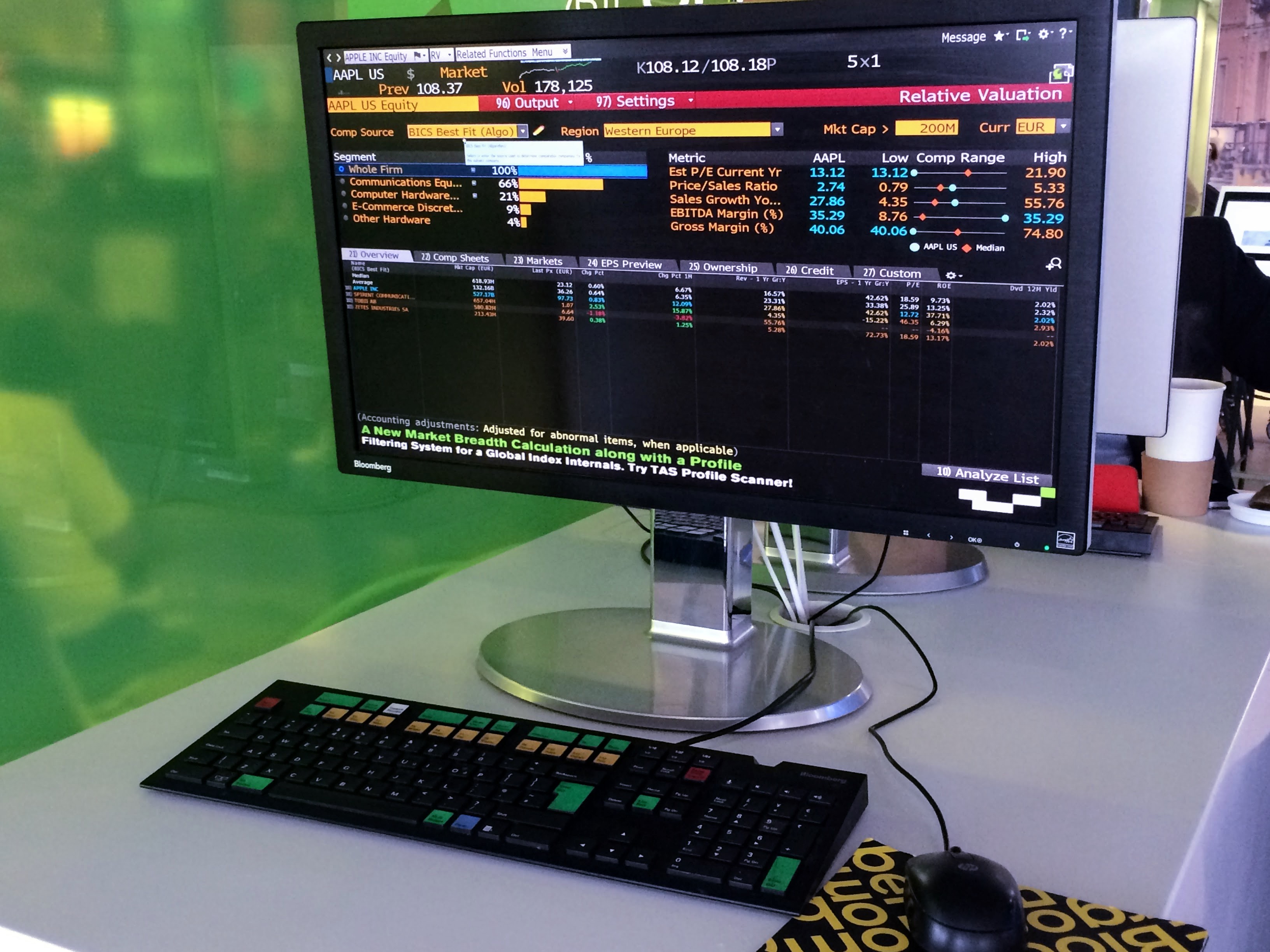
Bloomberg is implementing a new conversational AI interface called ASKB to augment the functionality of the Bloomberg Terminal [1, 2].
This update represents a shift in how financial professionals interact with one of the most critical pieces of financial data infrastructure globally. By integrating agentic AI, Bloomberg aims to redefine the investment process for users who rely on the platform for real-time data and analysis.
According to a company announcement, the ASKB interface is currently in beta [2]. Bloomberg said the new capabilities will redefine how financial professionals interact with the Terminal of the future to augment their entire investment process [2].
The Bloomberg Terminal has been a staple of the financial industry for approximately 30 years [3]. It remains a high-cost professional tool, with an annual subscription cost of $30,000 [3]. In contrast, some alternative AI subscriptions are priced at $200 per month [3].
While some reporting suggests a major overhaul of the system, Bloomberg describes the update as a roadmap of new capabilities that augment the existing Terminal [1, 2]. The platform is used by financial professionals in global hubs such as New York, London, and Hong Kong [1, 3].
The rollout of ASKB is part of a broader effort to integrate artificial intelligence into the professional services sector. The company is focusing on the conversational nature of the AI to allow users to query data more intuitively than through traditional Terminal commands.
Bloomberg's chief technology officer is said to be leading the implementation of these changes to ensure that the platform remains competitive against emerging AI tools [1].
“Bloomberg is implementing a new conversational AI interface called ASKB the functionality of the Bloomberg Terminal.”
The integration of conversational AI into the Bloomberg Terminal suggests a move toward 'agentic' AI, where the tool does not just provide data but actively assists in the process of investment analysis. For a platform that costs $30,000 annually, the addition of AI capabilities is necessary to justify the premium pricing against lower-cost, general-cost AI alternatives that are increasingly capable of financial data retrieval.

