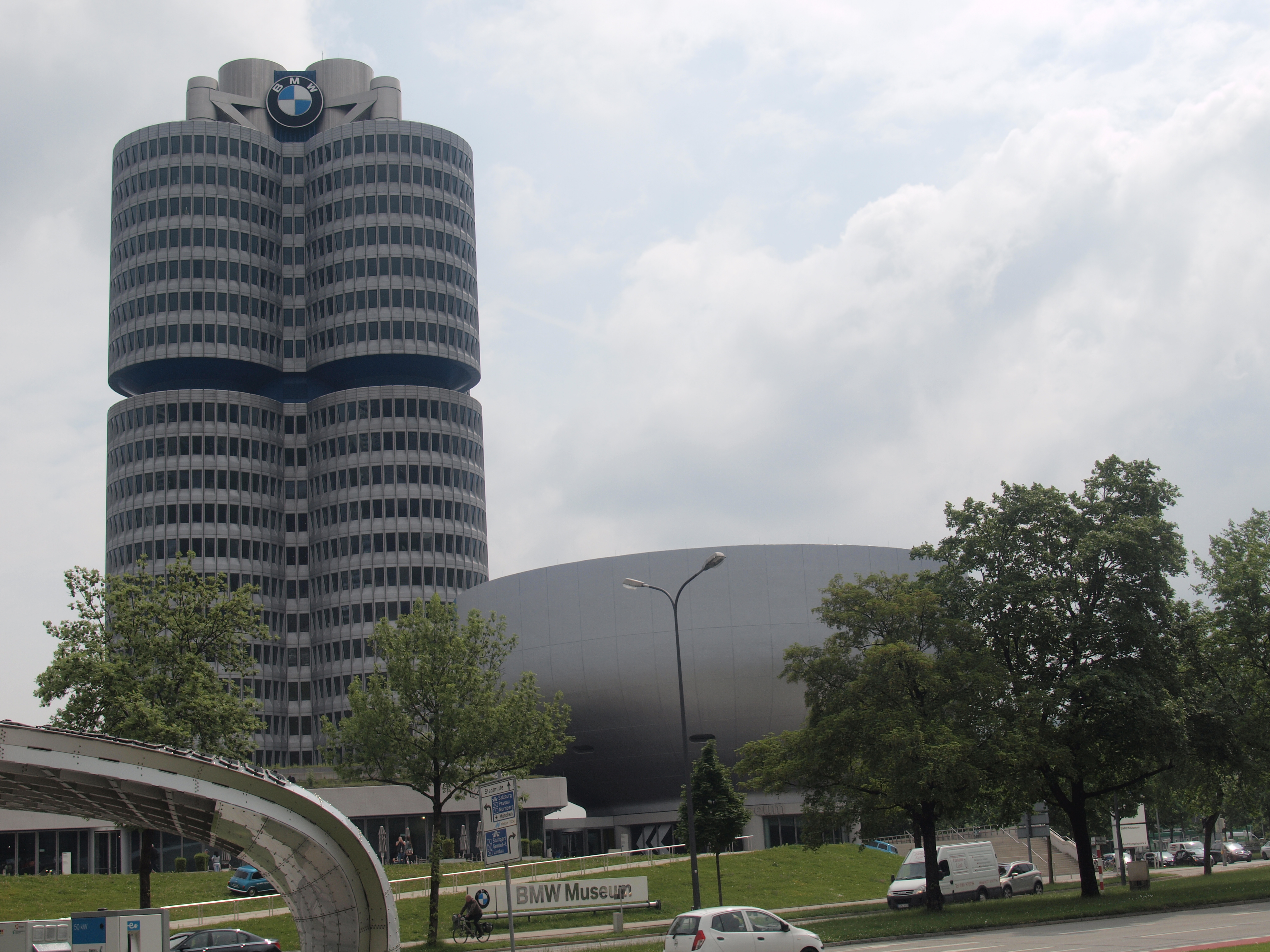
Bayerische Motoren Werke Aktiengesellschaft, known as BMW, is preparing a broad transformation program focused on streamlining its internal processes [1].
This initiative comes as the automotive industry faces intensifying pressure to reduce overhead and accelerate the transition to new manufacturing standards. By optimizing how it operates, BMW aims to maintain its competitive edge in a volatile global market.
Company executives said the plans were part of the highlights from the Q2 2026 earnings call [1, 2]. The program is designed to remove redundancies and improve the speed of execution across various departments. While specific details on the scale of the restructuring were not provided, the focus remains on organizational agility.
BMW said it is preparing a broad transformation program focused on streamlining processes [2]. This move signals a shift toward a leaner corporate structure to better manage costs and resource allocation.
The company is navigating a complex landscape where efficiency is as critical as innovation. The transformation program is expected to touch multiple areas of the business, from supply chain management, to administrative workflows. By refining these processes, the automaker hopes to increase its responsiveness to shifting consumer demands.
Industry analysts continue to monitor how these internal changes will impact the company's bottom line. The timing of the announcement suggests that BMW is prioritizing operational health as it enters the second half of the year [1].
“BMW said it is preparing a broad transformation program focused on streamlining processes.”
BMW's move toward a transformation program indicates a strategic pivot from pure growth to operational efficiency. In an era of high capital expenditure for electric vehicle development and software integration, streamlining processes allows the company to protect margins without sacrificing R&D. This suggests the automaker is bracing for potential economic headwinds by reducing structural waste.


