BNP Paribas projects the NSE Nifty index will finish the year at 25,500 [1].
This forecast signals a cautious but optimistic outlook for the Indian equity market. By identifying specific sectors and target levels, the firm provides a benchmark for investors navigating current macroeconomic volatility in South Asia.
Kunal Vohra, Head of India Equity Research at BNP Paribas, said the projection is based on stabilizing macroeconomic conditions. The firm believes these factors will ease inflation pressures and reduce the twin-deficit risks that often hamper India's market growth [2].
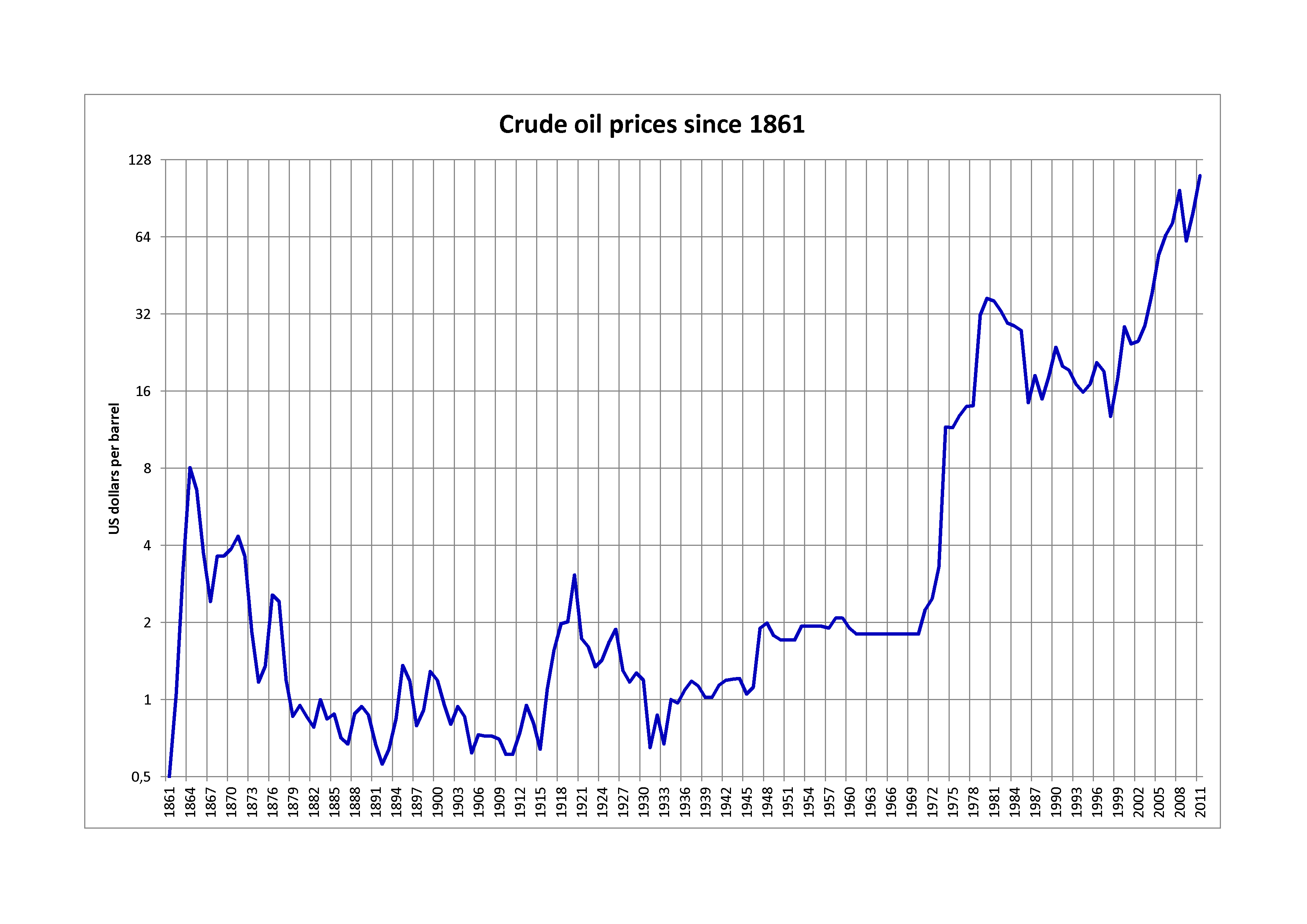
A primary driver for this outlook is the projected price of crude oil. BNP Paribas assumes oil will hover between $80 and $85 per barrel [2]. Because India imports a significant portion of its energy, lower oil prices typically reduce the current account deficit and lower input costs for domestic industries.
In addition to the broad index target, the firm highlighted specific sectors as attractive for investment. Vohra said that banks, fast-moving consumer goods (FMCG), and telecom stocks are positioned to outperform [1, 2]. These sectors are often seen as pillars of domestic consumption and infrastructure, making them resilient during periods of global instability.
The target for the Nifty index is set for the end of 2026 [1]. While the firm has adjusted its targets to account for various market shocks, the current projection reflects a belief that the Indian economy can maintain a steady growth trajectory if oil prices remain within the specified range [1, 2].
“BNP Paribas projects the NSE Nifty index will finish the year at 25,500”
This projection underscores the high sensitivity of the Indian stock market to global energy prices. By linking the Nifty target to a specific oil price range of $80–85, BNP Paribas highlights that India's equity performance is not solely dependent on internal policy, but remains tethered to external commodity shocks. The preference for banks and FMCG suggests a strategy focused on domestic consumption and financial stability over high-risk growth sectors.


