
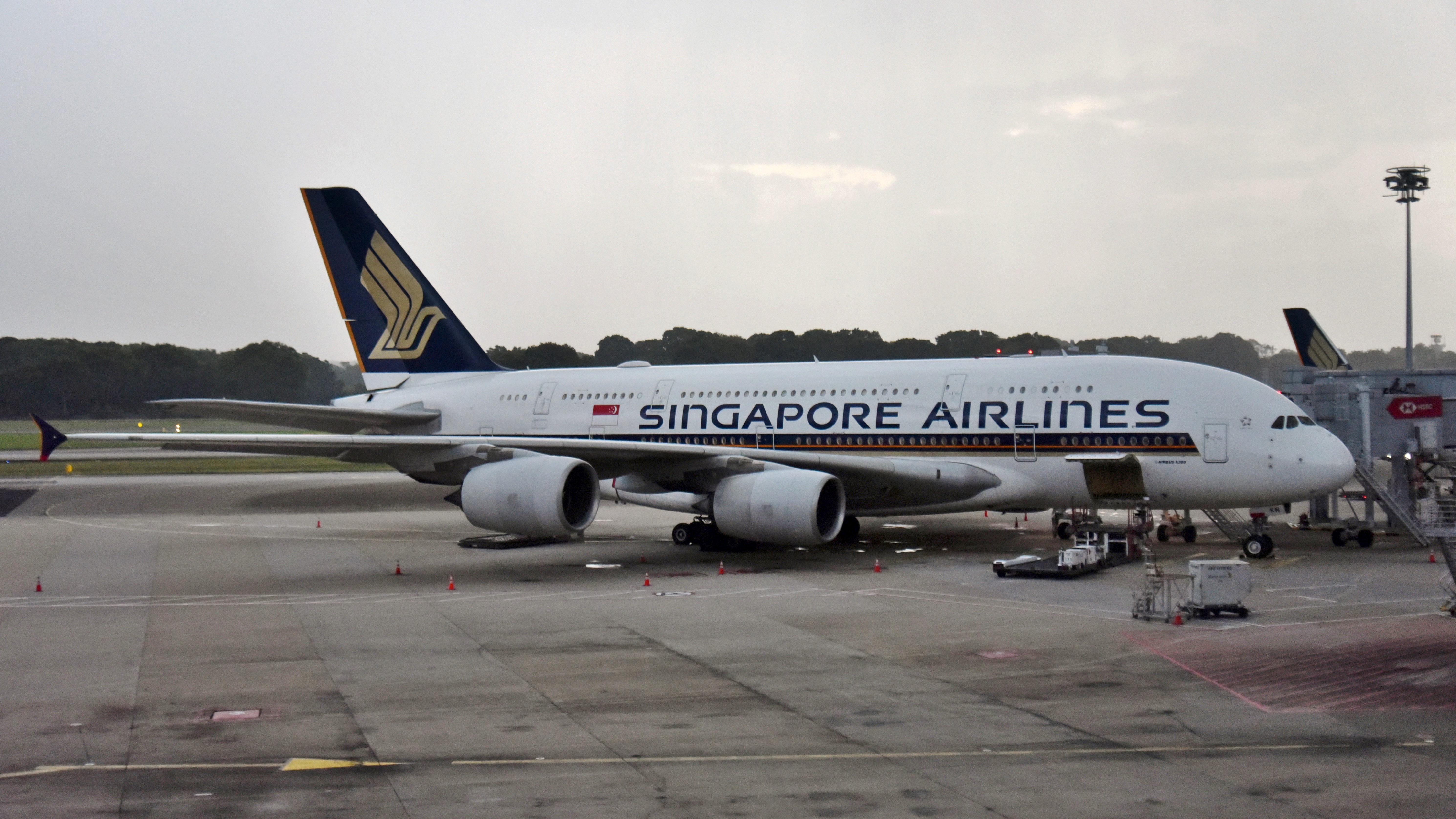
The Boeing 777X and Airbus A380 provide distinct advantages for passengers and airlines operating long-haul international flights [1].
These differences are critical as airlines attempt to balance the high costs of ultra-long-haul operations with the demand for passenger comfort. The choice between a massive double-decker aircraft and a more efficient twin-engine jet impacts ticket pricing and route availability.
Airports and carriers, including Emirates and Qatar Airways, utilize these aircraft to connect global hubs [3]. The Airbus A380 is recognized for its immense cabin space and luxury, often allowing for amenities that are difficult to fit into smaller airframes [1]. This capacity makes it a preferred choice for high-density routes where passenger volume is guaranteed.
In contrast, the Boeing 777X focuses on modern efficiency and airline economics [1]. By reducing operating costs and improving fuel efficiency, the 777X allows airlines to open routes that would be financially unsustainable for the larger A380 [2]. The 777X is designed to provide a balance of luxury and sustainability, catering to the modern shift toward leaner, more efficient long-distance travel [1].
Passenger experience varies significantly between the two. The A380 offers a quieter, more spacious environment due to its size [1]. Meanwhile, the 777X aims to modernize the long-haul experience through updated cabin technology and improved fuel performance [2].
Airline operators must navigate these trade-offs while considering external factors, such as airspace closures and regional restrictions, which can affect the viability of ultra-long-haul flights [3]. The decision to deploy one aircraft over the other often depends on whether the priority is maximizing luxury or optimizing the bottom line [1].
“The Airbus A380 is recognized for its immense cabin space and luxury.”
The competition between the Boeing 777X and Airbus A380 reflects a broader industry shift. While the A380 represents the peak of passenger capacity and luxury, the 777X signifies a move toward economic sustainability and operational flexibility. As fuel costs and environmental concerns rise, airlines are likely to favor efficiency over sheer size, potentially limiting the future use of ultra-large aircraft on all but the most profitable routes.

'%2F%3E%0A%20%20%20%20%3Crect%20width%3D'1600'%20height%3D'900'%20fill%3D'url(%23v)'%2F%3E%0A%20%20%20%20%3Cg%20opacity%3D'0.08'%20fill%3D'%23ffffff'%3E%0A%20%20%20%20%20%20%3Ccircle%20cx%3D'1420'%20cy%3D'180'%20r%3D'220'%2F%3E%0A%20%20%20%20%20%20%3Ccircle%20cx%3D'1500'%20cy%3D'760'%20r%3D'120'%2F%3E%0A%20%20%20%20%3C%2Fg%3E%0A%20%20%20%20%3Cline%20x1%3D'80'%20y1%3D'172'%20x2%3D'220'%20y2%3D'172'%20stroke%3D'%23ffffff'%20stroke-width%3D'3'%20stroke-opacity%3D'0.6'%2F%3E%0A%20%20%20%20%3Ctext%20x%3D'80'%20y%3D'140'%20font-family%3D'Inter%2C%20-apple-system%2C%20Helvetica%2C%20sans-serif'%20font-weight%3D'700'%20font-size%3D'28'%20fill%3D'%23ffffff'%20letter-spacing%3D'6'%3EHANNA%20%C2%B7%20NEWS%3C%2Ftext%3E%0A%20%20%20%20%3Ctext%20x%3D'80'%20y%3D'230'%20font-family%3D'Inter%2C%20-apple-system%2C%20Helvetica%2C%20sans-serif'%20font-weight%3D'600'%20font-size%3D'40'%20fill%3D'%23ffffffb3'%20letter-spacing%3D'4'%3EBUSINESS%3C%2Ftext%3E%0A%20%20%20%20%3Ctext%20x%3D'80'%20y%3D'694'%20font-family%3D'Playfair%20Display%2C%20Georgia%2C%20serif'%20font-weight%3D'800'%20font-size%3D'110'%20fill%3D'%23ffffff'%20letter-spacing%3D'-1'%3EIndia%20Raises%20Domestic%20LPG%3C%2Ftext%3E%3Ctext%20x%3D'80'%20y%3D'820'%20font-family%3D'Playfair%20Display%2C%20Georgia%2C%20serif'%20font-weight%3D'800'%20font-size%3D'110'%20fill%3D'%23ffffff'%20letter-spacing%3D'-1'%3ECylinder%20Prices%20by%20Rs%2029%3C%2Ftext%3E%0A%20%20%20%20%3Ctext%20x%3D'80'%20y%3D'870'%20font-family%3D'Inter%2C%20-apple-system%2C%20Helvetica%2C%20sans-serif'%20font-weight%3D'500'%20font-size%3D'22'%20fill%3D'%23ffffff66'%20letter-spacing%3D'2'%3Enews.hanna-ai.com%3C%2Ftext%3E%0A%20%20%3C%2Fsvg%3E)

