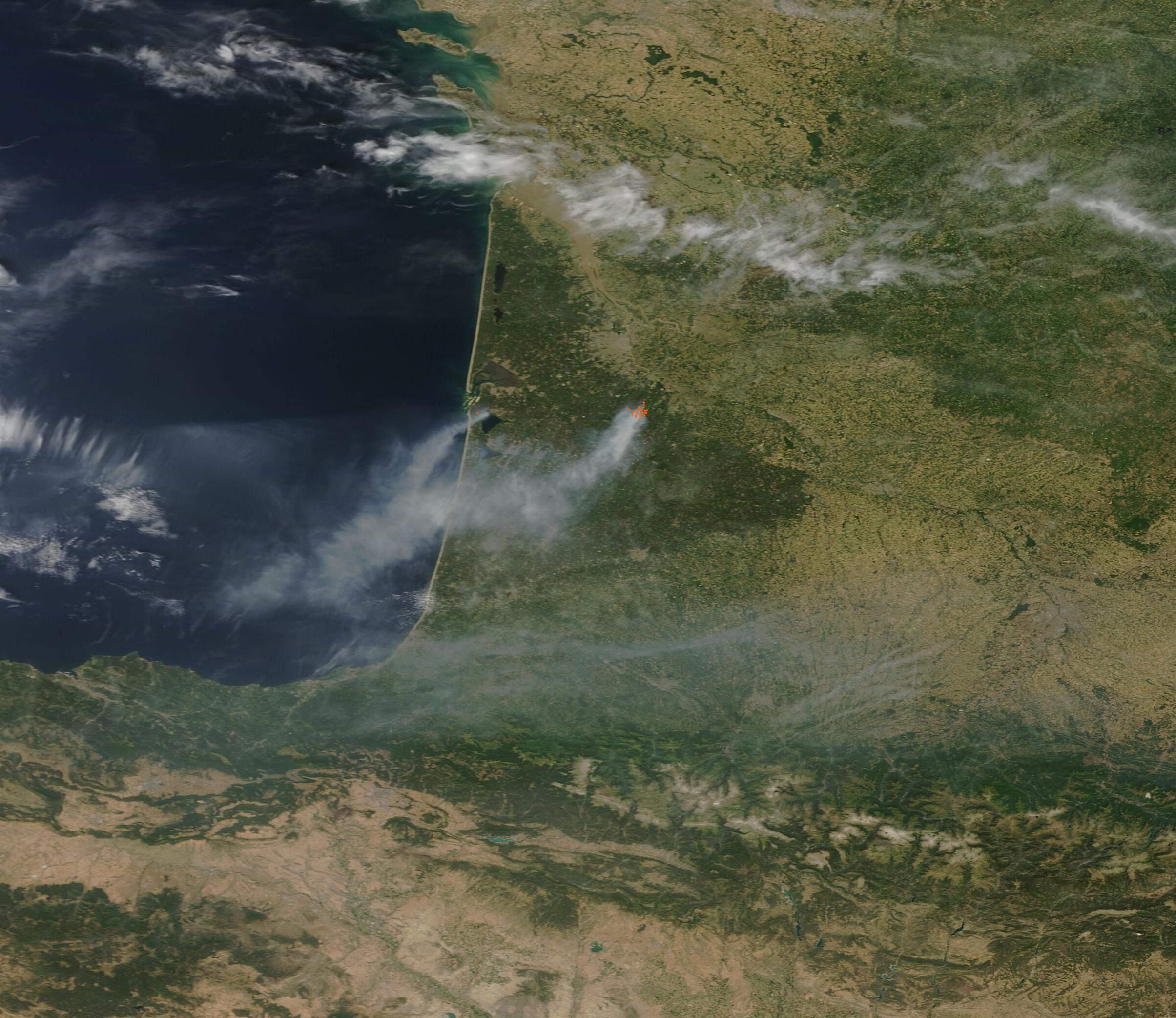
A massive wildfire west of Bordeaux forced the evacuation of thousands of residents on Saturday, July 25, 2026 [4].
The scale of the displacement underscores the growing vulnerability of southwestern France to extreme weather. With fires threatening critical infrastructure and residential hubs, the event highlights the immediate risk that combined heatwaves and high winds pose to densely populated coastal and suburban regions.
French authorities, including the prefect of Gironde, coordinated the response as flames spread rapidly through the Gironde department. In the coastal resort area of Lège-Cap-Ferret, officials ordered an additional 4,000 people to evacuate [1]. This followed broader orders for thousands of residents in the suburbs of Bordeaux to leave their homes [3].
Firefighters battled the blaze as it moved toward the city of Bordeaux and its airport. The rapid spread was fueled by extreme heat and strong winds, conditions that made containment difficult for emergency crews. To ensure public safety, authorities said residents should "stay away" [2].
The scope of the crisis extends across the region. While some reports focus on the thousands displaced from the Bordeaux suburbs [3], other data indicates that more than 250,000 people have been evacuated across southwest France due to the ongoing wildfires [2].
Emergency services remain on the ground to prevent the fire from reaching further urban centers. The situation has disrupted local activity and required a significant mobilization of police and firefighting resources to manage the evacuation routes and protect the coastline.
“"stay away"”
The intersection of extreme heat and wind in the Gironde department has transformed a localized fire into a regional crisis. The scale of evacuations—ranging from thousands in specific suburbs to over 250,000 across the southwest—suggests a systemic struggle to contain wildfires as climate patterns shift. The threat to the Bordeaux airport demonstrates that these fires are no longer confined to rural forests but are directly impacting critical economic and transport infrastructure.