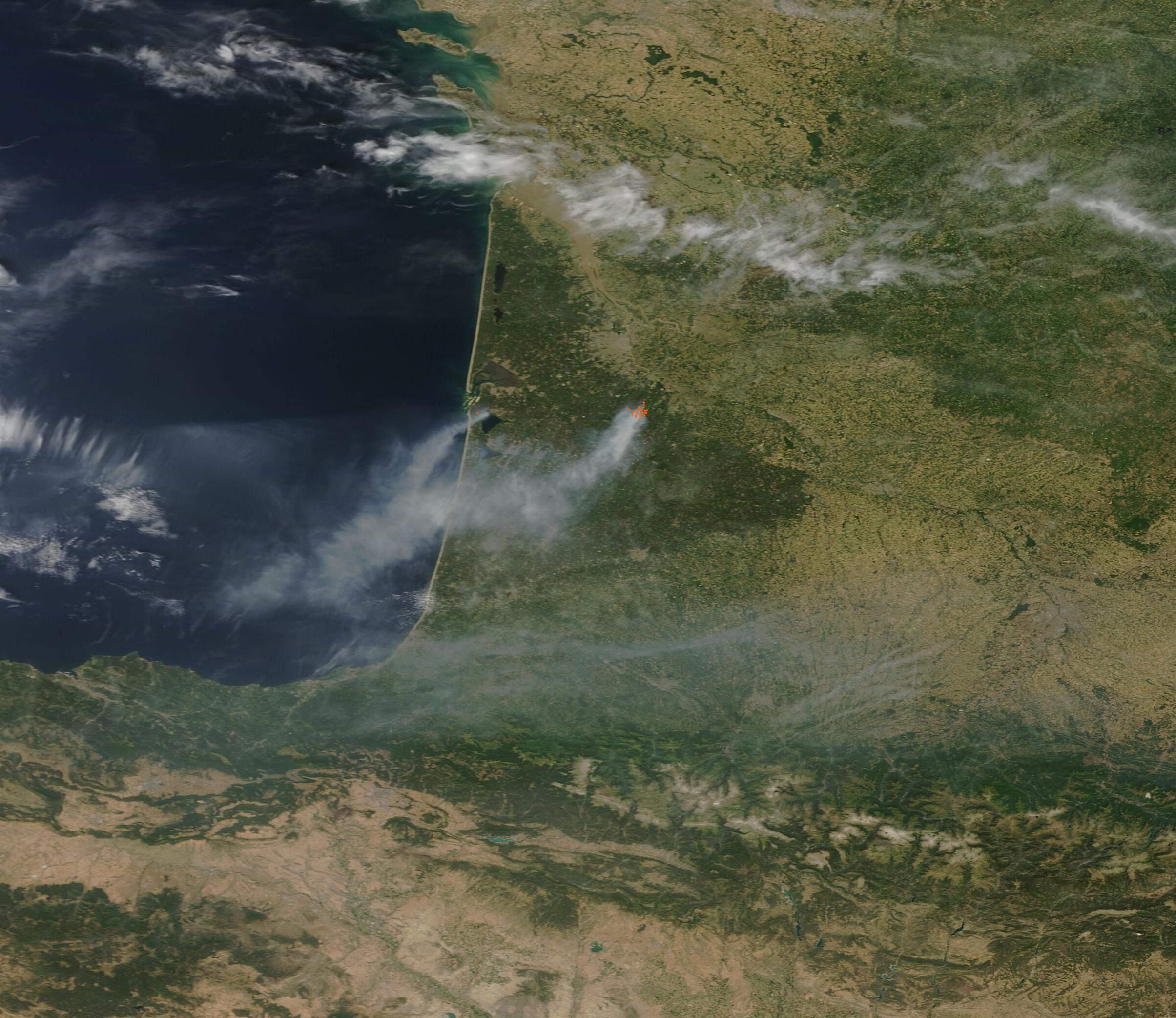
French gendarmes are patrolling evacuated neighborhoods around Bordeaux to deter burglaries while residents flee active wildfires [1, 2].
The deployment addresses a critical security gap created when large-scale emergency evacuations leave thousands of homes unoccupied and vulnerable to looters. As residents prioritize their lives over property, the state is stepping in to ensure that fleeing the flames does not result in the loss of personal belongings to crime.
Security forces have been active for several days, with reports intensifying as of July 26 [1, 2]. The patrols are focused on more than 10 communes that were evacuated in the Gironde department of Southwest France [2]. These measures come as the region grapples with a devastating fire season that has already scorched 42,000 hectares in Gironde [3].
The scale of the displacement is significant, with 220,000 people forced from their homes in the Gironde area [3]. The necessity of these patrols is underscored by the volatility of the situation, where the primary focus of the state remains the safety of the population and the containment of the blazes.
While the Bordeaux region faces the most severe crisis, other parts of France have also dealt with significant fire damage this season. In the Pyrénées-Orientales, flames have ravaged 4,500 hectares [4], and nearly 300 hectares of vegetation have burned in the Lot department [5].
Local authorities are maintaining a high presence in the evacuated zones to provide a visible deterrent. The gendarmes are monitoring the deserted streets of the affected communes to prevent intruders from entering abandoned residences [1, 2].
“French gendarmes are patrolling evacuated neighborhoods around Bordeaux to deter burglaries.”
The mobilization of the Gendarmerie highlights the secondary security risks inherent in climate-driven disasters. When mass evacuations occur, the sudden creation of 'ghost towns' often attracts opportunistic crime, requiring the government to pivot military-police resources from firefighting support to urban security to maintain public order and trust during a humanitarian crisis.


