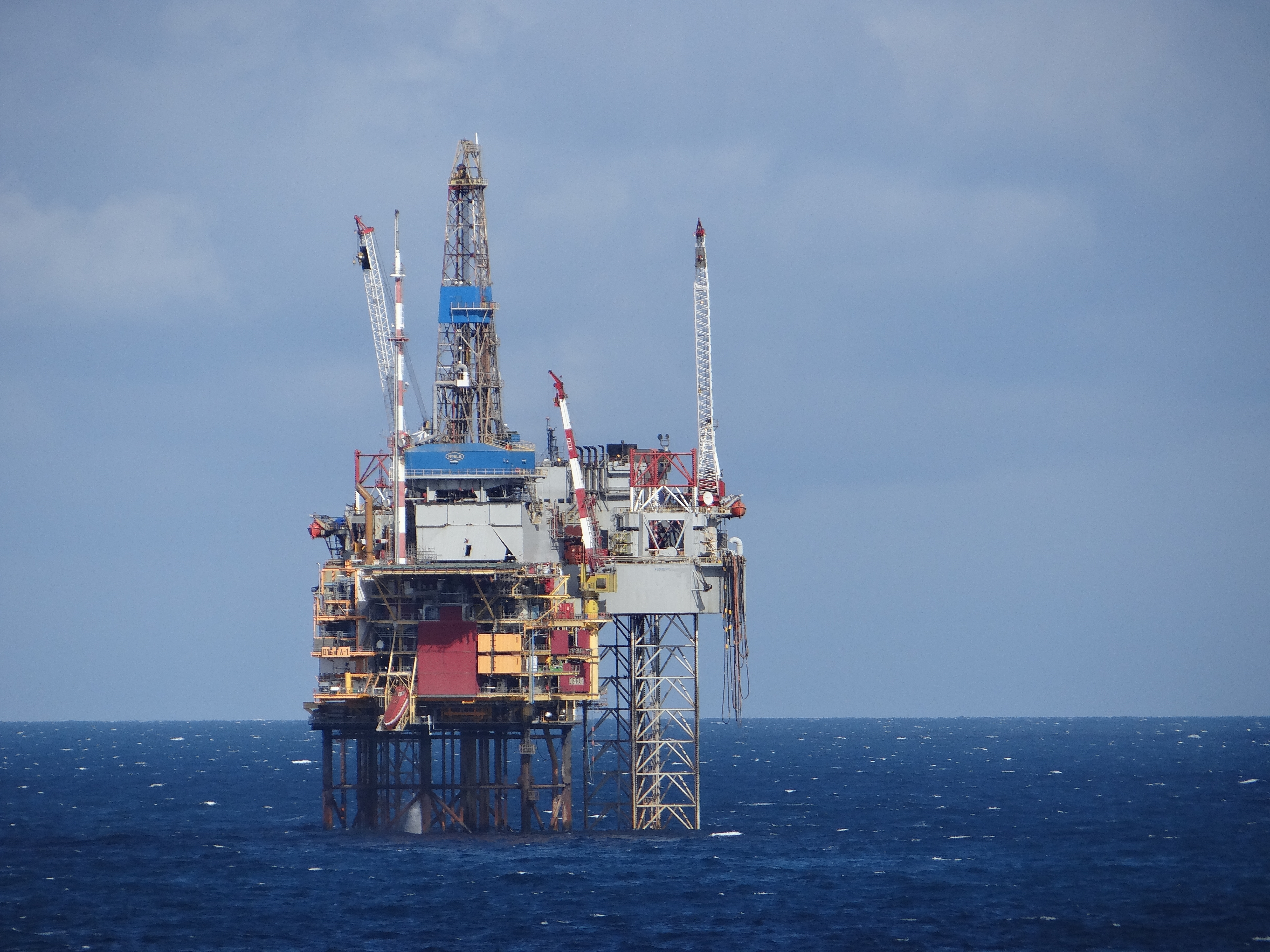
BP announced Friday that it will put its North Sea oil and gas business up for sale [1].
The move signals a major strategic shift for the British energy giant as it navigates a volatile global energy market and increasing financial pressures. By exiting the UK Continental Shelf, BP aims to streamline its operations and improve overall profitability [2].
Company officials said the decision comes in response to higher windfall taxes and the instability of energy prices. The sale is part of a broader restructuring effort led by the company's leadership to overhaul its portfolio and reduce exposure to high-cost environments [3].
BP has maintained a presence in the North Sea for approximately 60 years [4]. This exit ends six decades of production in a region that has long been a cornerstone of the company's upstream operations [5].
The company did not specify a timeline for the completion of the sale or the expected valuation of the assets. However, the decision reflects a growing trend among major energy firms to divest from mature basins in favor of more lucrative or sustainable ventures [6].
While the company focuses on its internal restructuring, the move occurs as the UK government faces its own dilemma regarding the future of drilling licenses and energy security [7].
“BP announced Friday that it will put its North Sea oil and gas business up for sale”
BP's departure from the North Sea highlights the tension between traditional fossil fuel extraction and the economic pressures of the energy transition. The combination of windfall taxes and market volatility is making mature fields less attractive to supermajors, likely paving the way for smaller, specialized operators to take over aging infrastructure.