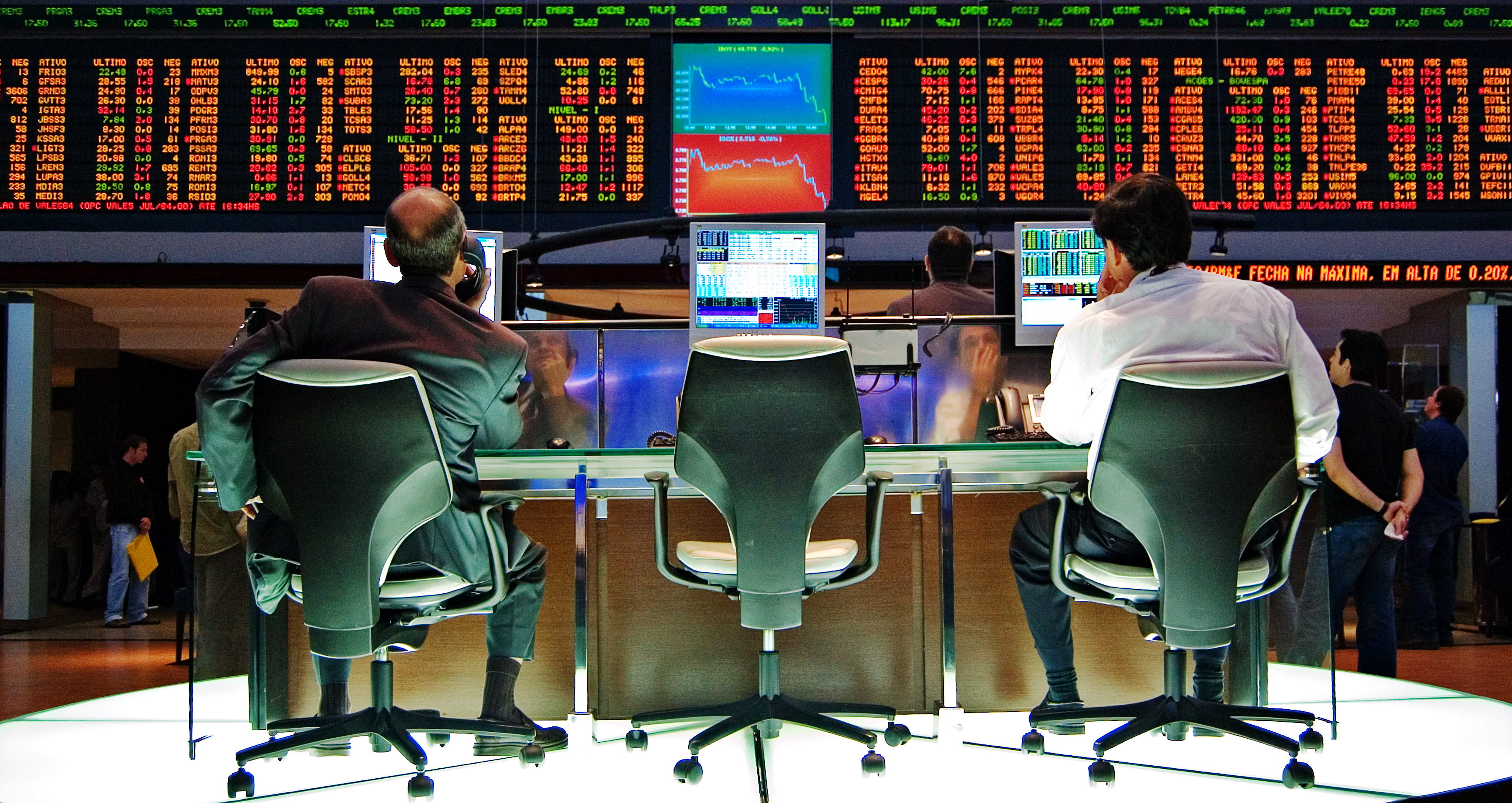
The Ibovespa index closed higher on Friday, July 31, after technical problems caused a two-hour delay and a shortened trading session at B3 [1].
System failures at the Brazilian stock exchange disrupt the flow of capital and create volatility for investors who rely on real-time execution. Such glitches can lead to cautious trading patterns or erratic price swings as participants react to the lack of liquidity.
The trading session was delayed by two hours [1]. Despite the disruption, the Ibovespa rose by almost 0.5% [1]. The shortened day forced market participants to condense their activity into a tighter window, a situation that often increases pressure on the remaining trading hours.
Reports on the currency market for the day are conflicting. One source said the dollar rose 0.13% to close at R$5.06 [1]. However, other reports indicated that the dollar ceded during the same period [2]. This discrepancy highlights the volatility and reporting challenges that occur during technical malfunctions at a national exchange.
B3 is the primary hub for equity and derivative trading in Brazil. When technical problems occur on the trading floor in São Paulo, the impact is felt across the broader financial landscape, affecting both local institutional investors, and international portfolios.
“The Ibovespa rose by almost 0.5%”
The technical failure at B3 underscores the vulnerability of centralized financial infrastructure to systemic glitches. While the market ended the session in positive territory, the conflicting reports on the dollar's movement suggest that the delay may have obscured a clear price discovery process, potentially leaving traders with fragmented data during the recovery.


