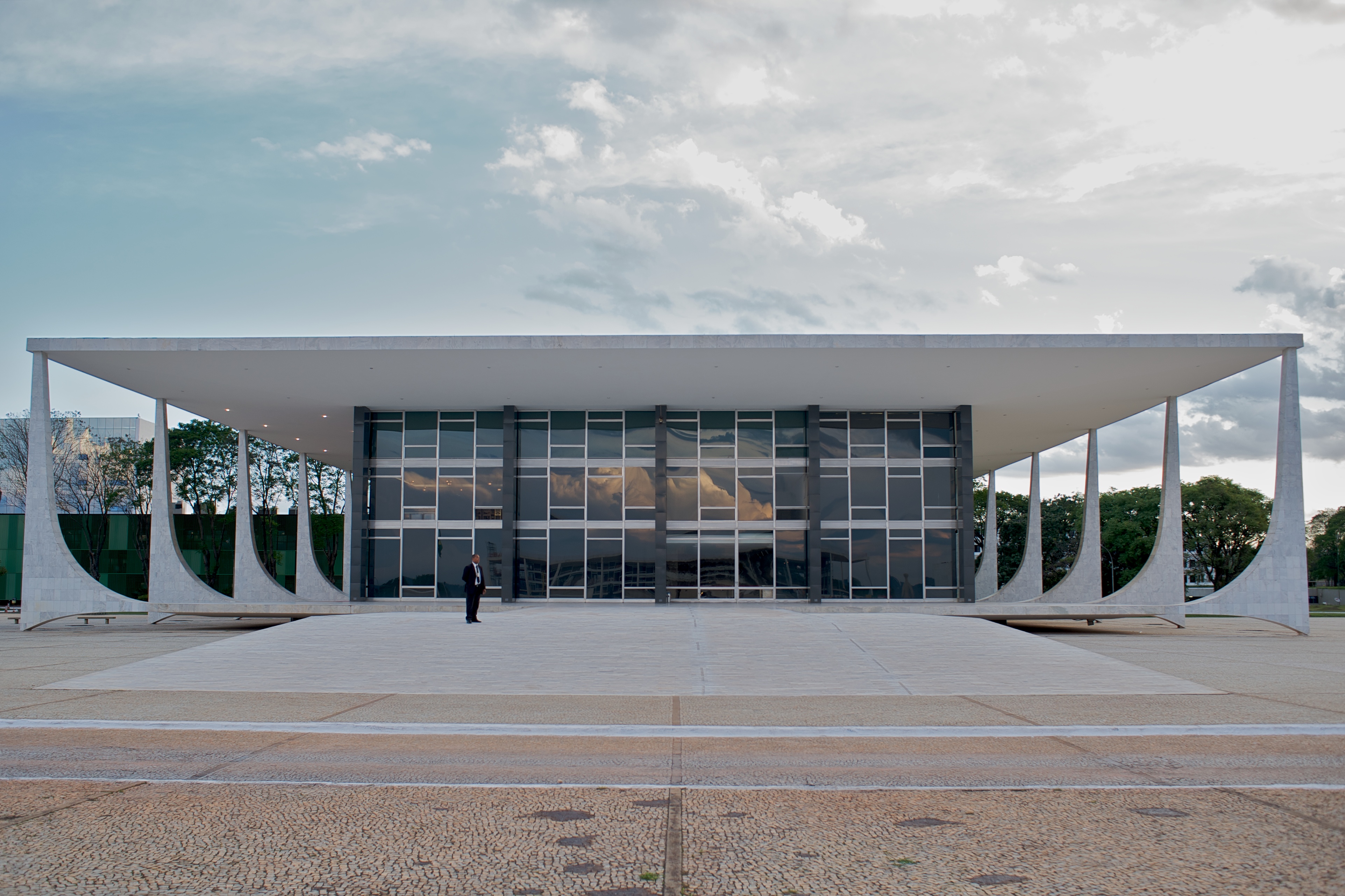
Brazil's National Council of Justice (CNJ) is voting Tuesday to regulate the end of compulsory retirement as a disciplinary sanction for magistrates [1].
The move targets a perceived loophole in the judicial disciplinary system where compulsory retirement was viewed as a penalty that did not effectively punish judges [3]. By removing this option, the council aims to ensure that judicial misconduct carries more tangible consequences.
The process follows a decision by the Supreme Court (STF) on May 26, 2026 [3]. The court determined that the practice of forced retirement with pay failed to serve as an adequate deterrent or punishment for legal professionals who commit serious infractions.
Edson Fachin said the council must regulate the application of the decision that extinguished compulsory retirement as the maximum penalty for magistrates within 30 days [2]. This regulatory window is intended to align the CNJ's internal rules with the STF's mandate by the end of July 2026 [2].
Under the new framework, the CNJ will replace the retirement sanction with more rigid rules regarding availability. This shift ensures that judges facing disciplinary action are not simply granted a paid retirement while avoiding professional accountability.
Cristiano Beraldo said the change will bring more effectiveness to the judicial disciplinary system [1]. The voting session in Brasília on June 23, 2026, marks the final step in implementing the court's directive [1].
Critics of the previous system argued that compulsory retirement functioned as a reward rather than a punishment. The new regulations seek to close this gap by ensuring that sanctions are proportional to the gravity of the misconduct, and that the public interest in judicial integrity is maintained.
““The compulsory retirement did not actually punish the magistrates.””
This regulatory shift represents a significant move toward judicial accountability in Brazil. By eliminating a 'punishment' that allowed judges to retain their salaries and benefits while being removed from office, the Brazilian judiciary is attempting to align its internal discipline with broader public expectations of transparency and justice.


![[Severe Winter Storms and Flooding] Canadian, OK, January 21, 2007 -- FEMA damage assessment team member Gary Grabow gathers information from a resident affected by a January ice storm that left appro](https://upload.wikimedia.org/wikipedia/commons/7/72/%28Severe_Winter_Storms_and_Flooding%29_Canadian%2C_OK%2C_January_21%2C_2007_--_FEMA_damage_assessment_team_member_Gary_Grabow_gathers_information_from_a_resident_affected_by_a_January_ice_st_-_DPLA_-_69a592f565e0e541340f330fdb874b62.jpg)