
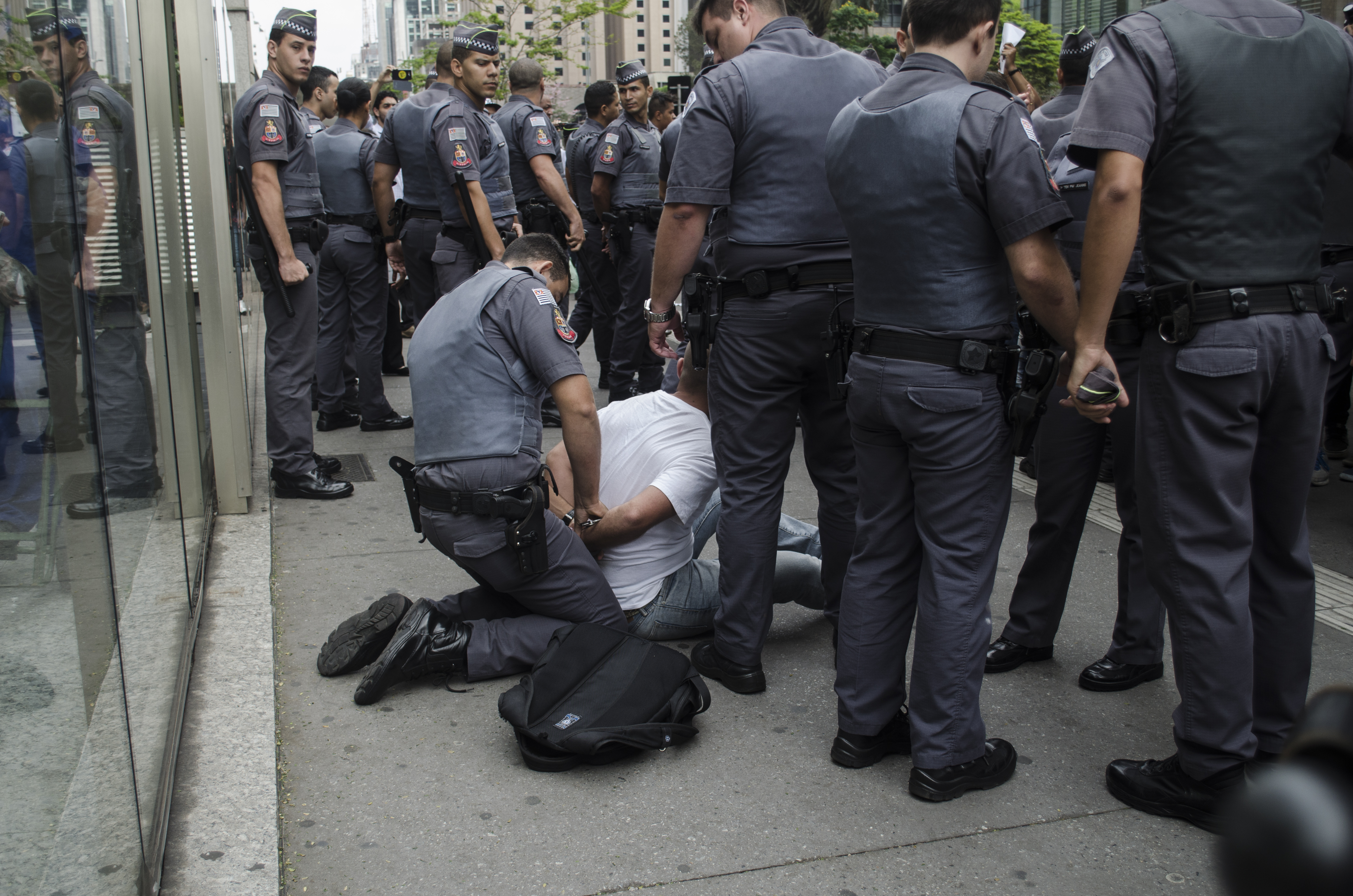
Rio de Janeiro civil police and federal agents arrested at least 20 people on Wednesday, May 17, during a crackdown on the Comando Vermelho [1], [2].
This operation targets the financial infrastructure of one of Brazil's most powerful criminal organizations. By dismantling the money-laundering networks that fund gang expansion, authorities aim to degrade the group's ability to maintain territorial control and purchase weaponry.
The initiative, known as Operação Contenção, is a permanent police phase designed to stifle the growth of the Comando Vermelho (CV) [1], [3]. During the raids, officers seized forged documents and identified several shell companies used to disguise the origin of illicit funds [1], [3].
Investigators found that the financial arm of the organization moved more than R$ 435 million through money laundering schemes [3]. While some reports indicate the arrests were concentrated in the West Zone of Rio de Janeiro, other data suggests the operation extended across five states [2], [3].
Reports vary slightly on the total number of detainees. One source cited 20 arrests [1], while another indicated more than 20 suspects were taken into custody [2].
The police said the operation is part of a broader strategy to neutralize the economic power of the CV. The use of shell companies allowed the gang to integrate criminal proceeds into the legal economy, making the financial wing as critical to the organization as its armed militants [1], [3].
“The financial arm of the organization moved more than R$ 435 million through money laundering schemes.”
The focus on 'Operação Contenção' signals a shift toward financial warfare against Brazilian organized crime. By targeting shell companies and money laundering rather than focusing solely on street-level violence, the state is attempting to bankrupt the Comando Vermelho's operational capacity, which is necessary for its expansion into new territories.


